Inner Dharma is a writing project on martial arts and culture. Here you will find reflections on my training and research articles focused on historical writings on martial arts, especially Kashima-shinden Jikishinkage-ryū (opens in a new tab) kenjutsu and traditional internal martial arts. I also examine the philosophical and religious context of older martial traditions. Several monographs have resulted from this work — pointers to these works in print as well as excerpts from them are also provided here.
Essays and Articles
Mountain, Sword, and Mind
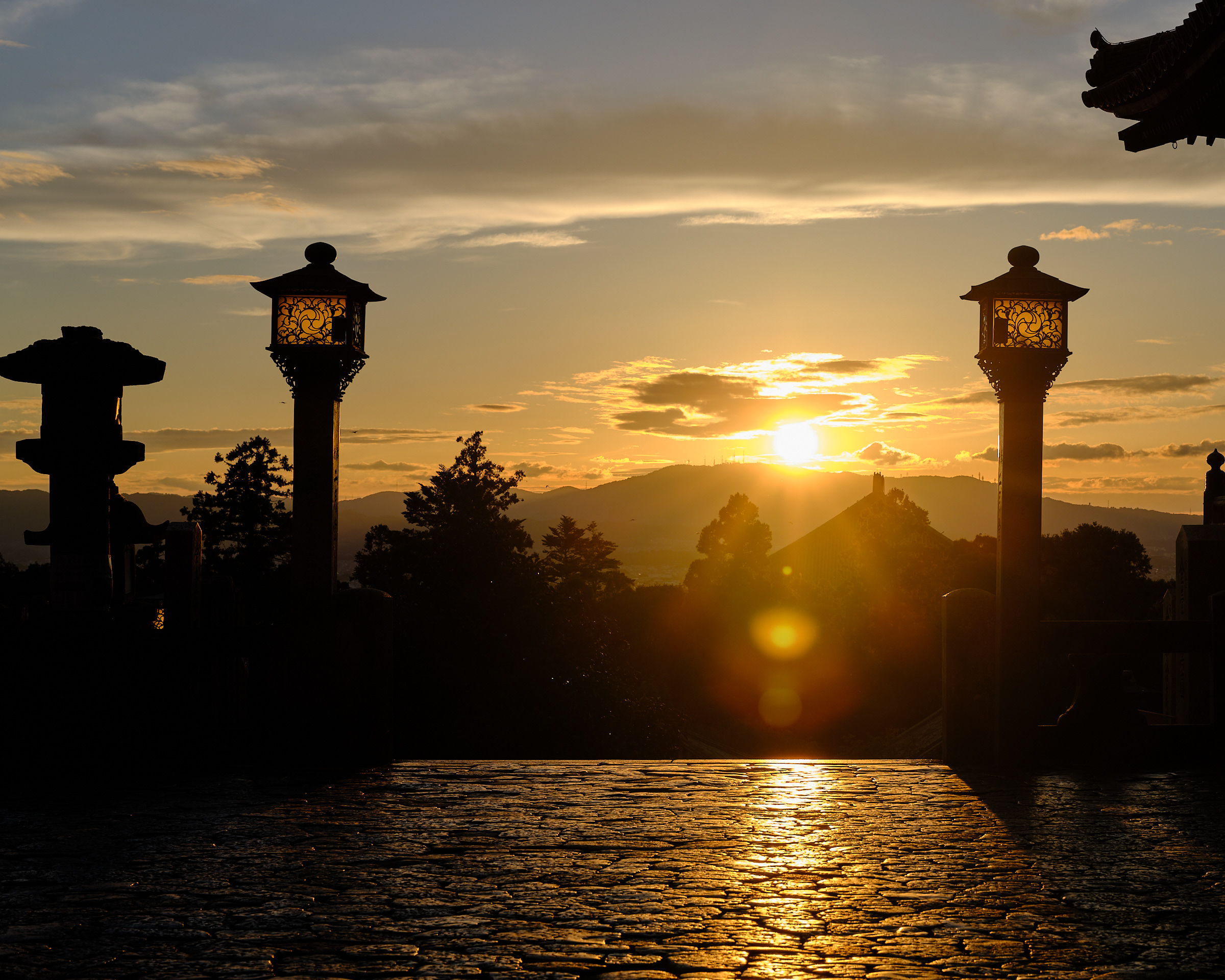
A two-volume work on the influence of Japanese mountain-centered religion on early martial traditions: Shugendō and Heihō, and Mikkyō, Zen, and Daoist Sources in Shinkage-ryū.
The Kenpō Ryakki of Kubota Sugane
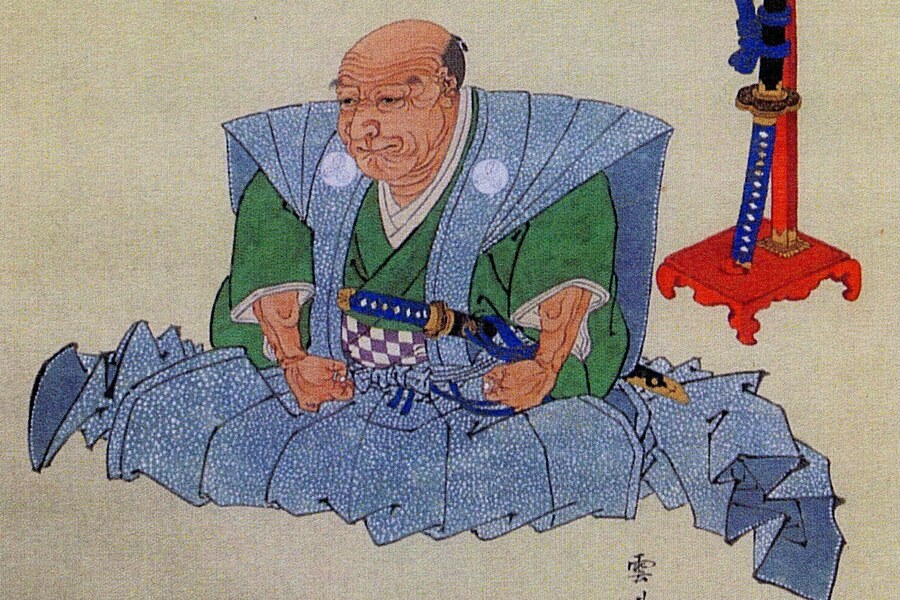
We provide a translation of eight technical sections detailed from the Kenpō ryakki of Kubota Sugane (1839), with an extended note on the nagamaki.
Kūkai’s Secret Key to the Heart Sūtra
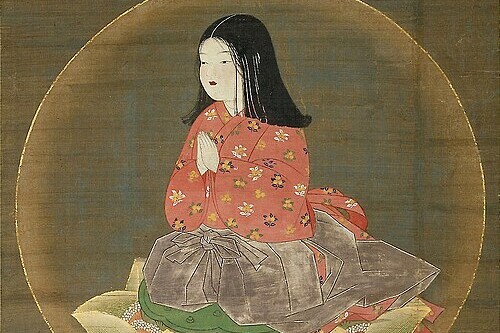
A working translation of Kūkai’s Hannya-shingyō hiken (般若心經祕鍵, 818) — the esoteric reading of the Heart Sūtra as the mantra-samādhi of Prajñā Bodhisattva, divided into five sections each keyed to a bodhisattva.
Haguro Shugendō
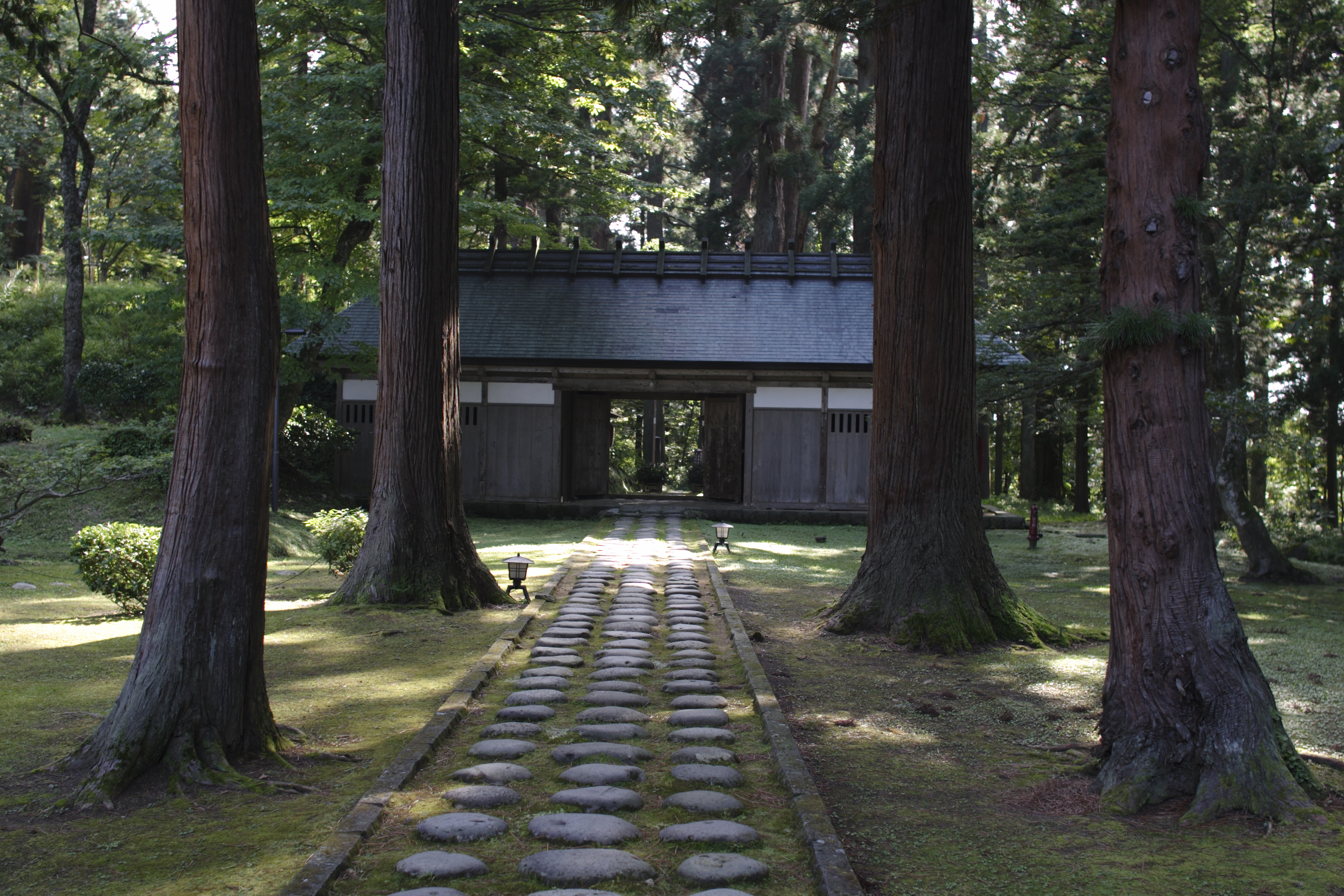
Haguro Shugendō, its Tengu and Gongen, and the Dewa Sanzan area. An excerpt from ‘Shugendō and Heihō’.
Yamada Ippūsai Mitsunori
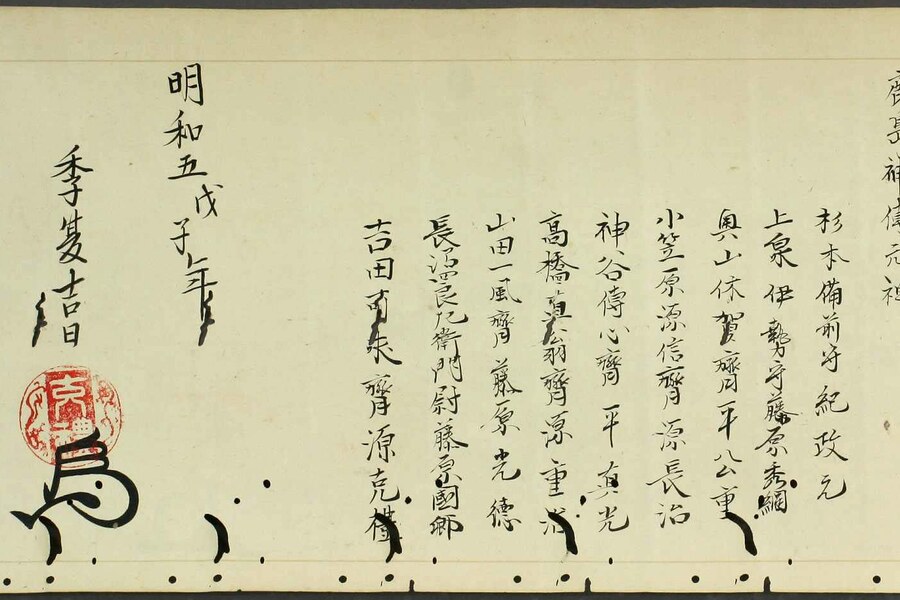
Yamada Ippūsai Mitsunori (山田一風斎光徳) studied Jikishin Seitō-ryū as a youth and then studied Yagyū Shinkage-ryū heihō in a faction of the Edo line of that art. Later in life he returned to his first training, and eventually inherited that line of practice.
Shinkage-ryū in Kyushu
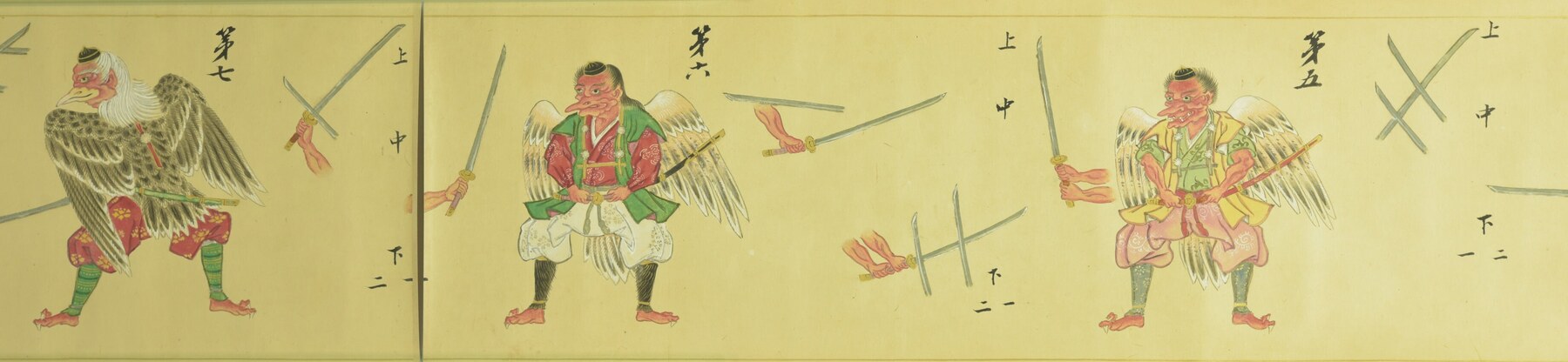
The Kyushu area Shinkage-ryū densho and the Tsuki no Shō of Yagyū Mitsuyoshi both provide descriptions of gokui and kuden level Shinkage-ryū teachings, the first in the form of makimono that list topics and the second in commentary by Mitsuyoshi.
The Shinkage-ryū Sotomono of Nabeshima Naotomo (1705)
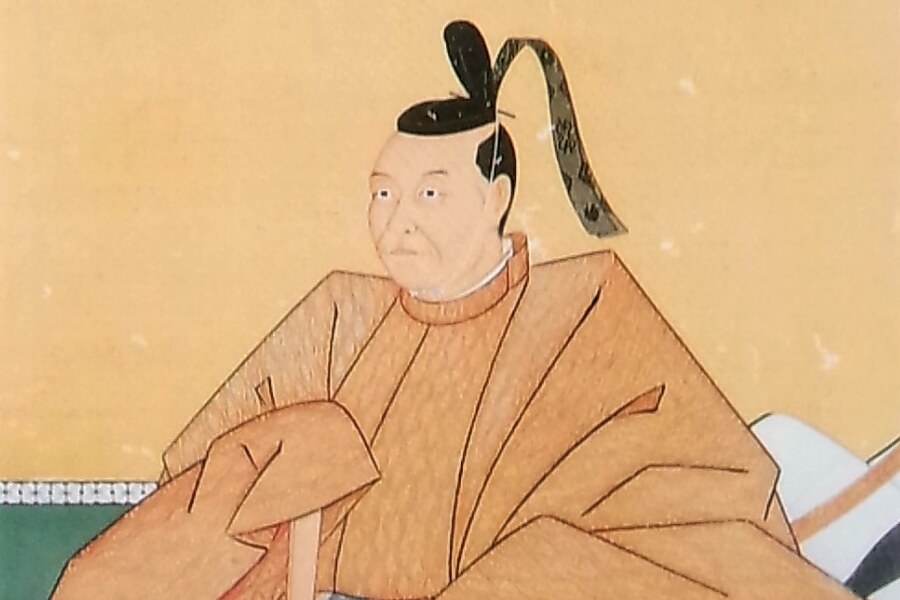
We provide a translation of a text on military strategy by Nabeshima Naotomo, as related to Yamazaki Jinzaemon in 1705 when Nabeshima was ninety years of age. From Fukui 1937’s multi-volume work on the Tokugawa.
Comparing the Heihō Zakki (1708) to the Mokuroku Kudensho (1764)
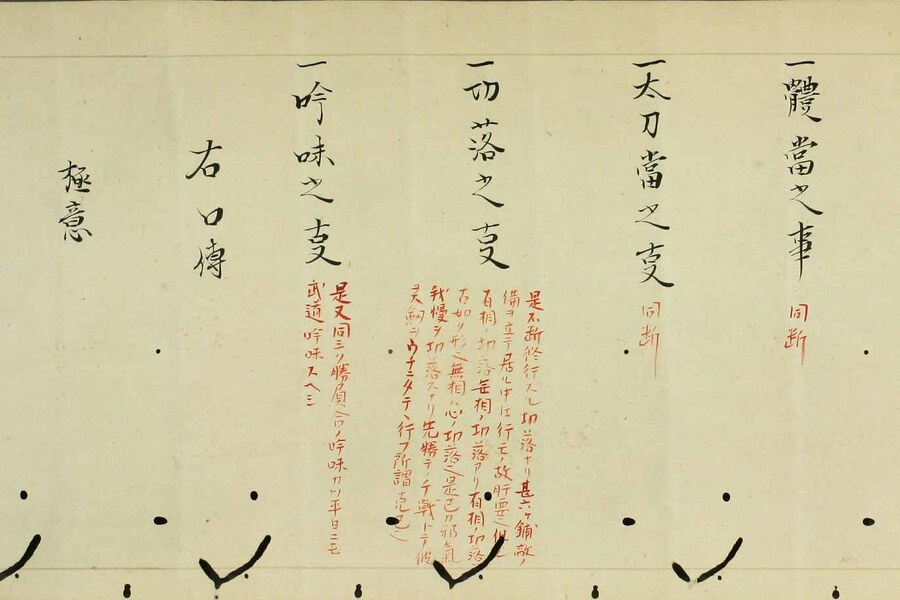
Summarizing Karukome’s analysis of the content of two Edo period Jikishinkage-ryū transmission documents.
Analysis of Jikishinkage-ryū Densho Commentary
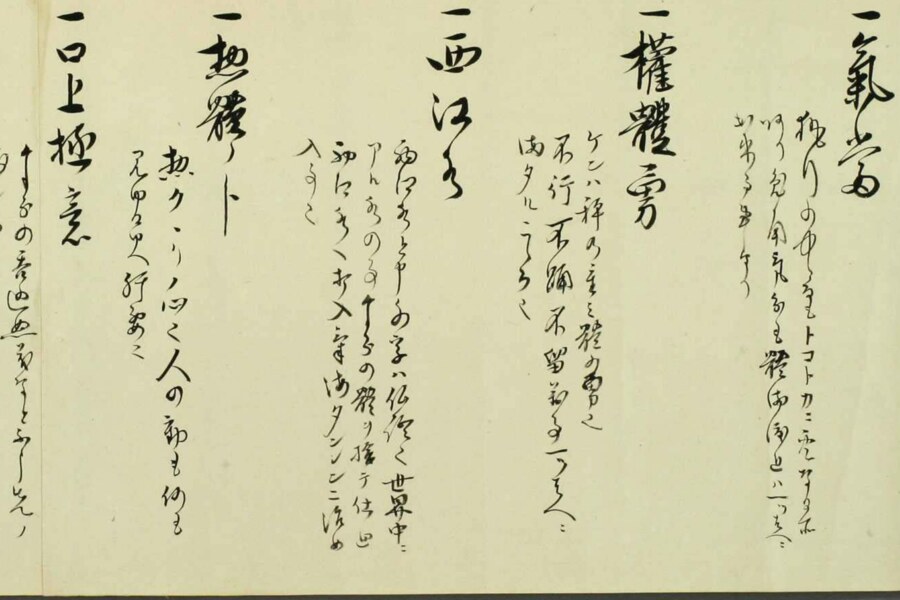
Using NDL cursive OCR models Waseda University Jikishinkage-ryū densho holdings allows us to better gloss commentaries in cursive script as well as small block character notes.
Drifting East, Mooring West
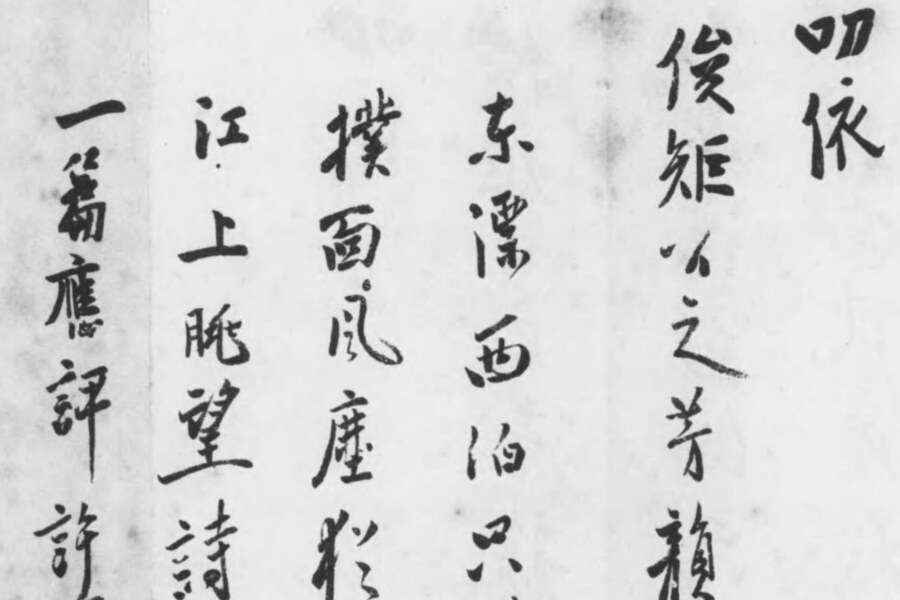
A short translation of a matching-rhyme quatrain, brushed on a slip and bound into the front matter of the 1898 Takuan Zenshū, likely by Takuan, that turns on Zen imagery of drifting with conditions and remaining untouched by the world.
Taisha-ryū, Denrinbō Raikei, and Hikosan Shugendō
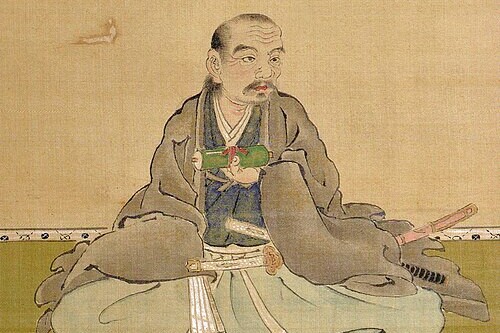
Ming Chinese master of Taisha-ryū and Shugendō practitioner. Some contrasts between Hiko Shugendō and Dewa Shugendō and a digression to a famous school of sword smiths.
Evolution of Jikishinkage-ryū Densho
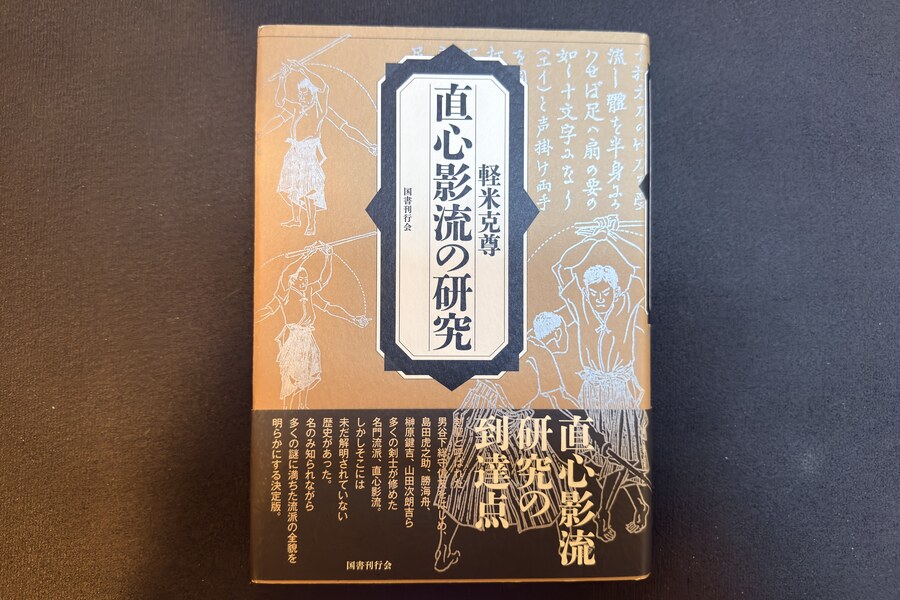
Summarizing Karukome’s research into the composition of written densho of Jikishinkage-ryū, especially where Kashima-centric claims enter the art.
From Kokugaku to the Ketsumeidan: Nativist Shintō and the Budō World
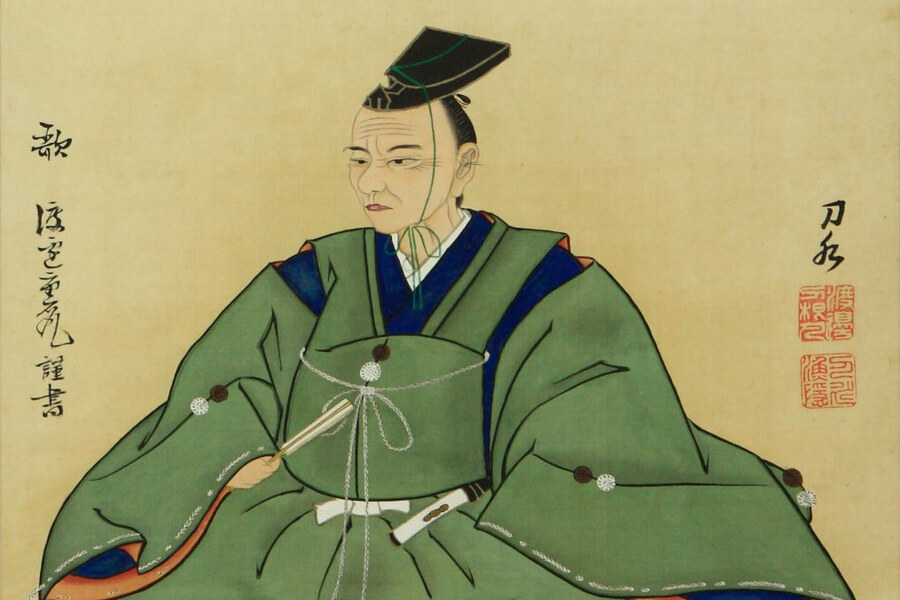
How the nativist undertow inside Edo Sinophilia grew through kokugaku — Motoori Norinaga and Hirata Atsutane — into the kokutai/Kōdō ideology of Imaizumi Sadasuke and the early-Shōwa nationalist milieu of the Ketsumeidan Incident that the budō world brushed against.
From Ming to Meiji: The Declining Status of Chinese Influence in Japanese martial culture from 1600-1900
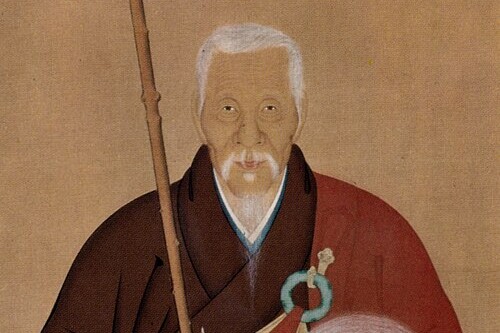
One thread that affects multiple articles here, whether on kobudō or Japanese religion, is the early Edo importance of Ming Dynasty culture in Japan as being desirable as an influence and the mid-to-late Edo scorn for Qing Dynasty China. This is only amplified in Meiji and beyond.
Memorial Steles of Jikishinkage-ryū
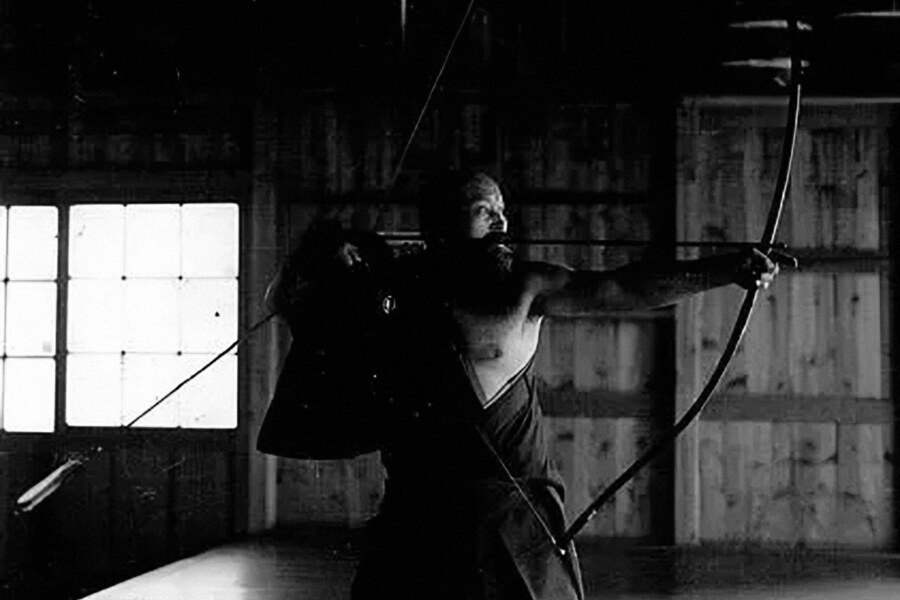
A survey of Jikishinkage-ryū memorial steles across Kashima Jingū and Chiba — their texts, and the succession dispute they record.
Matsuzaki Namishirō and Katoda Shinkage-ryū
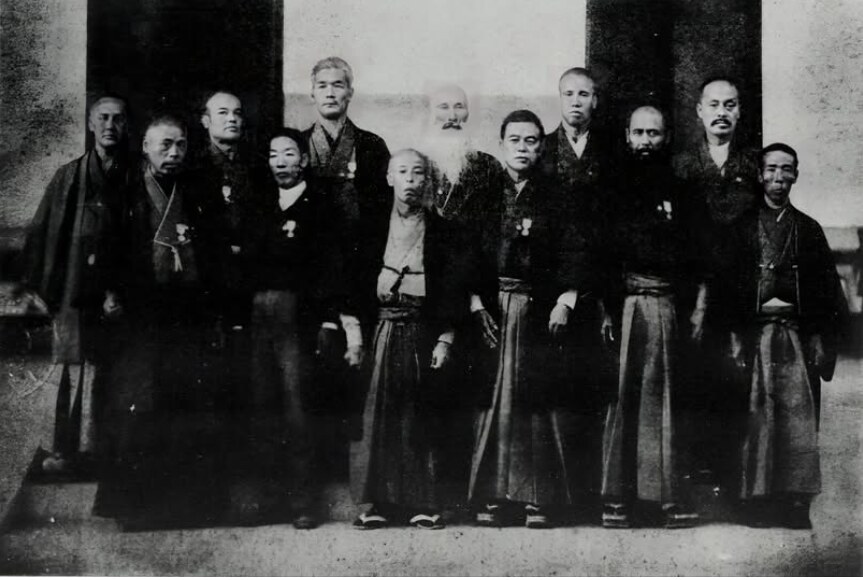
Matsuzaki Namishirō (松崎浪四郎, 1833–1896) of Kurume: his training in Katōda Shinkage-ryū, his musha shugyō and gekken years, the Shunpūkan, and his place in the early kendō world.
From the Kōbusho to the Butokukai
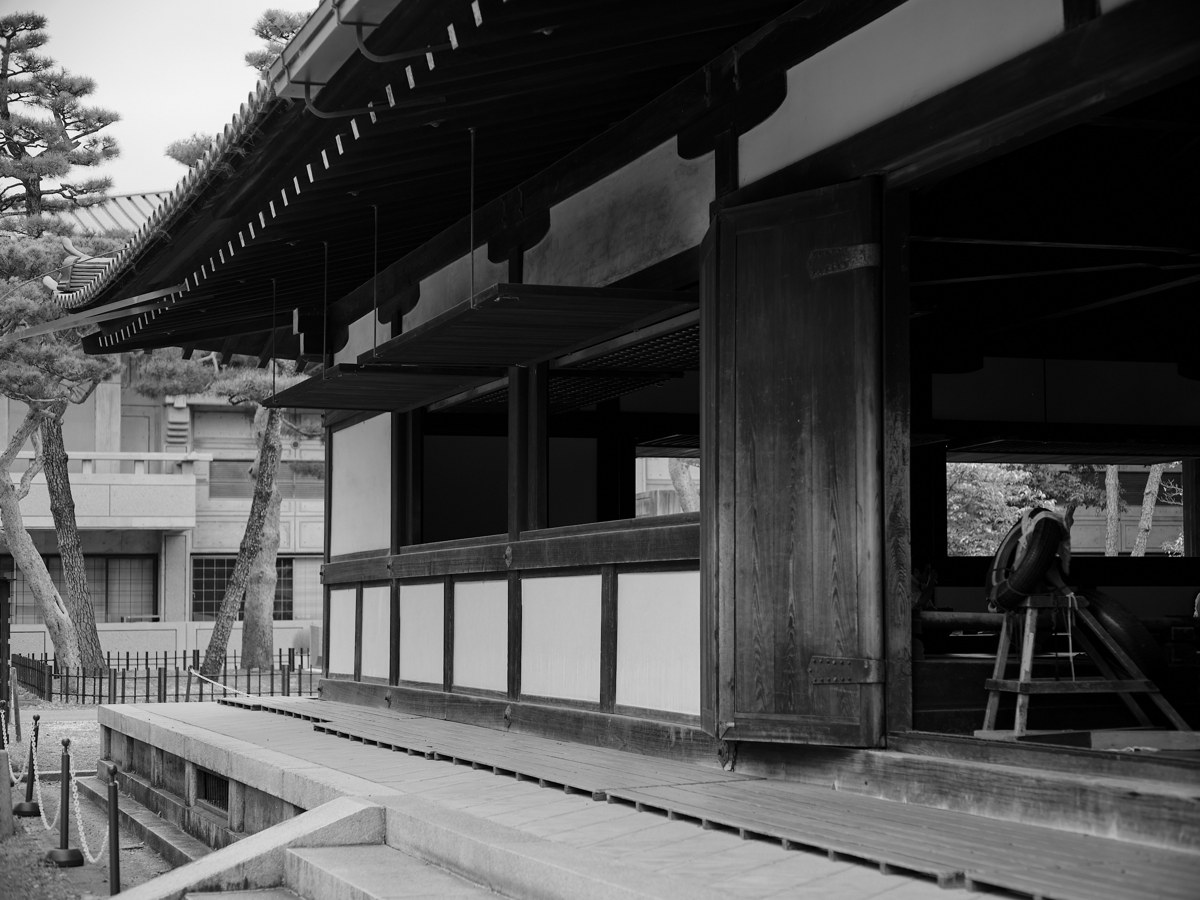
The late Edo period Kōbusho, the martial academy of the Tokugawa, its swordsmen and their styles, and the institutions that followed it into the modern era.
Ōshima-ryū Sōjutsu Densho
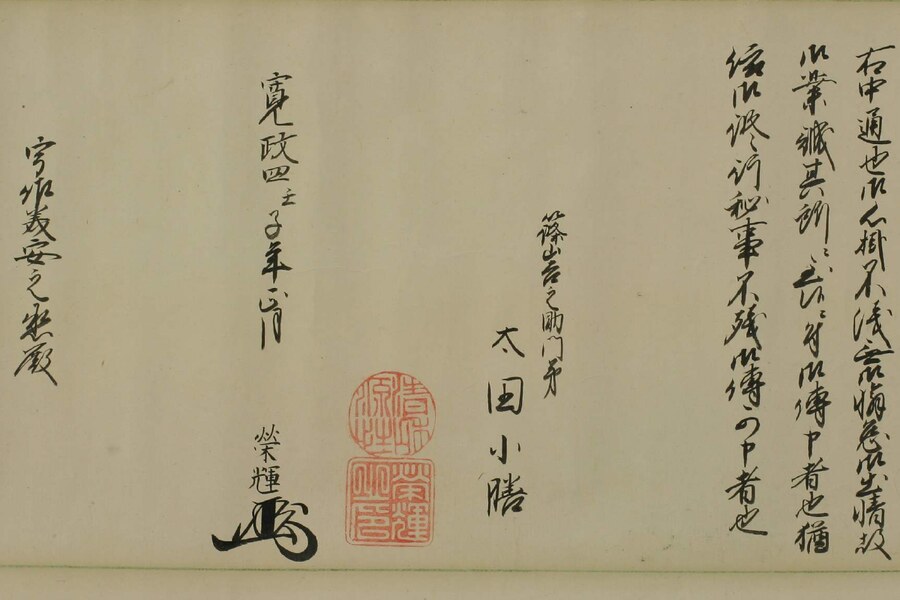
We examine a densho from 1792 of Ōshima-ryū, a spear tradition stemming from Ōshima Hanroku Yoshitsuna who studied methods passed down from Yuasa Shinroku. Its signature weapon was a long suyari and it held a long-time rivalry with the Hōzōin-ryū.
Fixed measurement and the three accordances
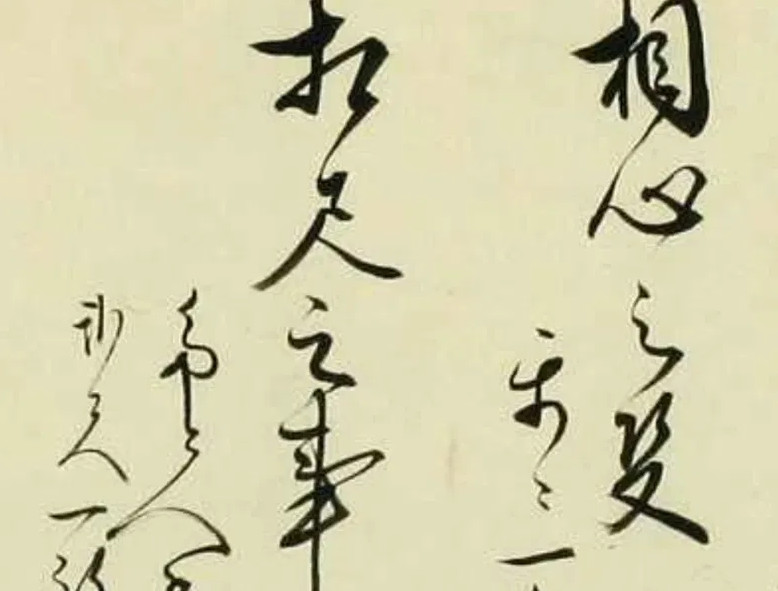
Sōjaku-no-koto (相尺之事; mutual distance or measure) is one of the formal matters listed in historical mokuroku of Jikishinkage-ryū kenjutsu. We examine its relationship to Sino-Japanese philosophical concepts.
Eight Phases and Eight Extremes
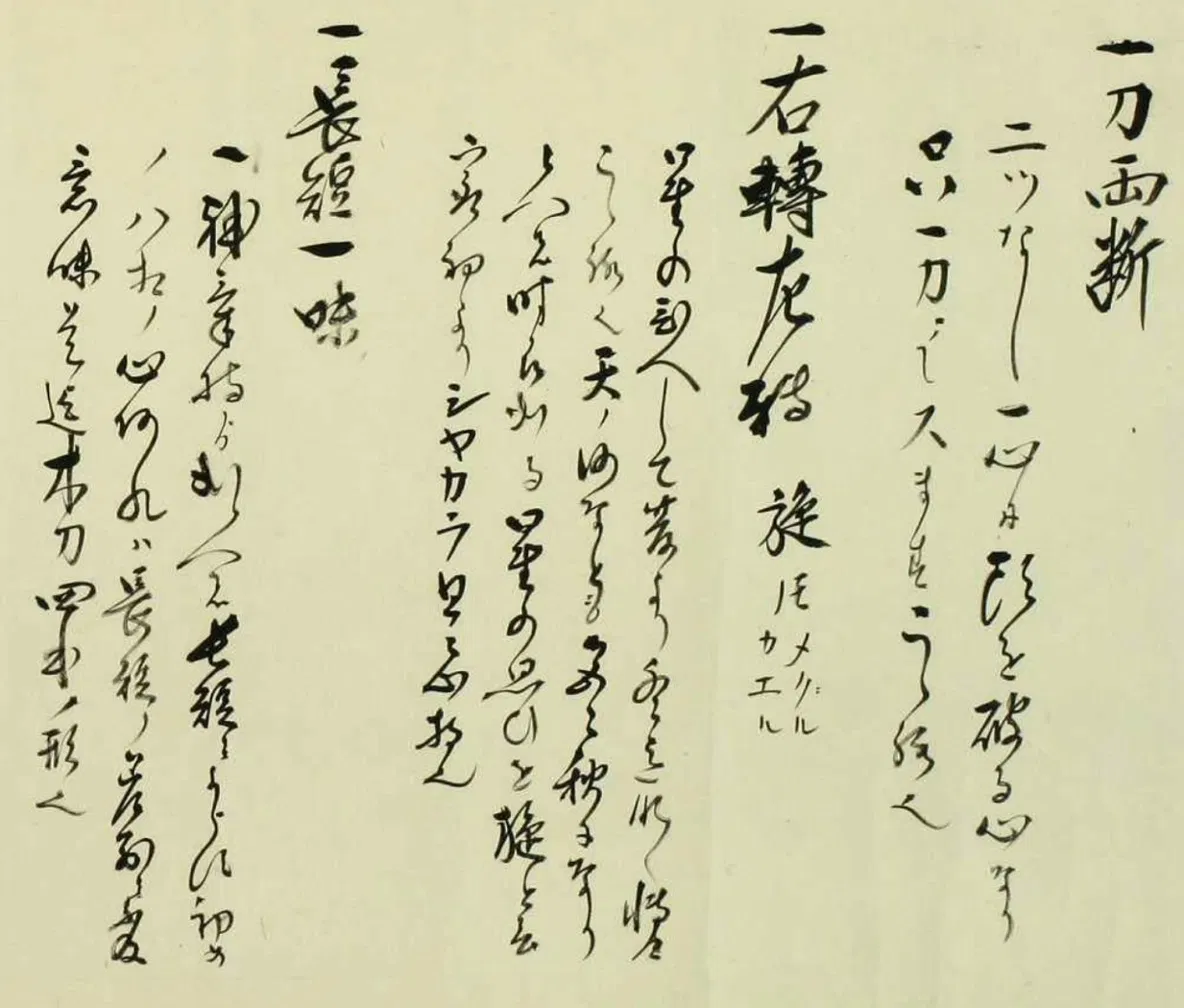
Detail of Hassō Happa from the 1800 Kashima-shinden Jikishinkage-ryū Hōjō densho of Naganuma Tadasato, copied by Ogawa Yashichi, its place in Hōjō swordsmanship, and how the eight phases may relate to the eight extremes of Daoist Huainanzi geography.
Kodachi: The ura of Hōjō
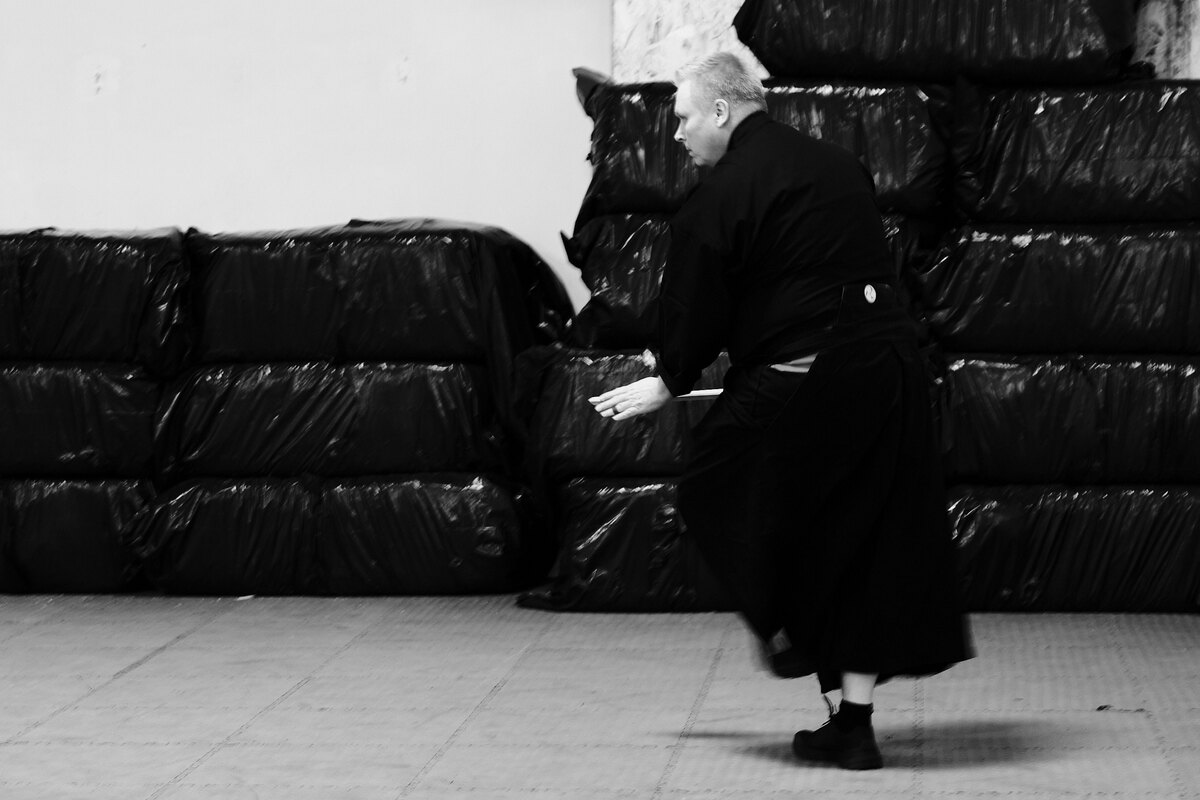
Discussion of kodachi and habiki practice in Jikishinkage-ryū Seitō-ha as informed by an examination of Saitō Akinobu (1901) Gokui Kyōju Zukai, explaining brief oral teachings.
Late Ming Chinese Influence on Ogasawara Genshinsai
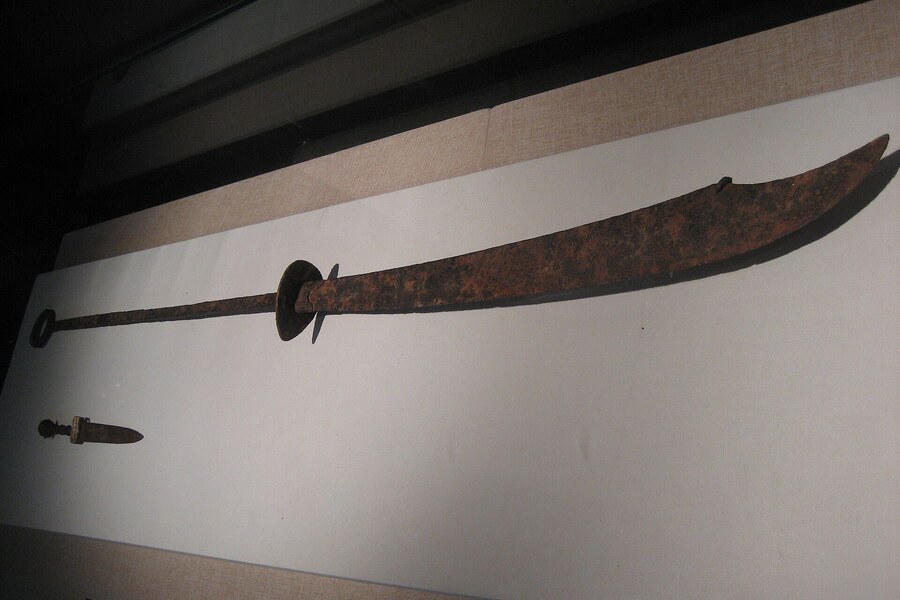
Details on the China travels of Ogasawara Genshinsai.
A-Un, Gogyō, Godai and Beyond
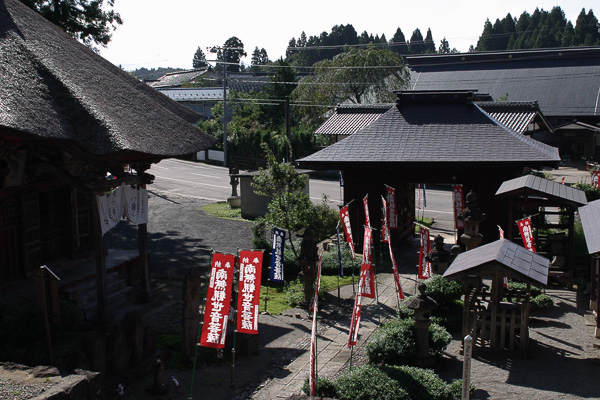
A brief discussion of the seasonal mappings of kata in Jikishinkage-ryū kenjutsu and how those relate to Daoist complementarity, five phase theory, and partially to Mikkyō concepts.
Teaching Internal Ideas
A poem by Yu Xin (513-581) evokes some thoughts on training and teaching — the importance of solo practice, the results of different experiments in teaching, why it is best to be cautious before taking on new obligations.
On Researching Gokui
Reflections on researching and writing about inner principles of Japanese swordsmanship and relating those back to philosophical topics.
An Overview of Wú Tàijíquán Practice

Tàijíquán, along with Xíngyìquán and Bāguàzhǎng, forms the core of the internal martial arts, distinguished by their grounding in Daoist philosophy and Nèigōng practices.
The Truth of the Calm Spirit
An examination of the practice of Jikishinkage-ryū kenjutsu through the lens of internal martial arts.
Kiai is not a sound
Reflecting on twenty years of writing on martial arts, the integration of internal principles into classical swordsmanship, and a concluding pilgrimage to Japan.
Contrasting Modern and Classical Mindsets
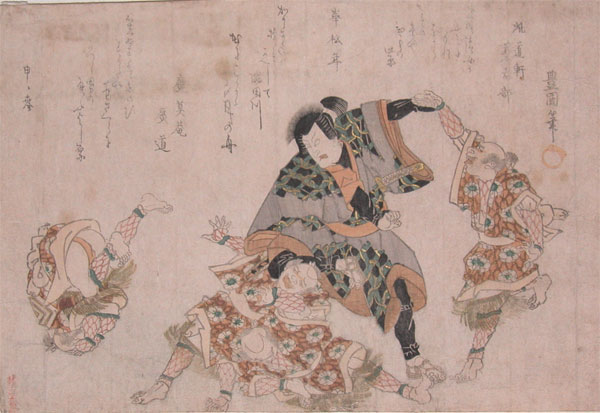
We examine some features of armed and unarmed grappling and small weapon styles from the medieval period to modernity and draw some parallels and distinctions between them, especially as related to combat sport and contemporary military practices.
Sente, Kuzushi and Marobashi
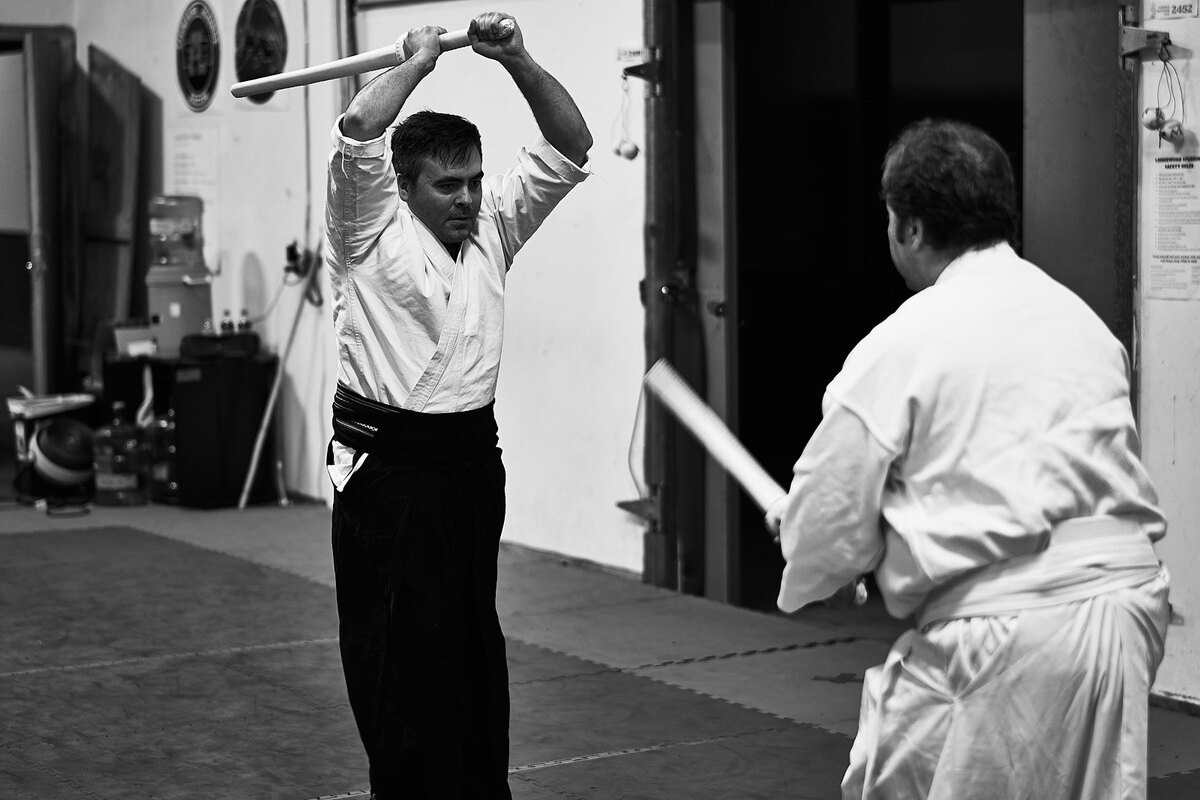
Reading the kata of Jikishinkage-ryū through kuzushi — from the hidden order of initiative in tō-no-kata, through the turning point at its capstone, to the close-quarter application of kodachi — framed by the triad of heaven, earth, and man.
Layers of Training
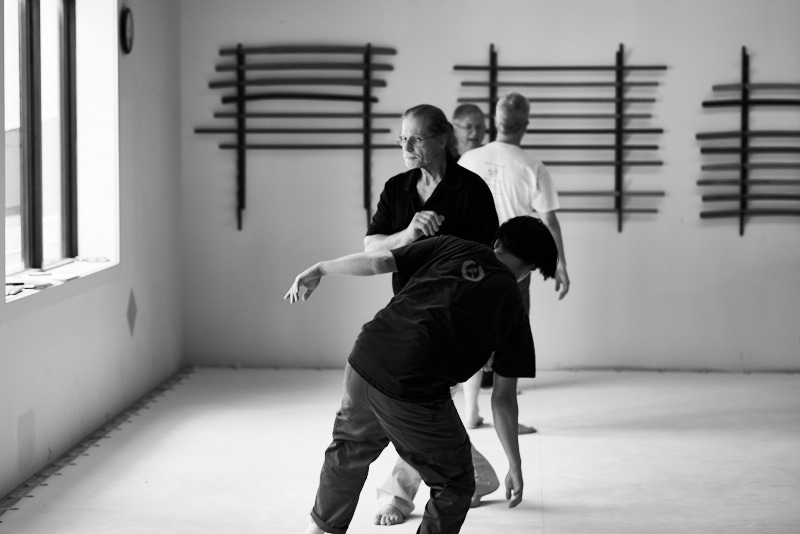
Stages of training and how that relates to internal martial arts principles and the organization of older martial traditions.
Comparing Patanjali’s 8 Limbs with Buddha’s Noble 8-fold path

Last year I began additional training in the union of Yoga and Buddhism offered through Tibet House. A short essay comparing the Astanga of Patanjali with the Buddhist Noble Eightfold path.
Hōjō ken Kokoro-e sho
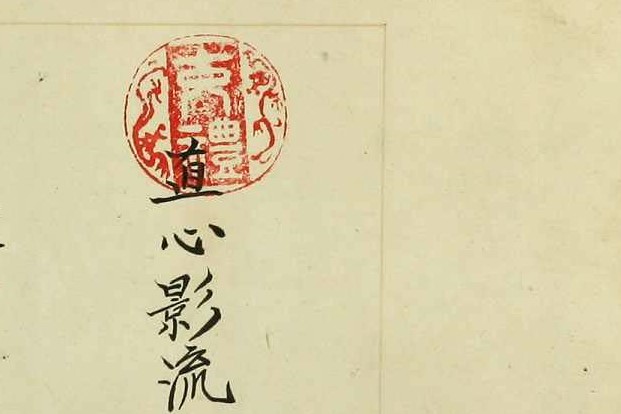
Text, with a translation, on Jikishinkage-ryū Hōjō (foundational) swordsmanship, provided for reference based on Jikishinkage-ryū Sōhonbu and Hōbyōkan material. This is typically chanted or recited before performance of the Hōjō kata of Jikishinkage-ryū.
Divergence and Unification in Shinkage-ryū (opens in a new tab)
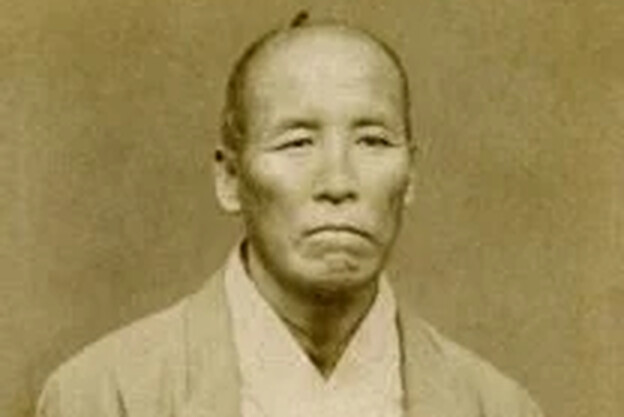
An essay on kata, heihō and shugyō, comparing and contrasting different surviving lines of Shinkage-ryū, with reflections on my own practice.
Tōsha Dōjō
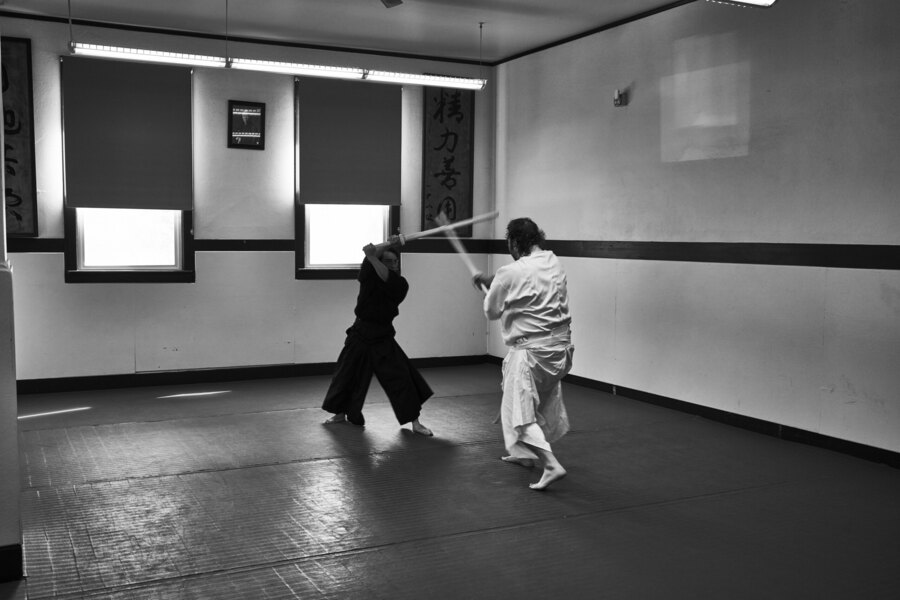
Tōsha Dōjō is a small training activity that meets weekly as part of Lonin League in Seattle and is focused on traditional kata practice and free sparring with armor and shinai.
General Qi Jiguang’s Jixiao Xinshu and Reflections on Claims of Martial Virtue (opens in a new tab)
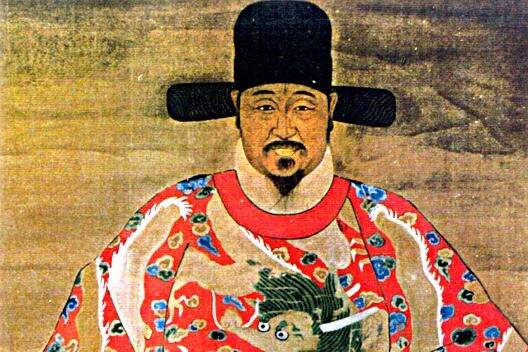
A look at some older writings from Japanese koryū that reference classical Chinese military treatises, and how the practices described in those works may be represented in arts surviving today.
Kenpō at the Gassankan
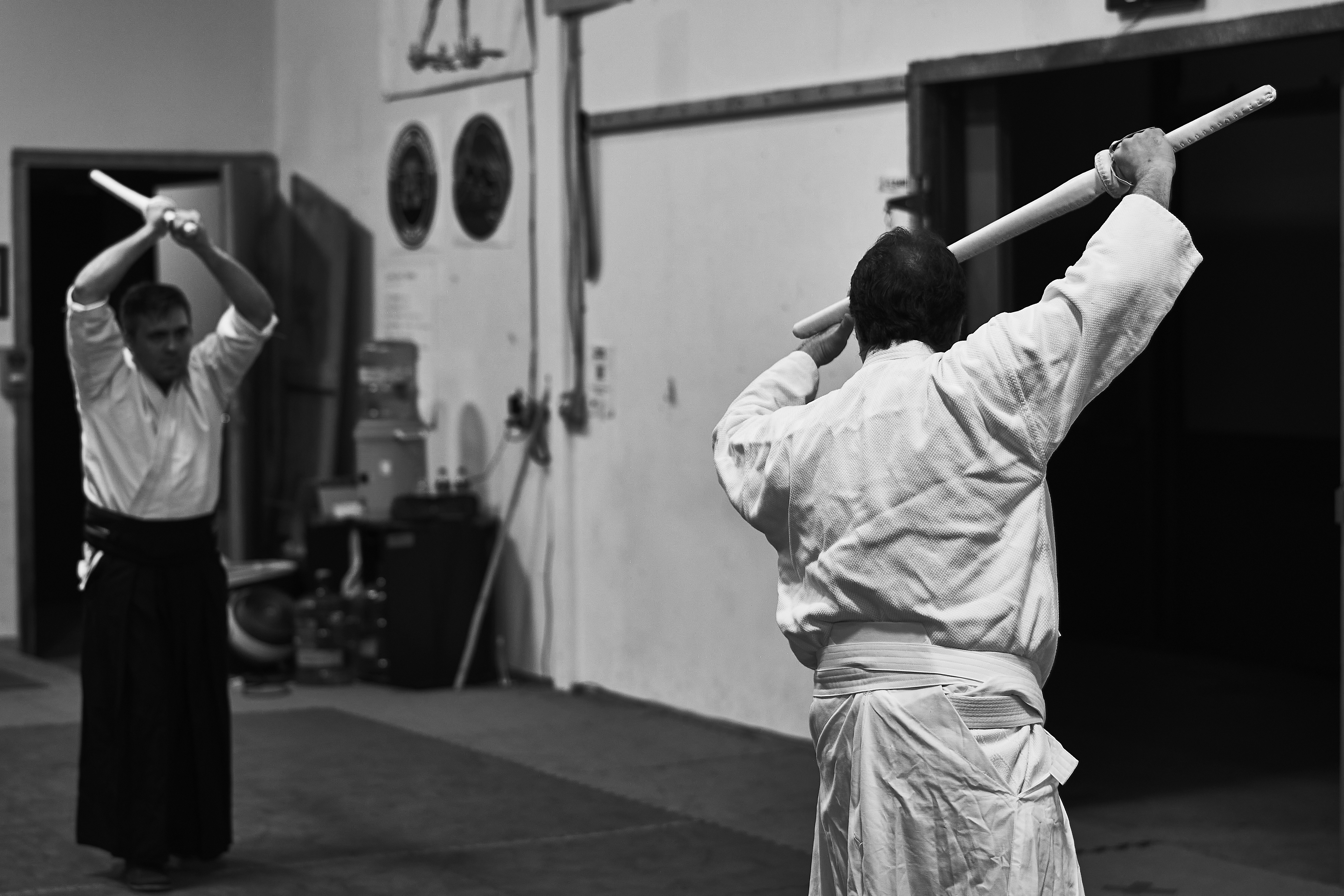
I provide some information on the organization, goals, and overal training context of my efforts at preserving a practice of Jikishinkage-ryū kenjutsu (heihō) and related arts as part of the Gassankan.
YCGF Weapons Practices
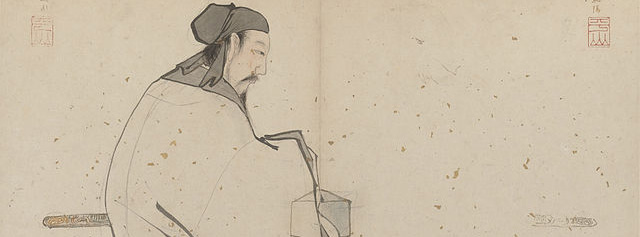
The Tàijí, Bāguà and Xíngyì taught as part of Yin Cheng Gong Fa includes an extensive curriculum of jian (sword), dao (saber), and qiang (spear).
Pressure Testing in Classical Budō
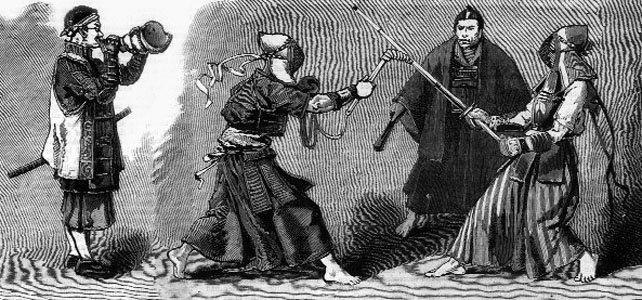
On solo practice, free sparring, entering HEMA competition, and the waning intensity of classical martial arts. Reflections on what it means to keep kenjutsu practice alive.
Gogyō Exegesis

Reflections on a decade of practice in Tenshin Shōden Katori Shintō-ryū and an analysis of what may lie hidden beneath its surface.
Proper Training Intensity in Traditional Martial Arts

A discussion of what consititutes proper training intensity in traditional martial arts.
Tàijí Classics
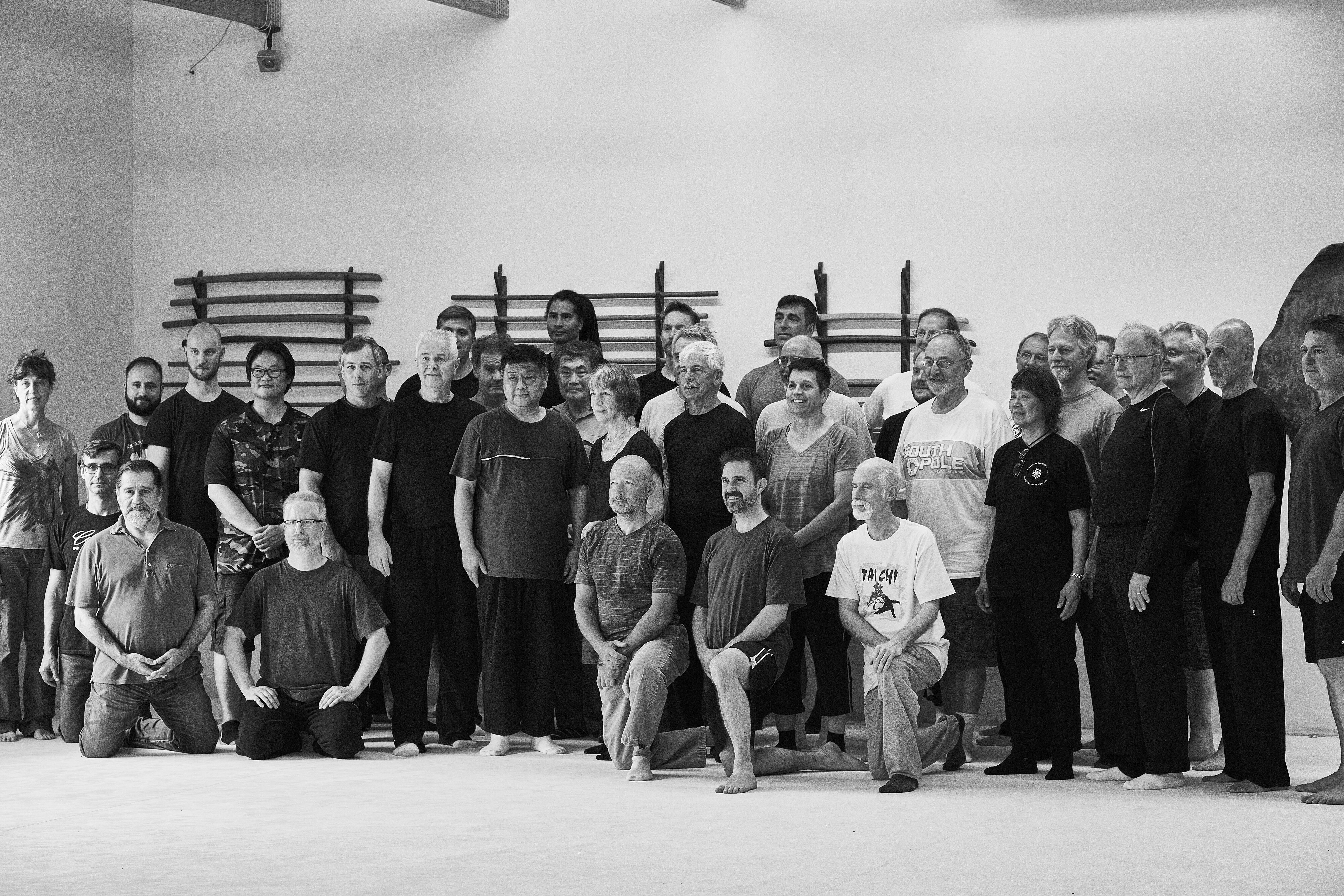
An important translation of the Tàijí Classics has been published. Highly recommended.
Aiki and Internal Training
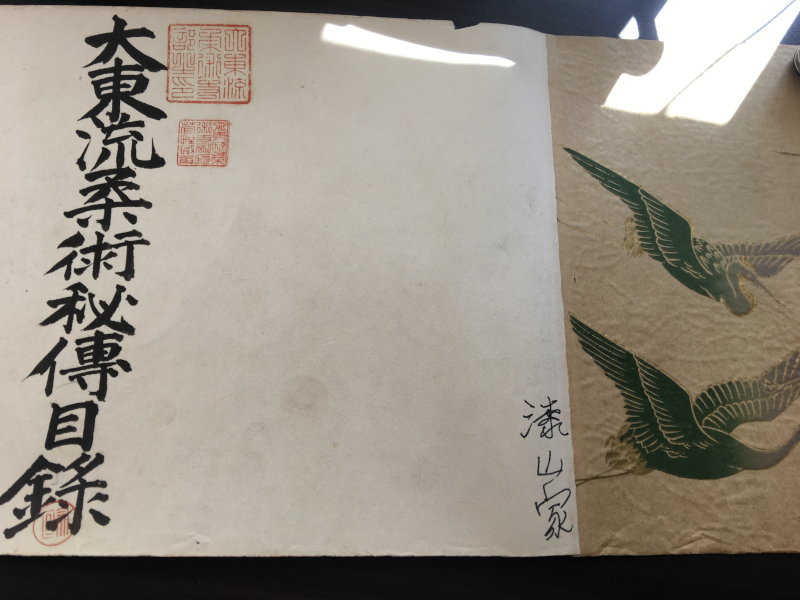
Collected thoughts on the historical influence of Chinese martial arts on Japanese jujutsu and how they relate to the topic of aiki in Aikidō and Daitō-ryū.
NAMT Night of Budō 2013
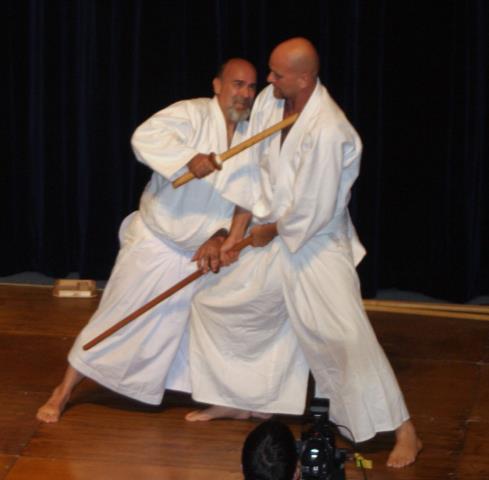
Reflections on a demonstration of Araki-ryū and Tenshin Bukō-ryū at the NAMT 2013 Night of Budo by Ellis Amdur.
On the cultivation of skill
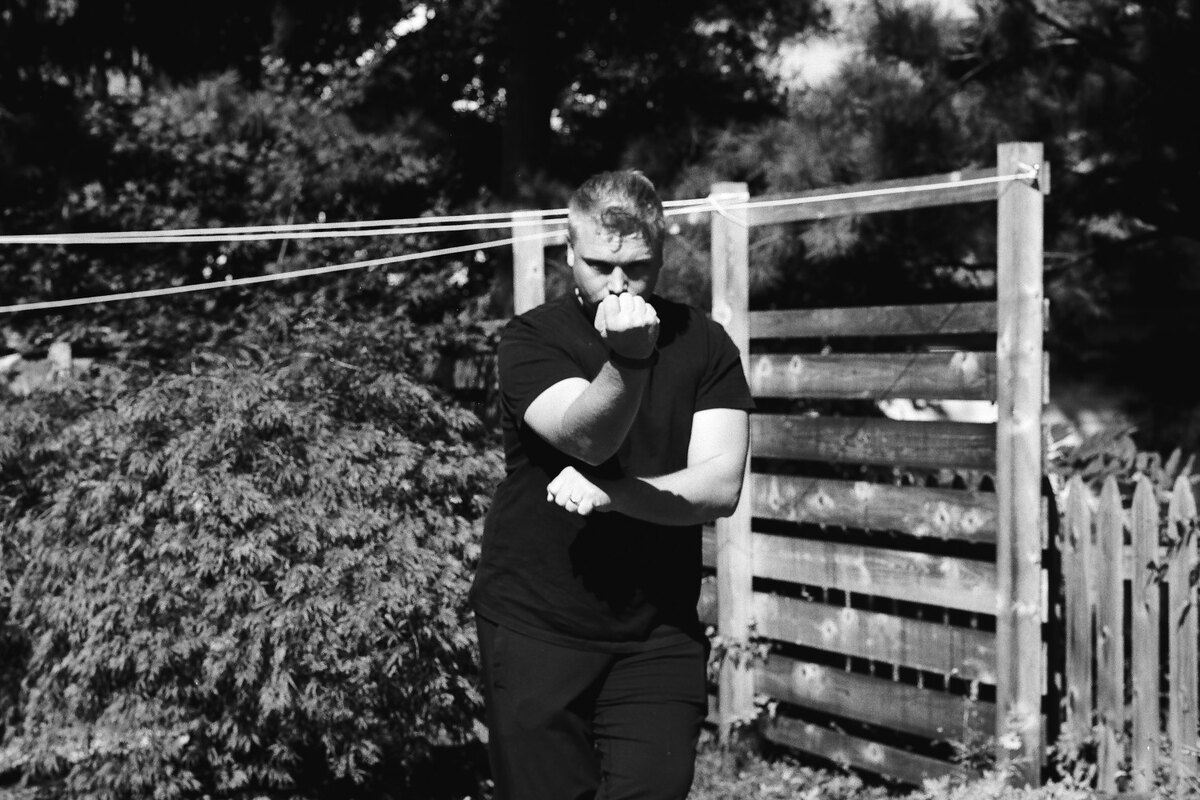
A brief discussion of power generation in internal martial arts.