In 2004, while visiting the Dewa Sanzan (出羽三山) area of Yamagata Prefecture — including Gassan Dai Jinja (月山大神社) on Mt. Haguro and Haguro-san Kōtakuji Shōzenin Kogane-do in Haguro-machi — I decided to commit my full efforts towards learning classical and traditional arts.
Much of my earlier writing on Inner Dharma was concerned with that specific transition: shifting toward the cultivation of internal skill. As I learned more of Bāguà, Xíngyì, and Tàijí, I reflected on the relationships between the concept of aiki and traditional internal martial arts training. I also began learning classical weapons arts from China and Japan around the same time.
Chief among these was the line of Kashima-shinden Jiki Shinkage-ryū maintained at the Hōbyōkan (opens in a new tab) following the teachings of Namiki Yasushi and Itō Masayuki. Inner Dharma served as a place where I could write down my thoughts, contrasting older arts like Shintō-ryū and Shinkage-ryū, and examining how older methods of martial practice have evolved over time.
Since moving to Seattle, I continued traditional katageiko, conducted analyses of kata in a process called kuzushi, and performed combative pressure testing called tameshi-ai.
In doing this, my practice became increasingly influenced by my continued study of internal martial arts. One challenge I faced was in deciding exactly what to preserve from my training. Over time, I incorporated free-practice into my kenjutsu and attempted to bring the insights I had obtained through internal martial arts into the sword, and the defining aspect of my kenpō (劍法) became the integration of these internal principles.
My emphasis is placed on developing a connected body that integrates force with each action in an optimal manner, remaining relaxed and able to adapt suddenly when needed. I practice this kenpō as part of the cultivation of shugyō (修行) — mindful austerity. Doing so, I emphasize Daoist aspects of the art, including complementarity (yin and yang) and five element theory, drawing inspiration from Shugendō.
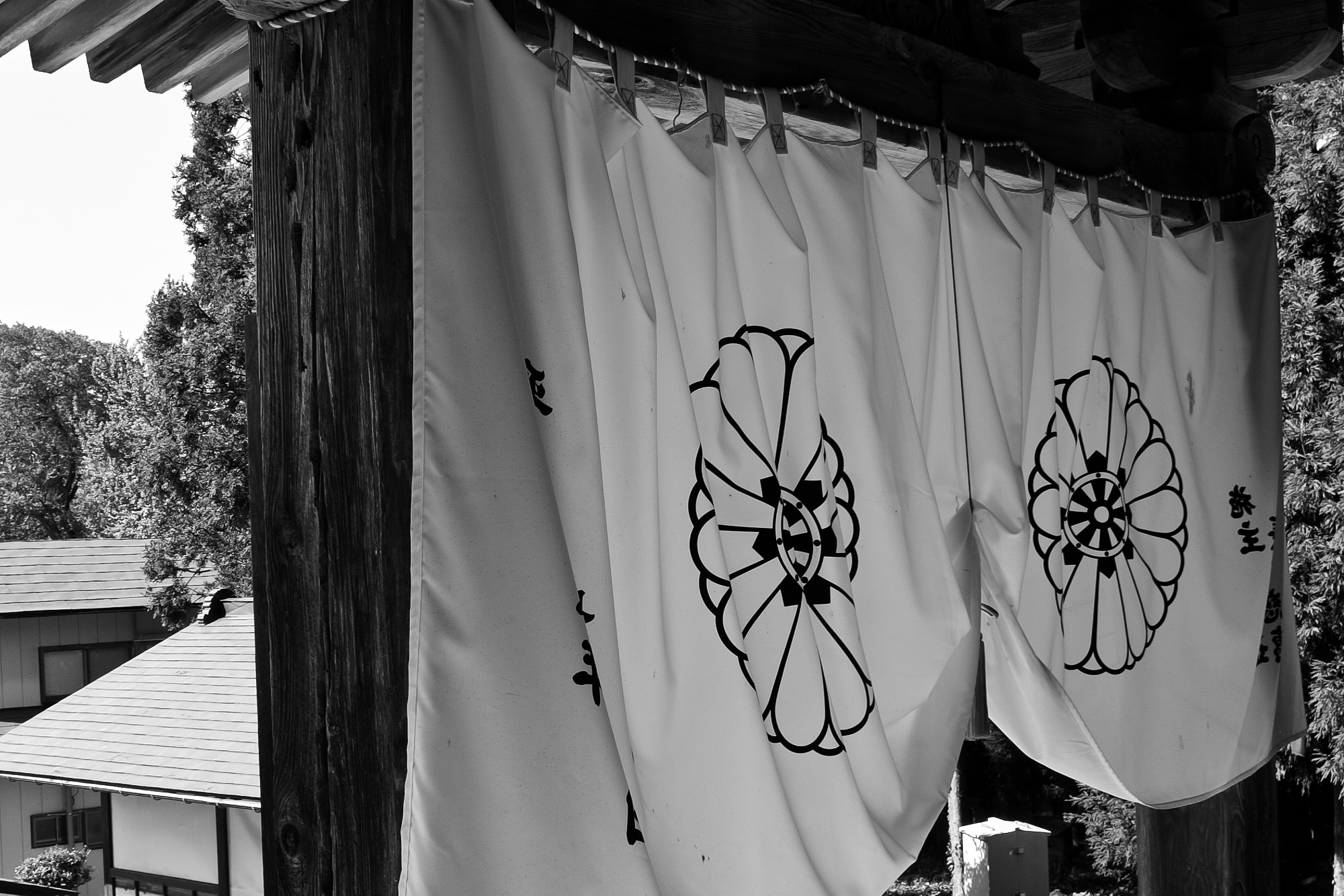
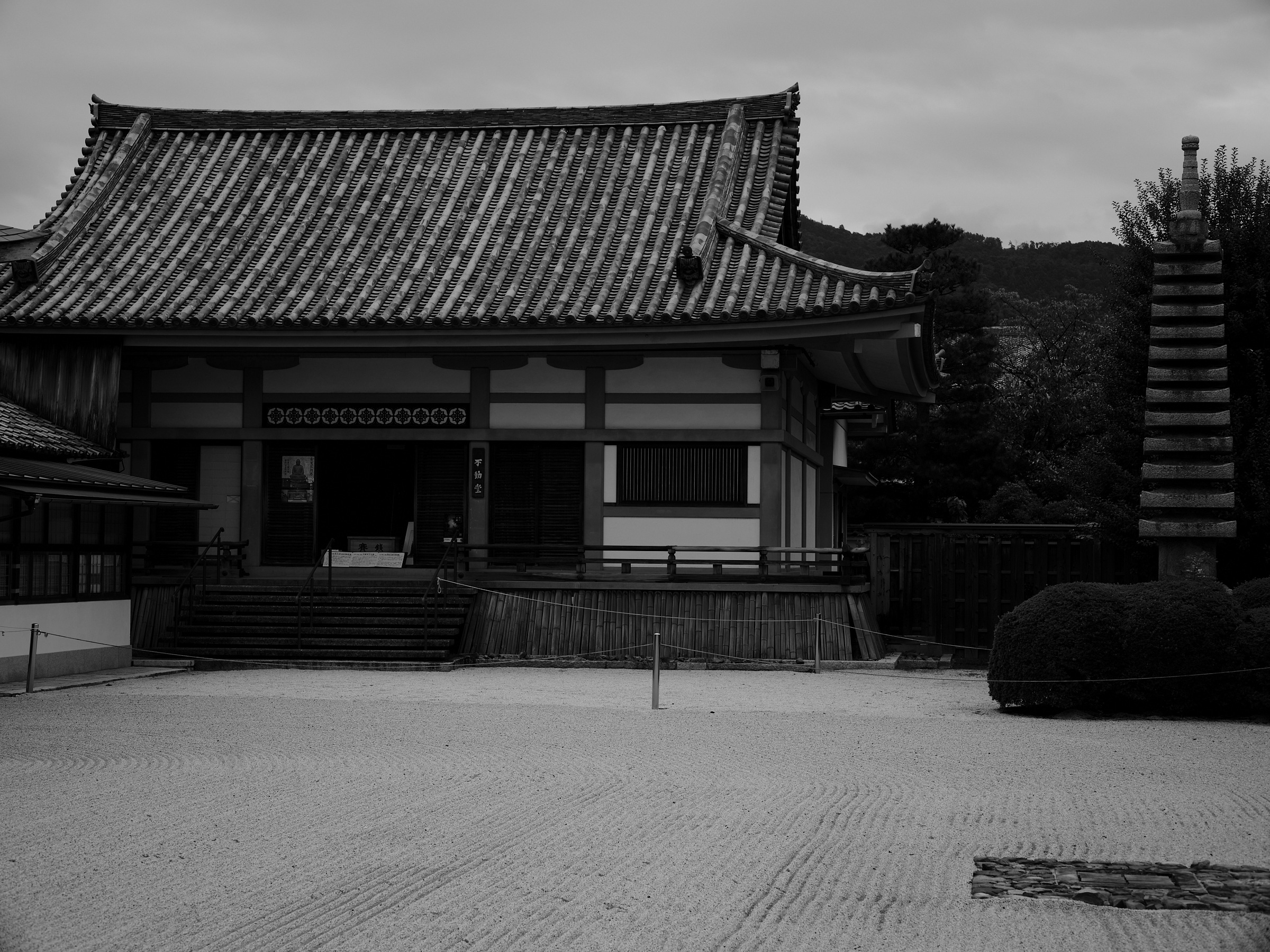
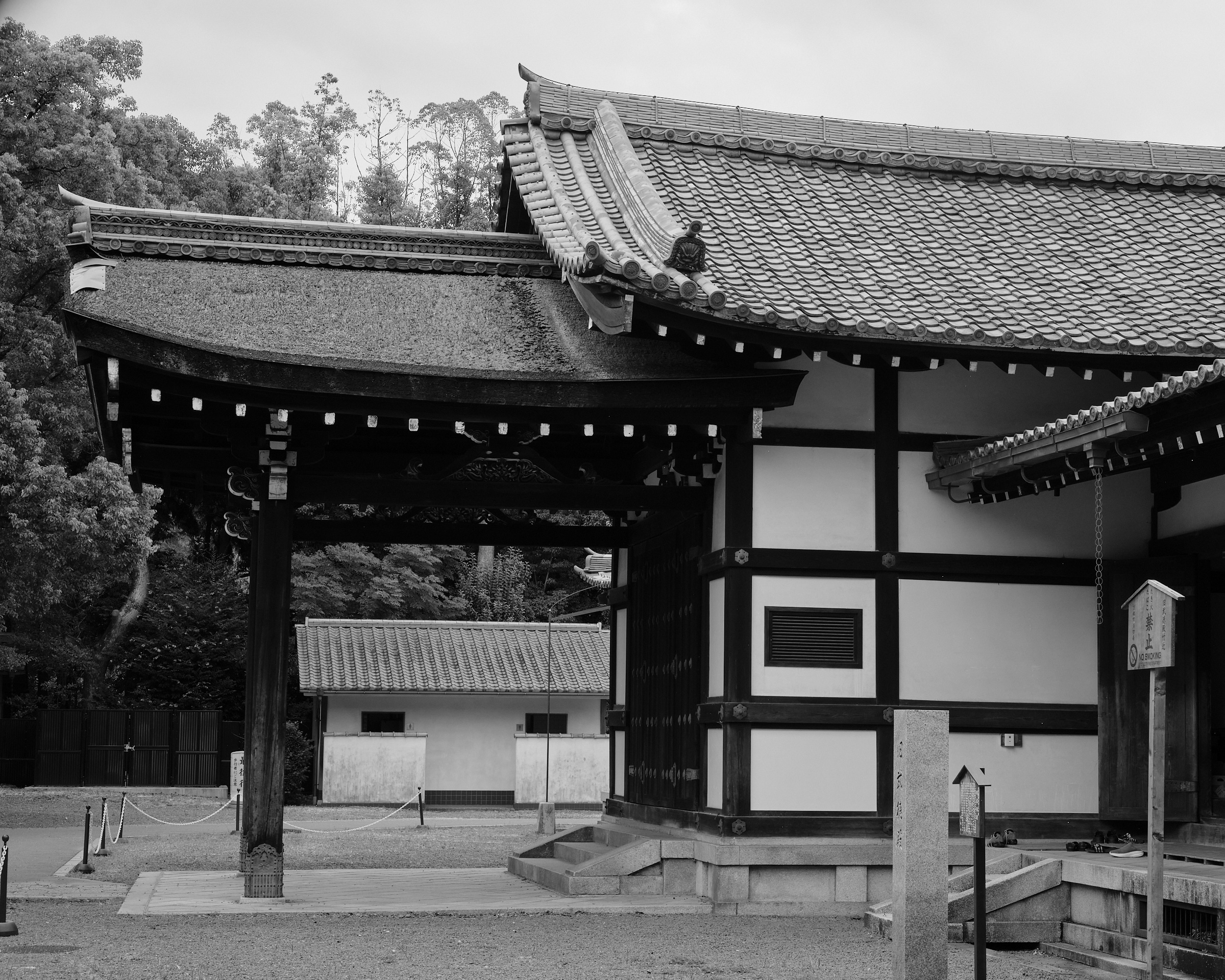
Almost twenty years after this project began in Dewa, I spent time visiting Kyoto and Nara. I visited the seat of Honzan-ha Shugendō not far from the Kyoto Budōkan (the site of the Meiji-era Butokukan), the shrines and temples at Kuramadera associated with historical figures such as Yoshitsune and Kiichi Hōgen, and the Tōdaiji in Nara. Doing so, I thought deeply about my continued martial practice.
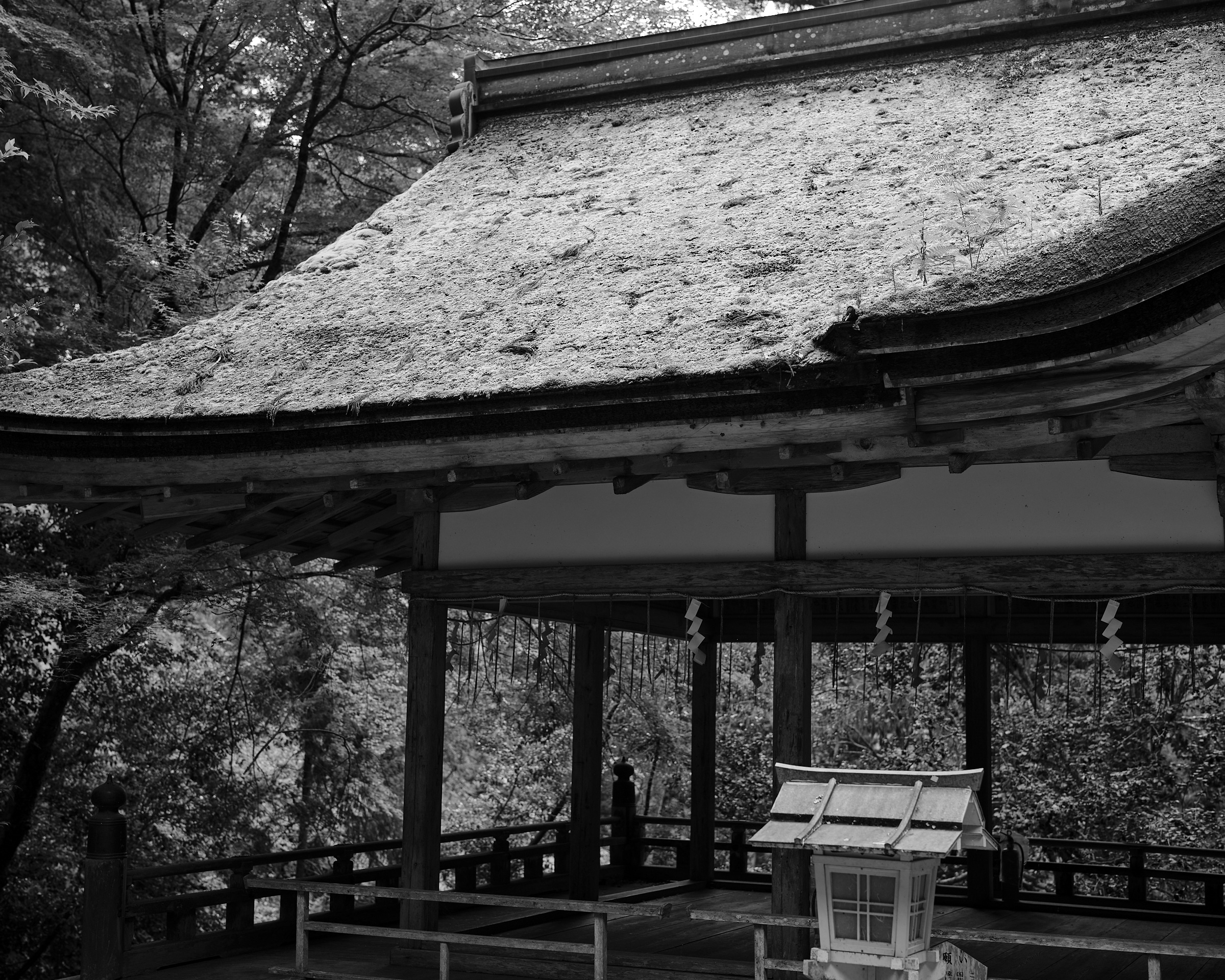
I am reminded that the final level of practice of Jiki Shinkage-ryū, called marubashi (丸橋; alt., maruhashi), is silent. It is time for me to embrace that silence as a path.
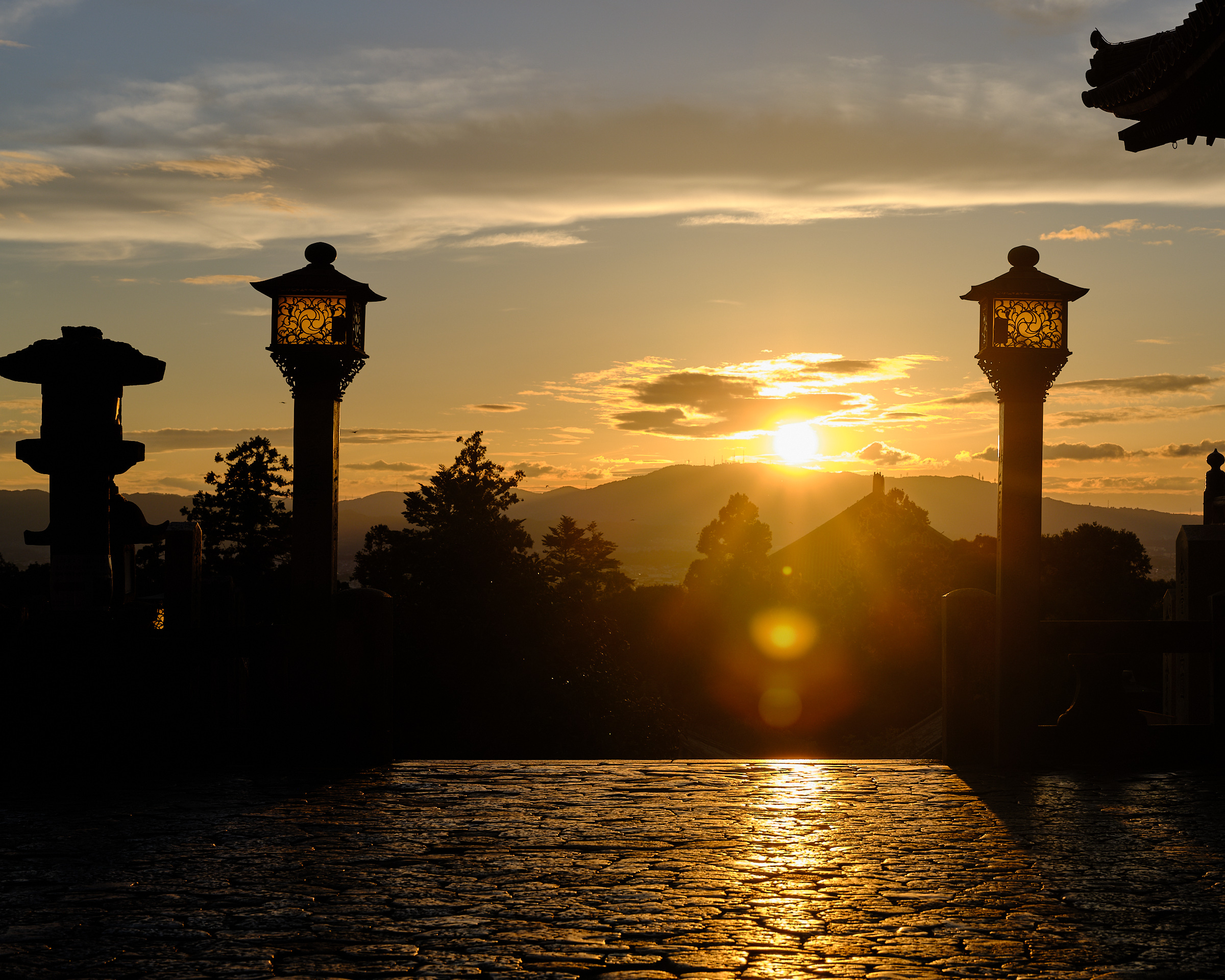
The phrase hyakuren jitoku (百錬自得) means that through a great deal of practice you can better understand yourself. I am grateful for the opportunity to know myself a little better for having trained.
Looking out from the veranda of the Nigatsu-do, above Tōdaiji in Nara, I came to the realization that I had completed the journey that started in Dewa twenty some odd years ago.