Inner Dharma is a writing project on classical and traditional martial arts and culture. I practice internal martial arts from China and Japan. Please also visit the research page for longer works and technical articles that grew out of these reflections.
Essays and Articles
Teaching Internal Ideas
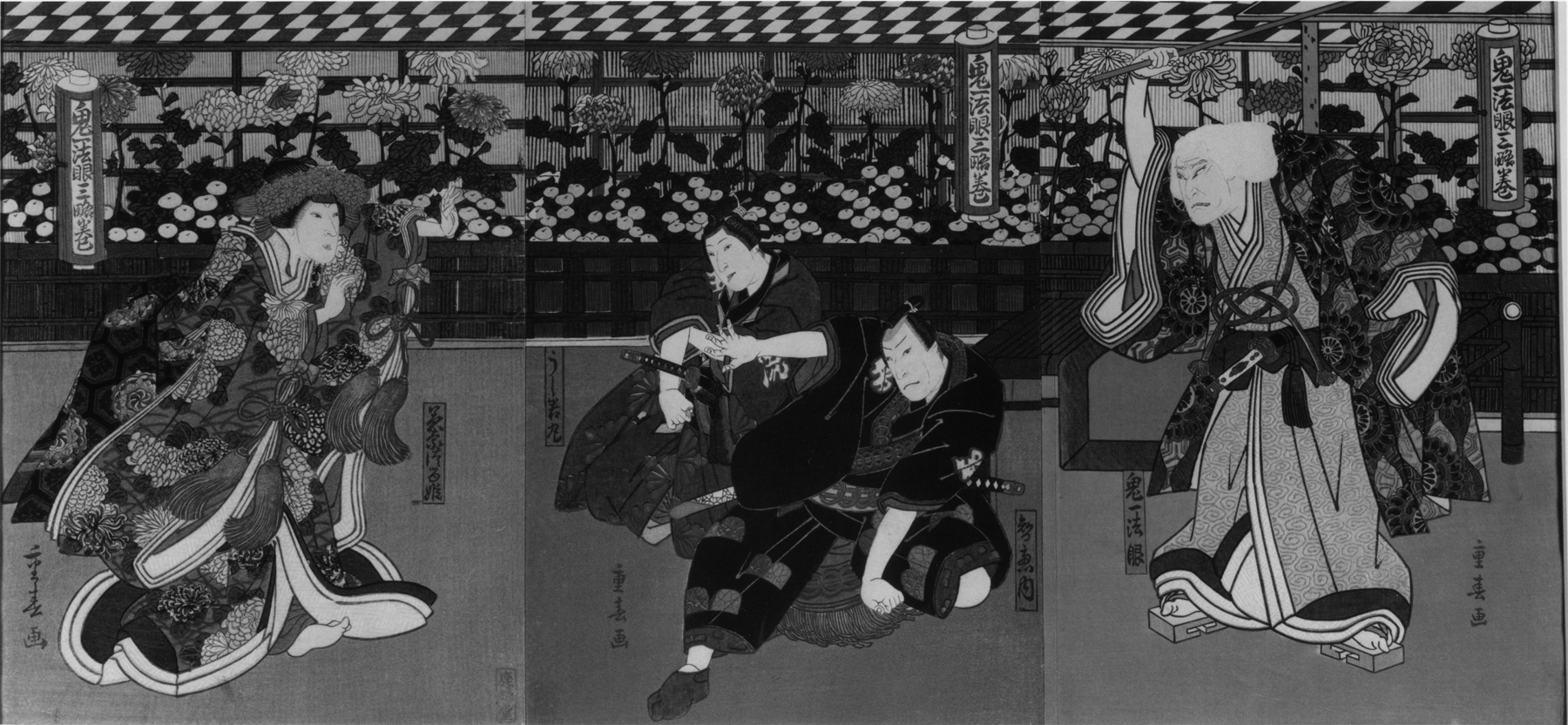
A poem by Yu Xin (513-581) evokes some thoughts on training and teaching — the importance of solo practice, the results of different experiments in teaching, why it is best to be cautious before taking on new obligations.
On Researching Gokui
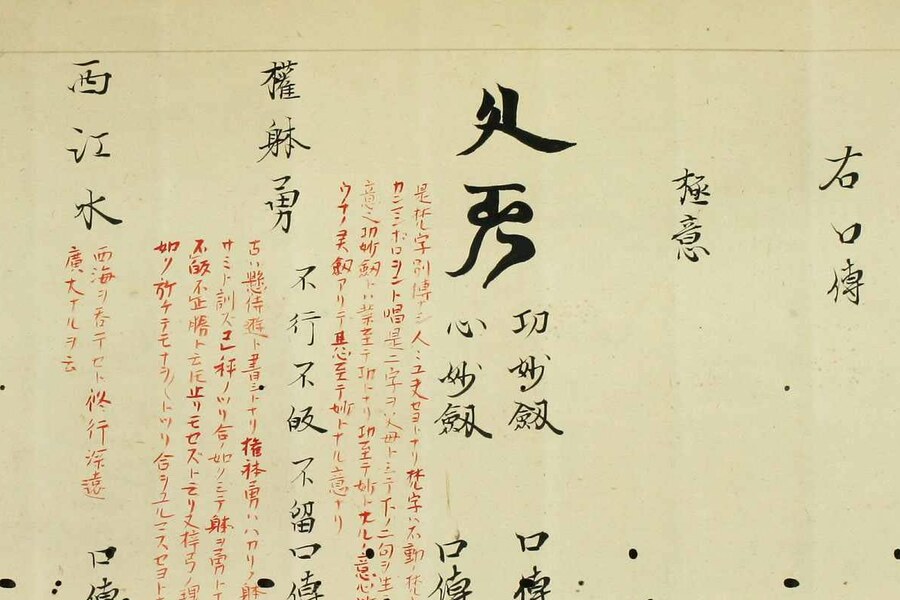
Reflections on researching and writing about inner principles of Japanese swordsmanship and relating those back to philosophical topics.
An Overview of Wú Tàijíquán Practice

Tàijíquán, along with Xíngyìquán and Bāguàzhǎng, forms the core of the internal martial arts, distinguished by their grounding in Daoist philosophy and Nèigōng practices.
Kiai is not a sound
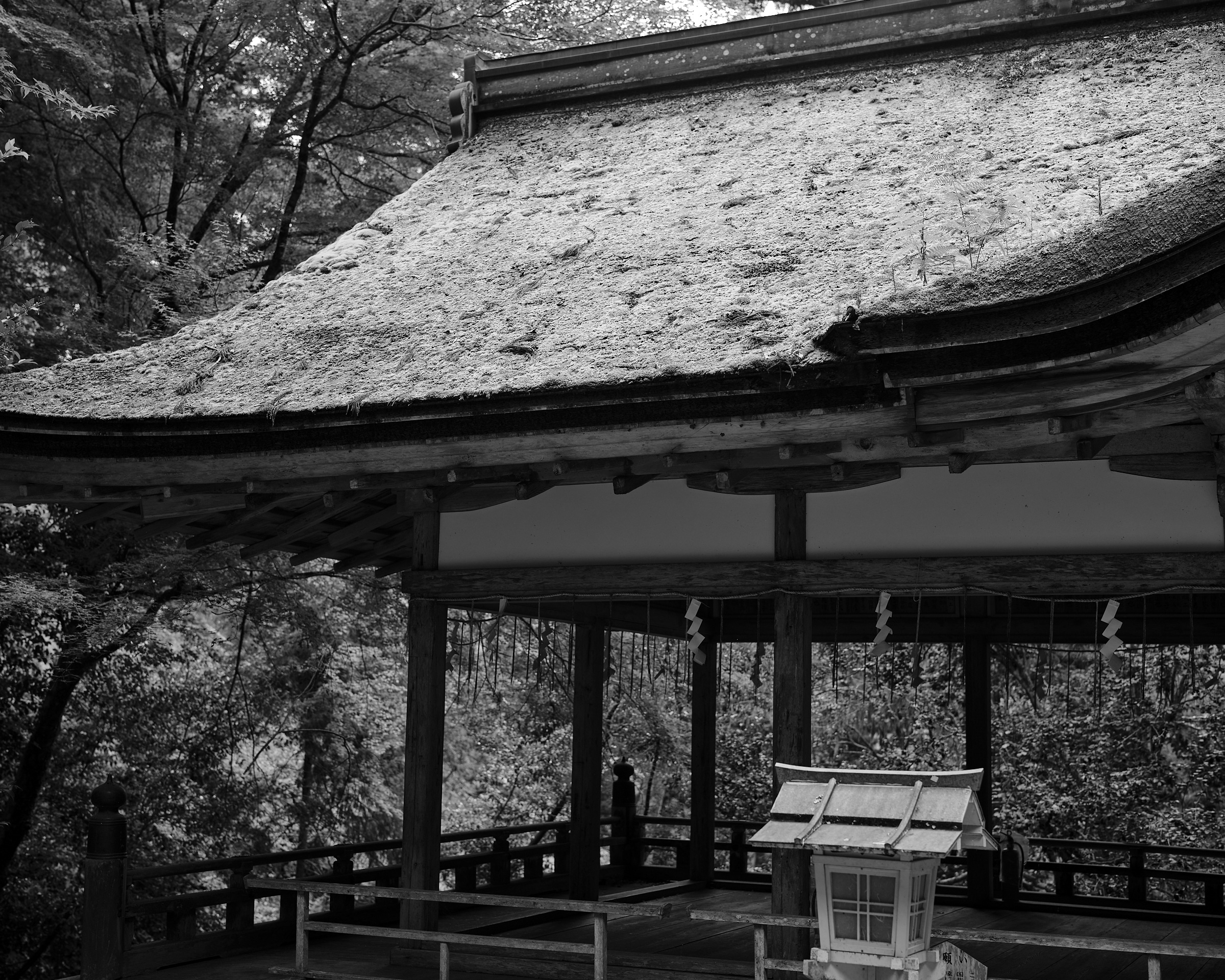
Reflecting on twenty years of writing on martial arts, the integration of internal principles into classical swordsmanship, and a concluding pilgrimage to Japan.
Contrasting Modern and Classical Mindsets
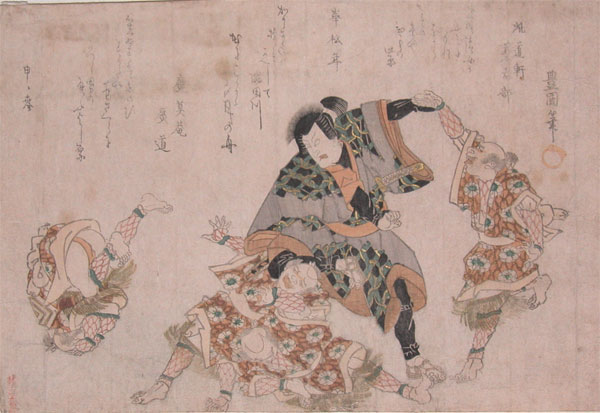
We examine some features of armed and unarmed grappling and small weapon styles from the medieval period to modernity and draw some parallels and distinctions between them, especially as related to combat sport and contemporary military practices.
Sente, Kuzushi and Marobashi
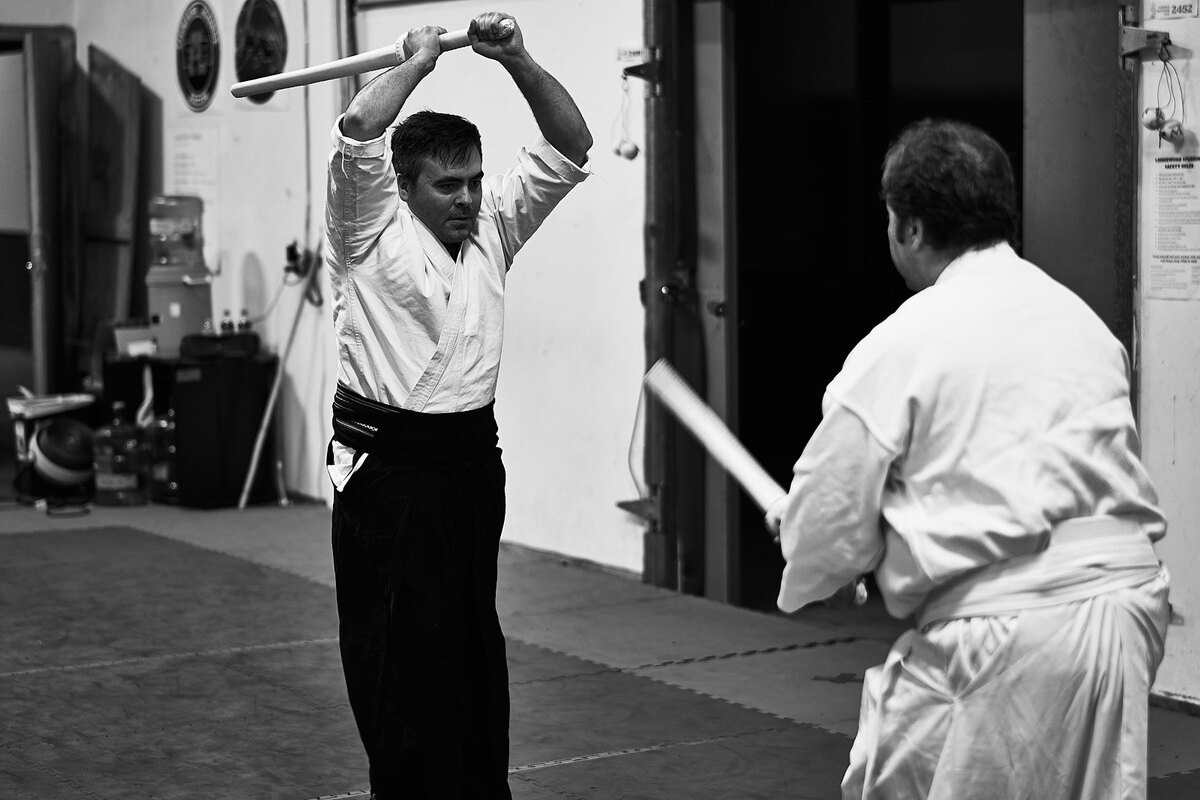
Reading the kata of Jikishinkage-ryū through kuzushi — from the hidden order of initiative in tō-no-kata, through the turning point at its capstone, to the close-quarter application of kodachi — framed by the triad of heaven, earth, and man.
Layers of Training
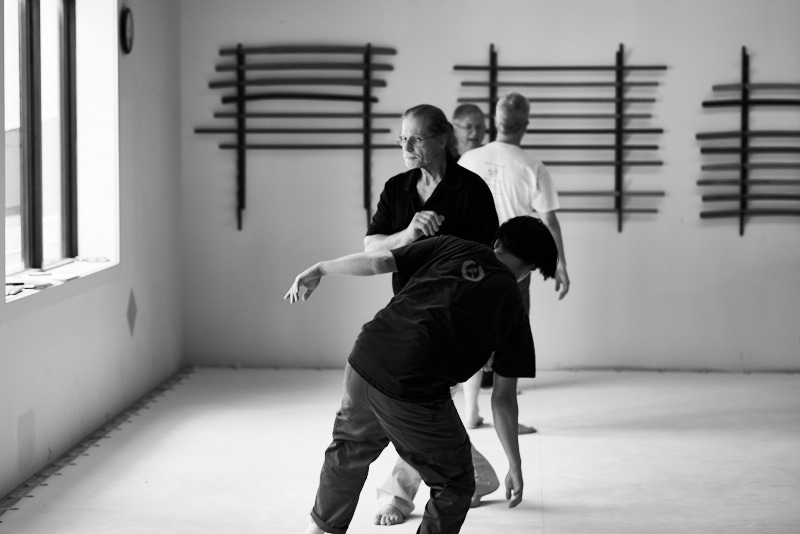
Stages of training and how that relates to internal martial arts principles and the organization of older martial traditions.
Comparing Patañjali’s 8 Limbs with Buddha’s Noble 8-fold path

Last year I began additional training in the union of Yoga and Buddhism offered through Tibet House. A short essay comparing the Astanga of Patañjali with the Buddhist Noble Eightfold path.
Tōsha Dōjō
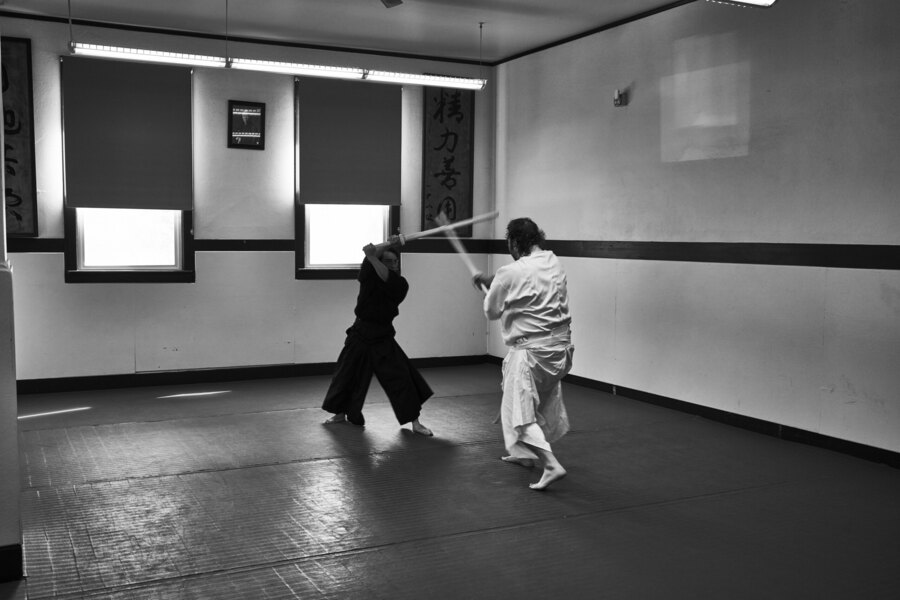
Tōsha Dōjō is a small training activity that meets weekly as part of Lonin League in Seattle and is focused on traditional kata practice and free sparring with armor and shinai.
Kenpō at the Gassankan
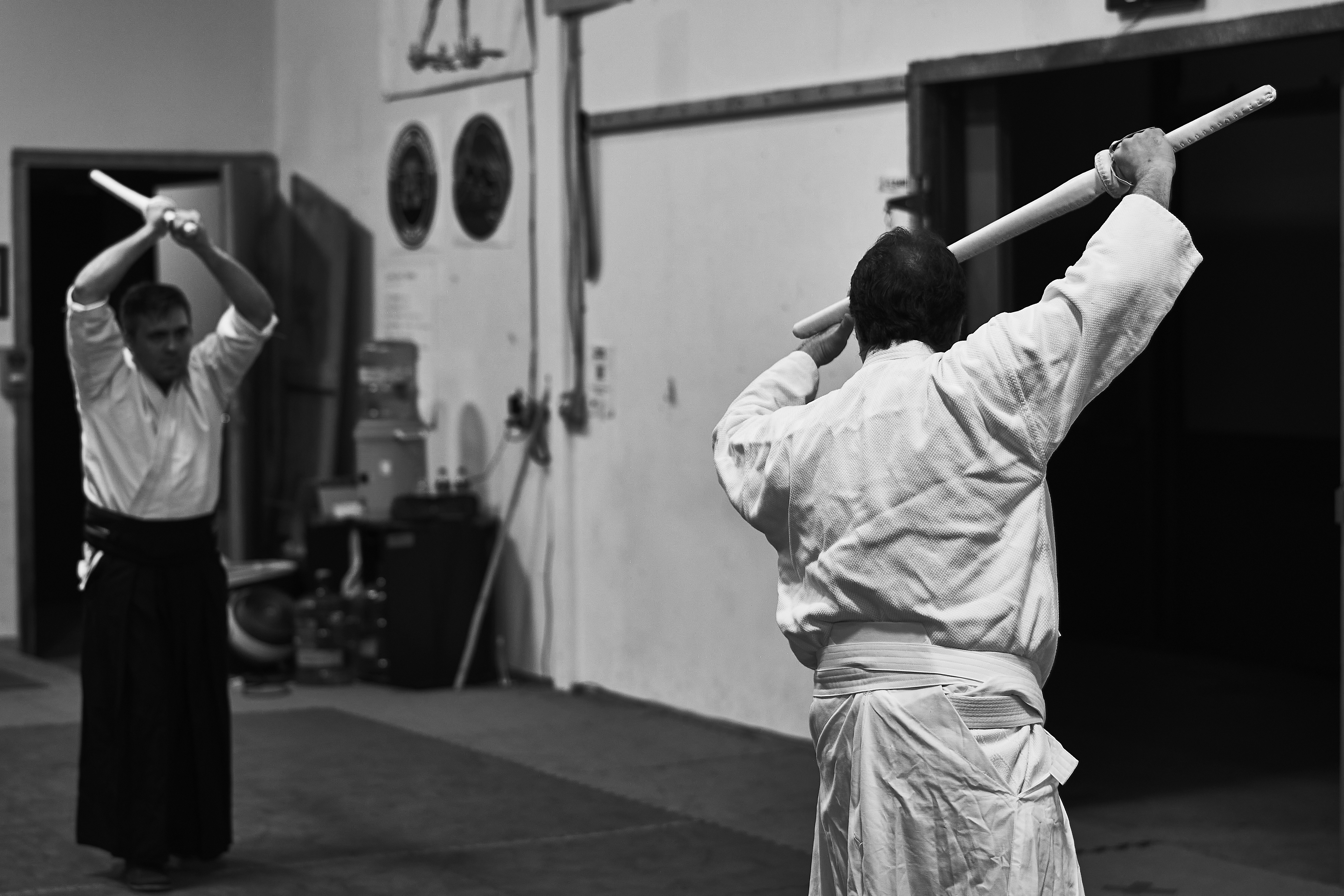
I provide some information on the organization, goals, and overall training context of my efforts at preserving a practice of Jikishinkage-ryū kenjutsu (heihō) and related arts as part of the Gassankan.
YCGF Weapons Practices
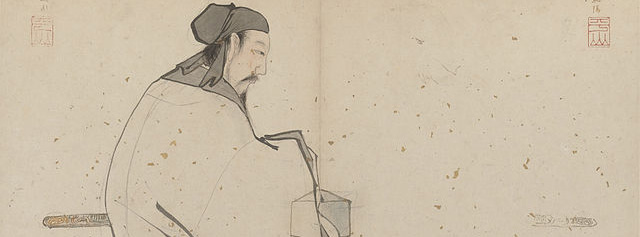
The Tàijí, Bāguà and Xíngyì taught as part of Yin Cheng Gong Fa includes an extensive curriculum of jian (sword), dao (saber), and qiang (spear).
Pressure Testing in Classical Budō
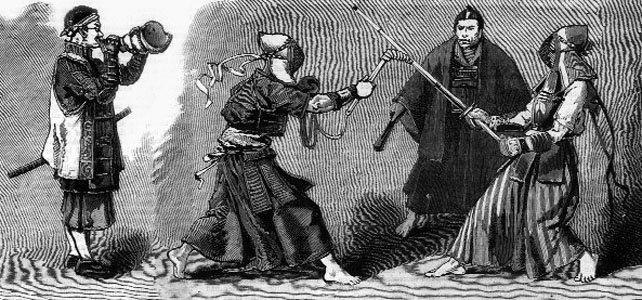
On solo practice, free sparring, entering HEMA competition, and the waning intensity of classical martial arts. Reflections on what it means to keep kenjutsu practice alive.
Gogyō Exegesis

Reflections on a decade of practice in Tenshin Shōden Katori Shintō-ryū and an analysis of what may lie hidden beneath its surface.
Proper Training Intensity in Traditional Martial Arts

A discussion of what constitutes proper training intensity in traditional martial arts.
Tàijí Classics
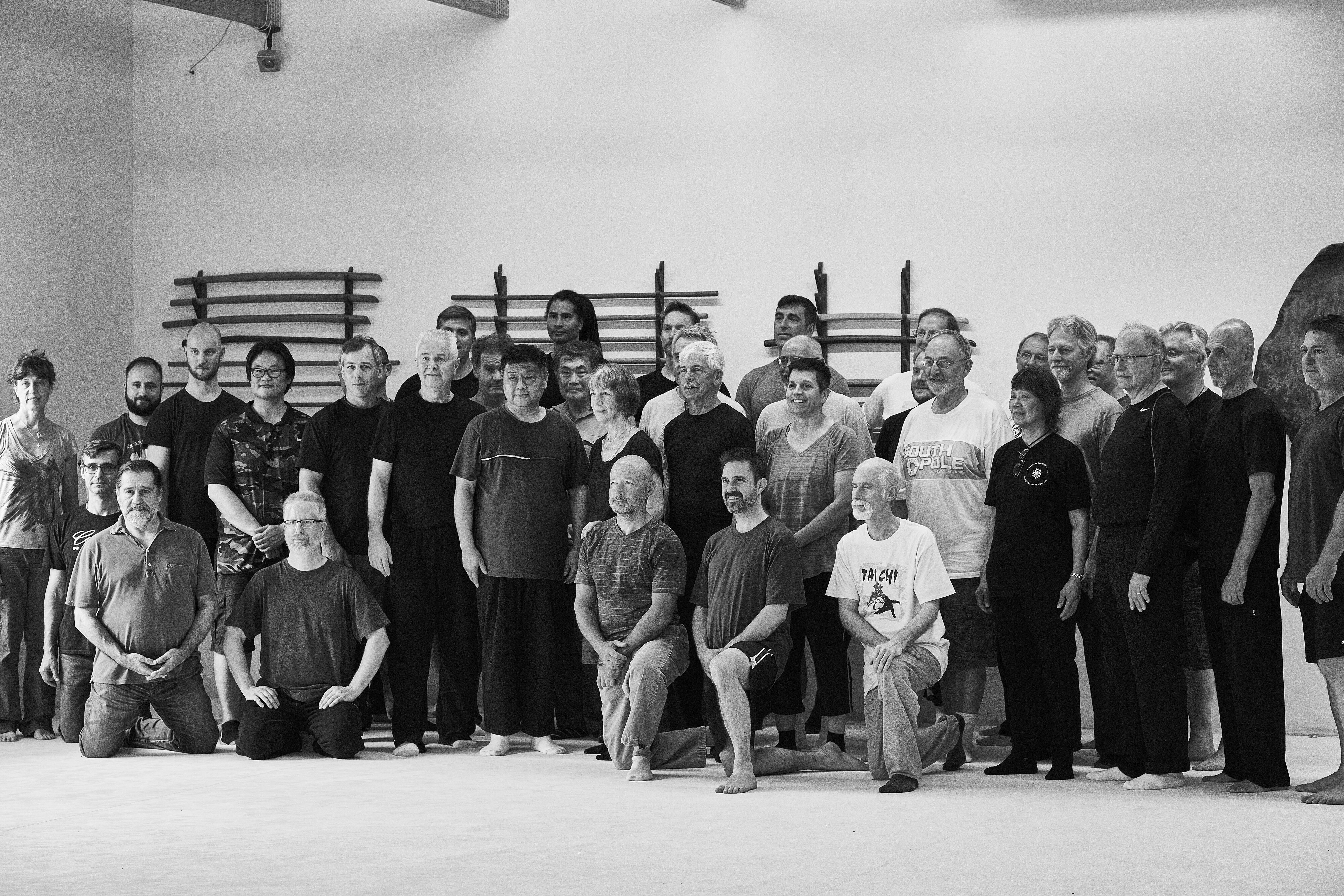
An important translation of the Tàijí Classics has been published. Highly recommended.
Aiki and Internal Training
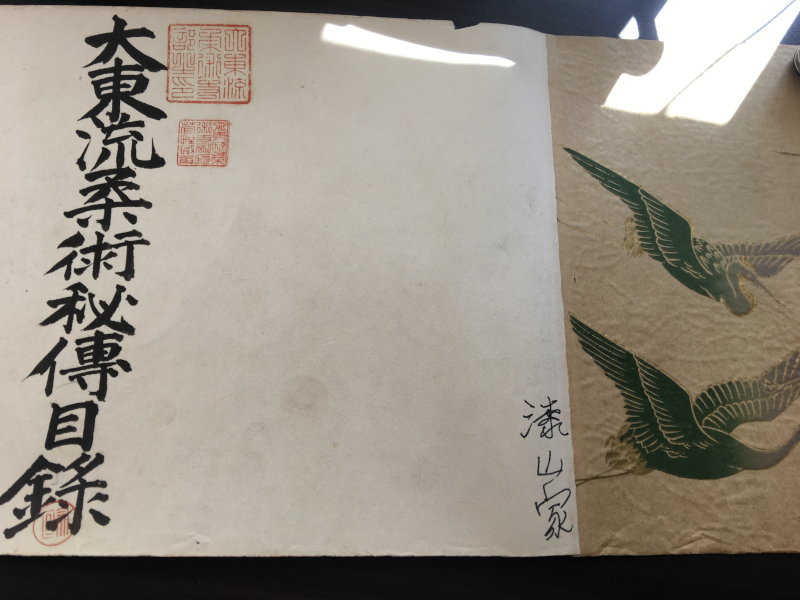
Collected thoughts on the historical influence of Chinese martial arts on Japanese jūjutsu and how they relate to the topic of aiki in Aikidō and Daitō-ryū.
NAMT Night of Budō 2013
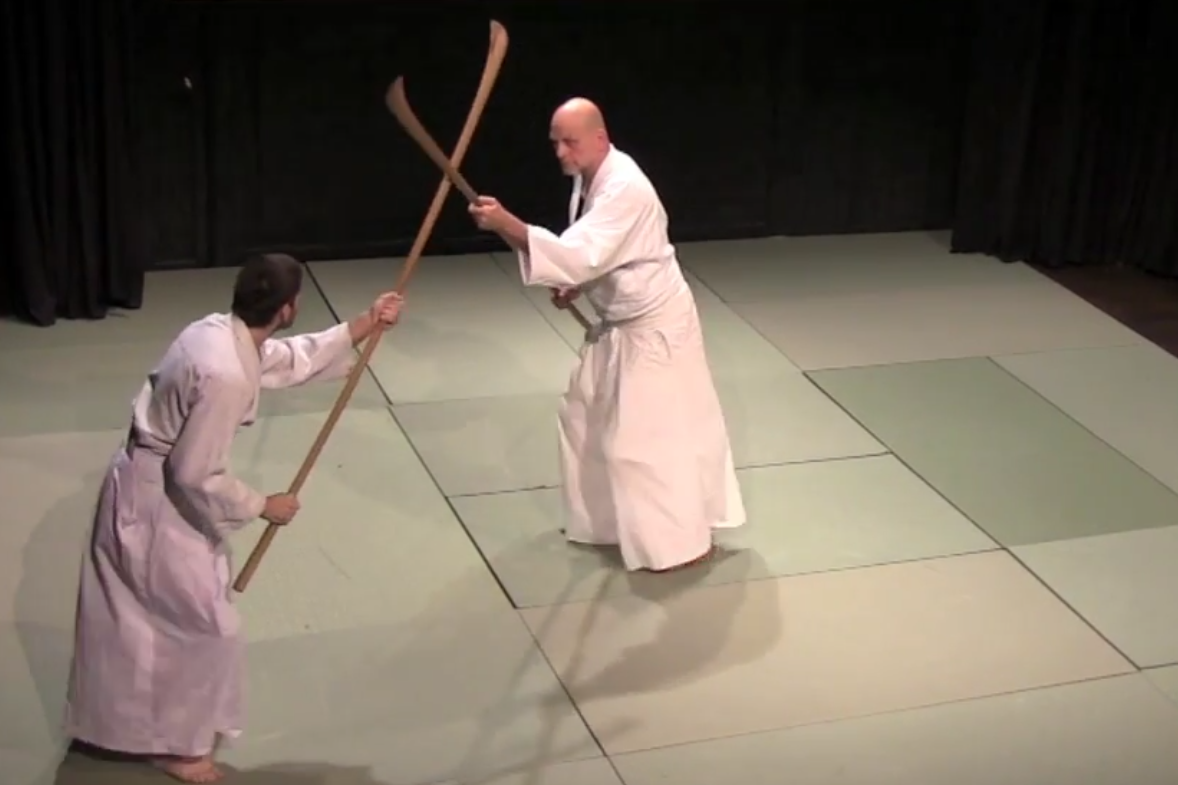
Reflections on a demonstration of Araki-ryū and Tenshin Bukō-ryū at the NAMT 2013 Night of Budo by Ellis Amdur.
On the cultivation of skill
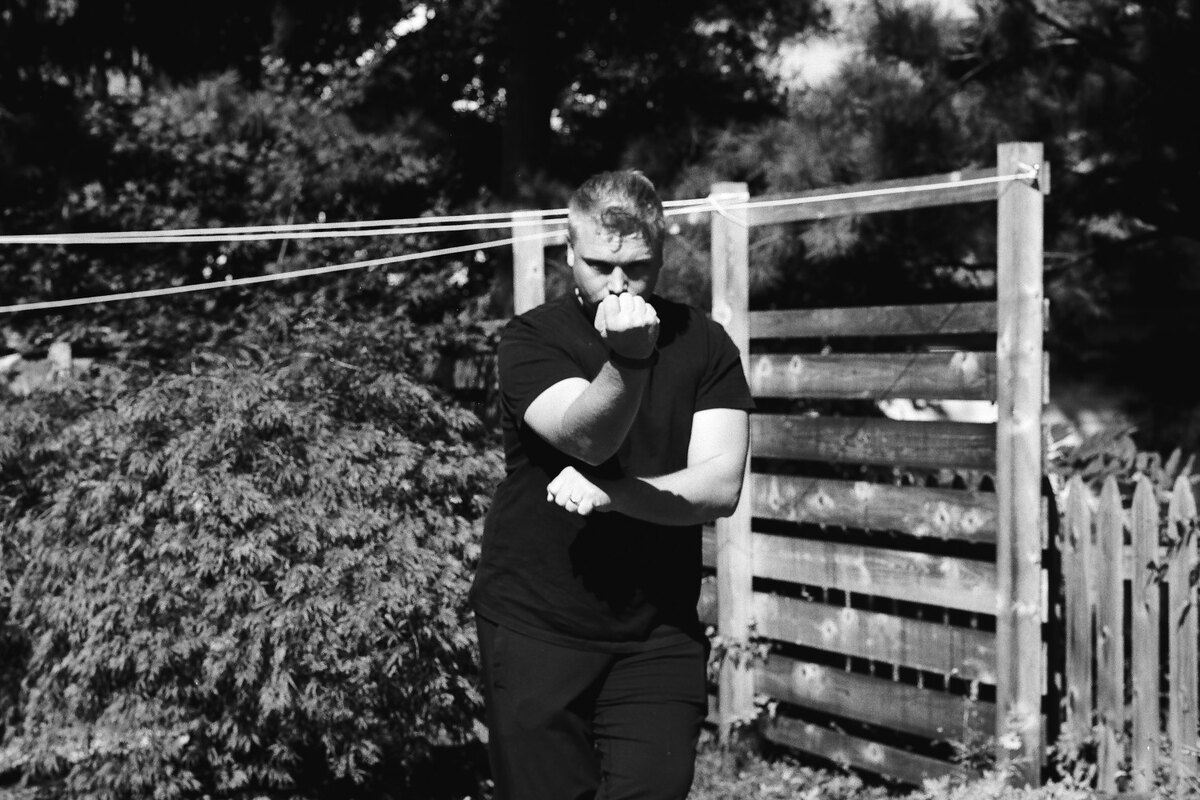
A brief discussion of power generation in internal martial arts.