Inner Dharma began because of my interest in Shugendō, a mountain practice blending aspects of Mikkyō, Daoism, and native Japanese religion.
Shugendō and Heihō
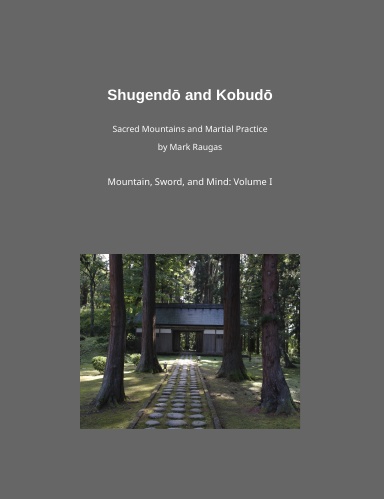
Shugendō and Heihō: Sacred Space and Martial Practice (opens in a new tab), Mountain, Sword, and Mind: Volume I. Inner Dharma, 2026. 407 pages.
In this work we begin by examining the practice of peak entry, discuss the Buddhist ten realms, the concept of tengu and their relationship to gongen, and provide a brief overview of two important early Shugendō figures: En no Gyōja and Rigen Daishi (Shōbō).
We provide an inventory of the tengu and yamabushi-related material in the Bujutsu Sōsho and then discuss historical sacred sites in Japan and the martial traditions attached to them, drawing from the Honchō Bugei Shōden (本朝武藝小傳) and Bujutsu Ryūso-roku (武術流祖錄) and other sources. This includes Kuramadera, Atago, Kashima, Katori, Mt Haguro and Dewa Sanzan, Kumano Sanzan, Udo, and Hikosan.
We then translate Kūkai’s Secret Key to the Heart Sūtra commentary and examine the Shugendō canon’s pantheon, including Mañjuśrī (Monju), Fudō Myōō, the Five Wisdom Kings, Zaō Gongen, Sanbō Kōjin, Māra, Marishiten, Mahākāla (Daikoku) and Bishamonten. We close with a discussion on military Shugendō including the kuji (nine syllables), goshinhō (protective rites), and the concept of the diamond (vajra) body.
Volume II, Mikkyō, Zen, and Daoist Sources in Shinkage-ryū, is described with the other writing on Shinkage heihō.
Essays and Articles
Excerpts from the book and other writing on Shugendō, esoteric Buddhism, Daoism, and Yoga.
Kūkai’s Secret Key to the Heart Sūtra
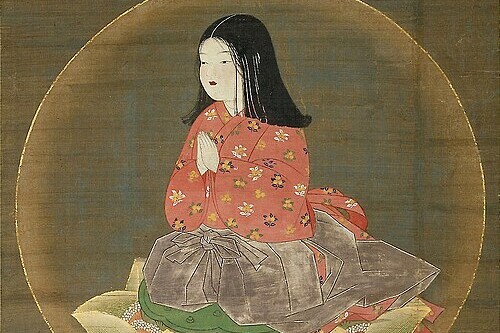
A working translation of Kūkai’s Hannya-shingyō hiken (般若心經祕鍵, 818) — the esoteric reading of the Heart Sūtra as the mantra-samādhi of Prajñā Bodhisattva, divided into five sections each keyed to a bodhisattva.
Haguro Shugendō
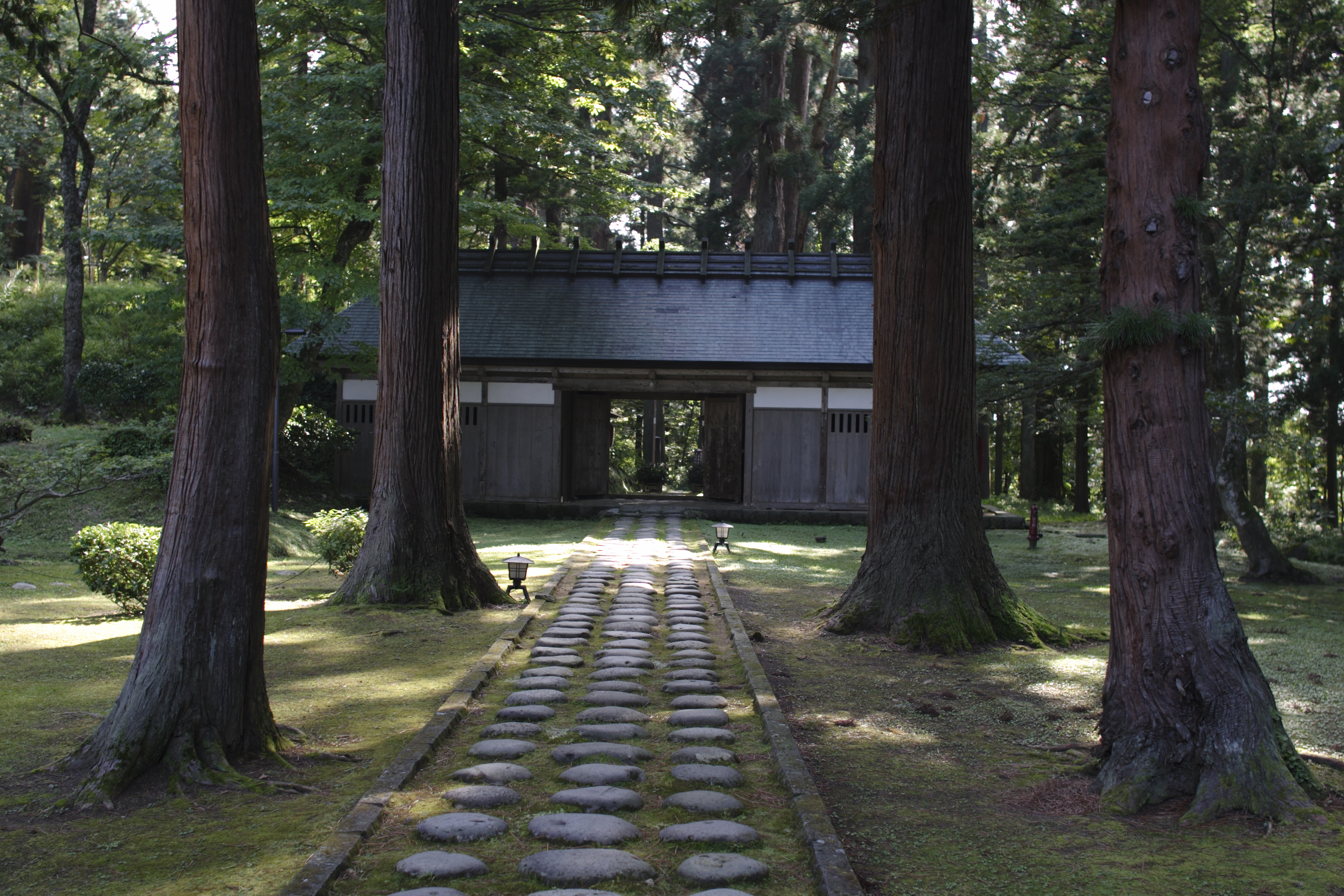
Haguro Shugendō, its Tengu and Gongen, and the Dewa Sanzan area. An excerpt from ‘Shugendō and Heihō’.
Taisha-ryū, Denrinbō Raikei, and Hikosan Shugendō
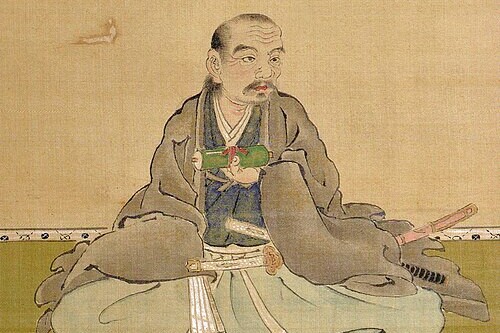
Ming Chinese master of Taisha-ryū and Shugendō practitioner. Some contrasts between Hiko Shugendō and Dewa Shugendō and a digression to a famous school of sword smiths.
A-Un, Gogyō, Godai and Beyond
A brief discussion of the seasonal mappings of kata in Jikishinkage-ryū kenjutsu and how those relate to Daoist complementarity, five phase theory, and partially to Mikkyō concepts.
Comparing Patañjali’s 8 Limbs with Buddha’s Noble 8-fold path

Last year I began additional training in the union of Yoga and Buddhism offered through Tibet House. A short essay comparing the Astanga of Patañjali with the Buddhist Noble Eightfold path.