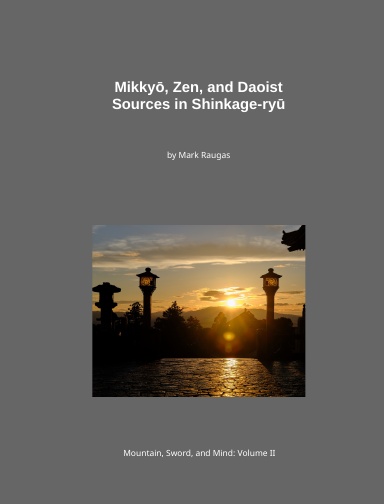
Mikkyō, Zen, and Daoist Sources in Shinkage-ryū: Reading the Heihō Kadensho, Tsuki no Shō, Honshiki Sanmondō, and Shinpishō (opens in a new tab), Mountain, Sword, and Mind: Volume II. Inner Dharma, 2026. 422 pages.
Mountain, Sword, and Mind is a two-volume set examining how mountain asceticism relates to older martial traditions from Japan. The first is centered around Shugendō practice, its sacred sites and the martial traditions attached to them. The second, this volume, examines the Mikkyō, Zen and Daoist influences on early 17th-century Yagyū Shinkage-ryū writings and includes new translations of source material.
We examine core Yagyū-ryū writings from the 17th century, including the Heihō Kadensho of Yagyū Munenori and the Tsuki no Shō of Yagyū Mitsuyoshi, which records oral teachings (kuden) of Munenori and writings of Sekishūsai. For completeness, we provide new translations of several works by Takuan, including the Taiaki and Fudōchi Shinmyōroku.
The gokui of Yagyū Shinkage-ryū at the time are examined in relation to Zen and Mikkyō concepts. We then provide an overview of early Owari Shinkage Yagyū-ryū and the changes introduced into its curriculum, examine the gokui concept of seikōsui in the Honshiki Sanmondō of Kimura Kyūho (senior student of Yagyū Munenori who was given the name Unchū-ryū), examine the Edo Yagyū-ryū Shinpishō of Sano Yojizaemon, and compare to surviving Kyūshū area Shinkage-ryū densho. The Later Tradition also includes a translation of the Sotomono of Nabeshima Naotomo, a Shinkage-ryū text on military strategy from 1705.
Introduction · The Heihō Kadensho · The Tsuki no Shō · Takuan · The Later Tradition
Introduction
Before Heaven and Earth
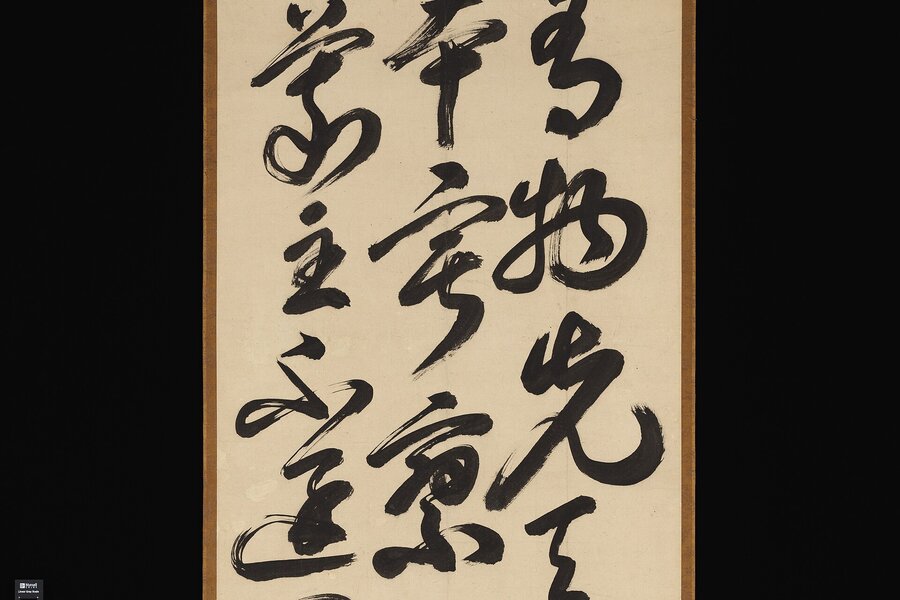
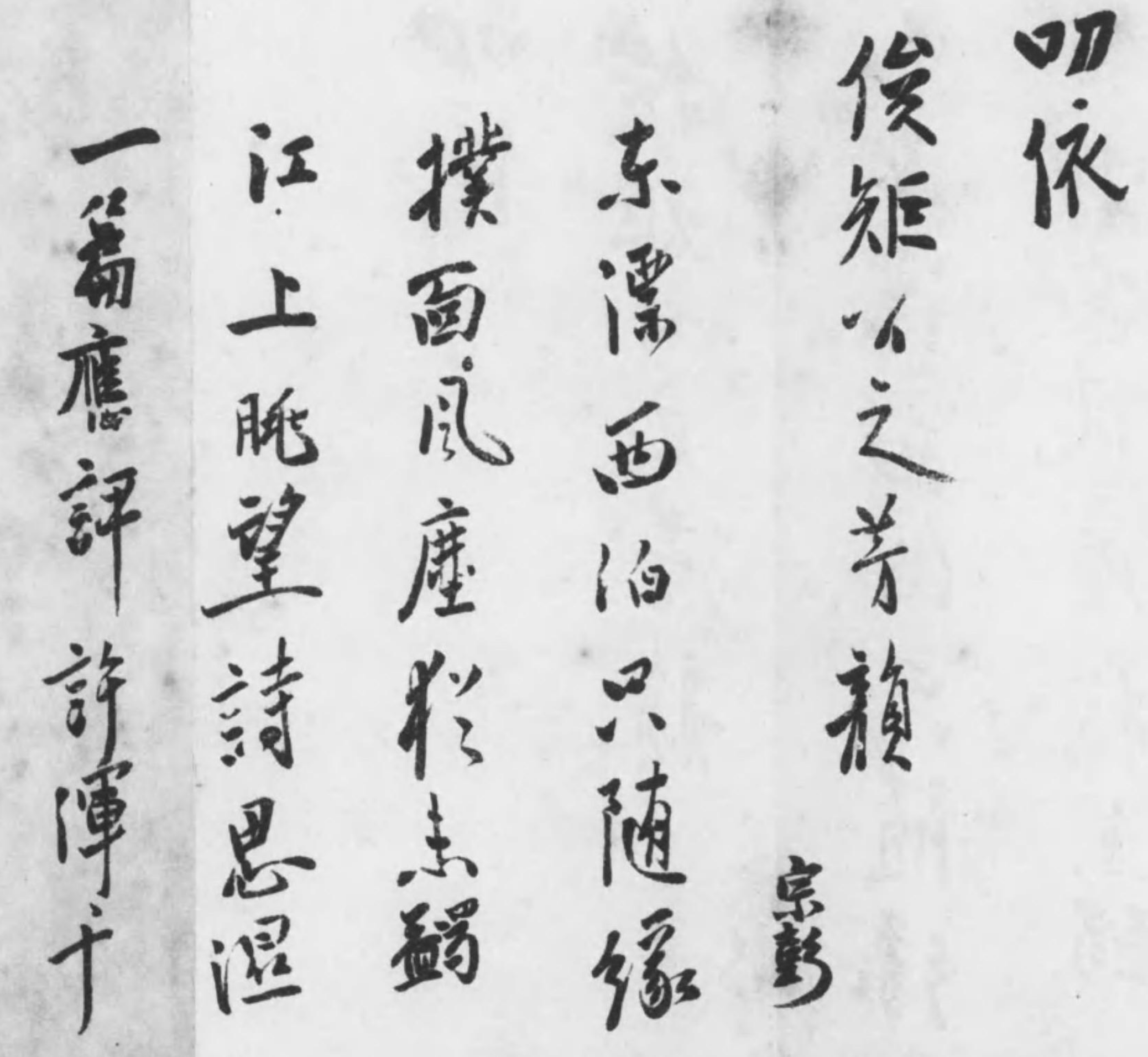
Fù Dàshì’s four-line Chan gāthā, Before Heaven and Earth, the epigraph that opens the monograph.
The Yagyū in the Gekiken Sōdan
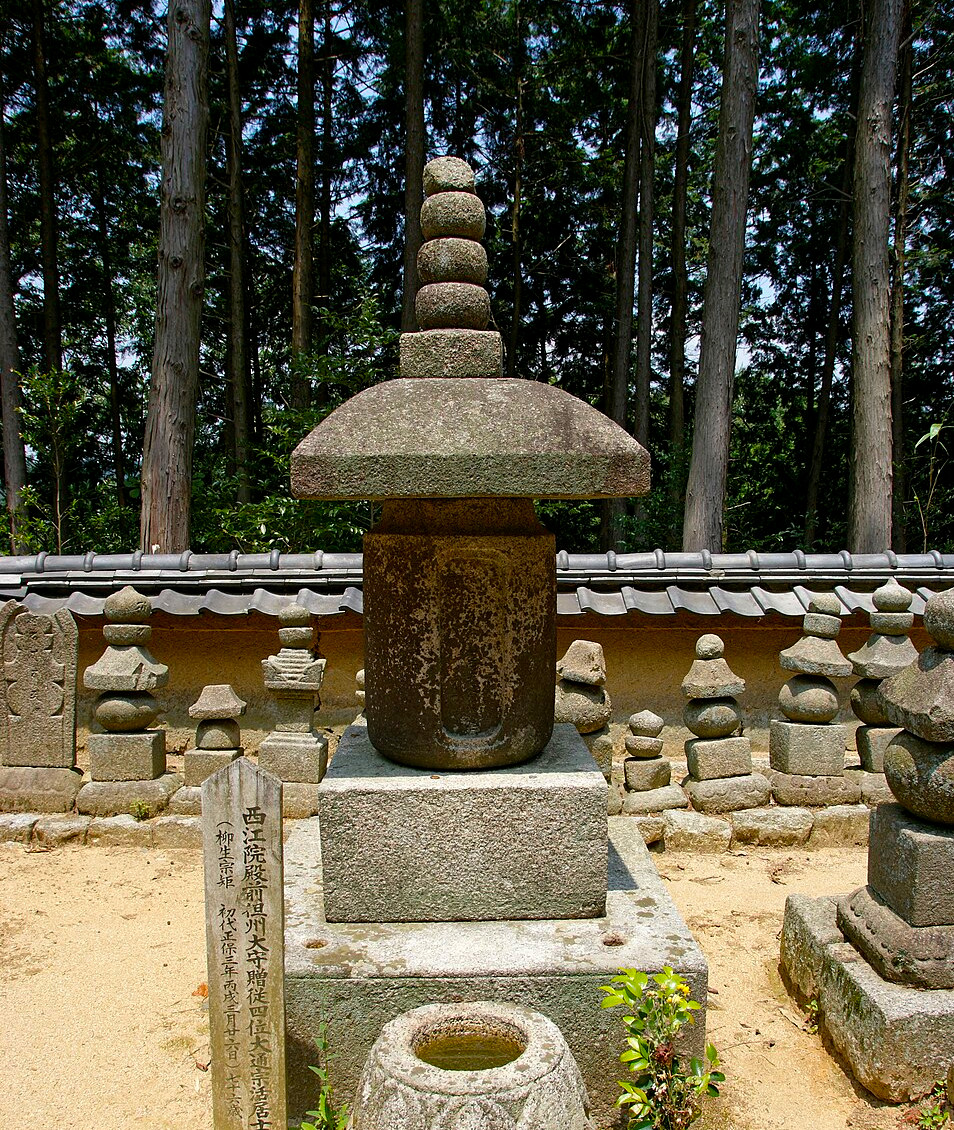
The Yagyū house as an eighteenth-century swordsman saw it: Mikami Genryū’s 1790 Gekiken Sōdan on Munenori, Gorōuemon and Jūbei Mitsuyoshi, the succession, and the moon dōka.
The Heihō Kadensho
Introduction to Fukui 1937 volume 2
Volume two of Fukui’s work on the Tokugawa houses focuses on the Yagyū Daimyo and has four parts, three of them from the Yagyū transmission of Shinkage-ryū.
The Death-Dealing Sword
The first scroll of the Heihō Kadensho: the Preface to the upper volume and §§1–30, closing with the 奧書一 transmission colophon.
The Life-Giving Sword
The second scroll of the Heihō Kadensho (卷第二 活人劔): §§31–51.
The No-Sword Scroll
The third scroll of the Heihō Kadensho (卷第三 無刀之卷): §§52–62 and the closing colophons.
The Tsuki no Shō
Opening
An orientation to the Tsuki no Shō, Yagyū Mitsuyoshi’s running annotation of the transmission he received from Munenori and Sekishūsai, and its front matter: the naming preface, the literary-Chinese preface and the index.
Curriculum and Transmission
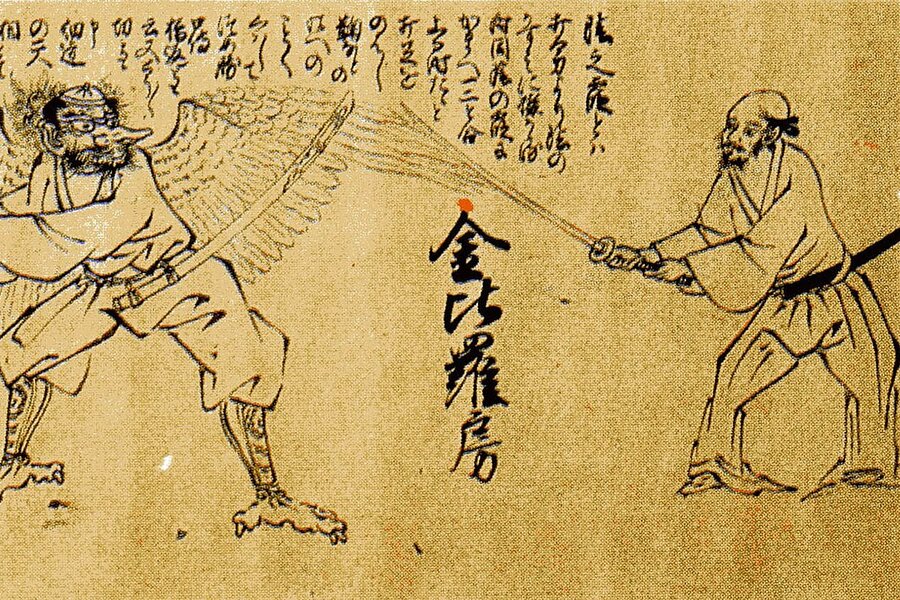
Mitsuyoshi’s notes on the inherited kata curriculum — the Enpi, Sangaku-en, Kūka and Tengushō sets and the six innermost swords that culminate in the shinmyōken — and the shuji-shuriken cluster.
Foundations
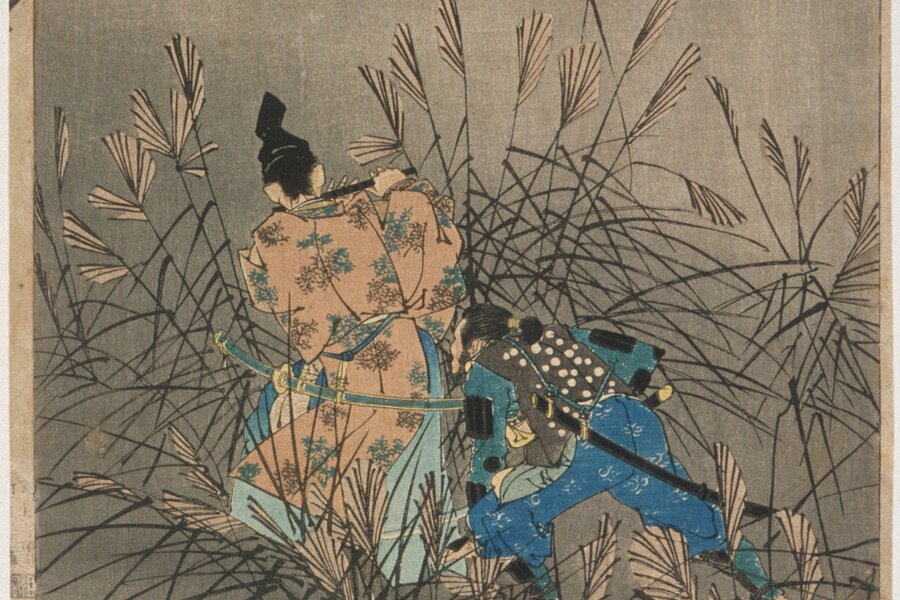
Metsuke, kurai, hyōshi, fūsui, and ken-tai-yū. The three gazes (二星・嶺谷・遠山), the five body-positions, the modes of seeing and engaging, kurai (位), and the rhythm and tempo gokui — 紅曲, 無曲, 大小拍子, 唱歌 and the near-and-far — as the Tsuki no Shō sets them out.
The Gokui
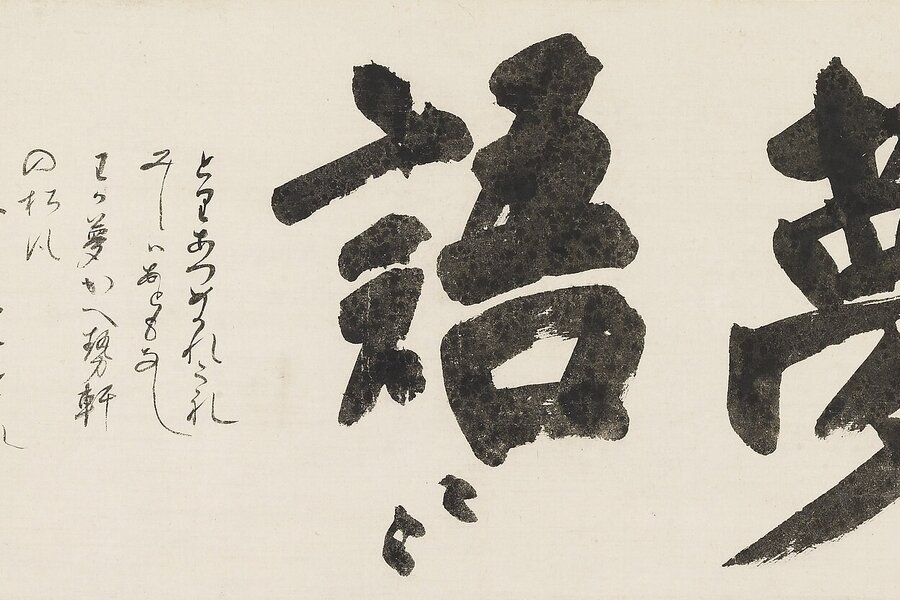
The doctrinal frame of the Tsuki no Shō gokui: the Manura-gāthā, Takuan’s exposition of Yogācāra recorded by Mitsuyoshi, and the school’s naming legend of shuji-shuriken, suigetsu and shinmyōken.
Introduction · 地 · Shuji Shuriken · 水 · Suigetsu · 火 · Shinmyōken · 風 · Byōki · 空 · Void · 識 · Seikōsui
Initiative and Practice
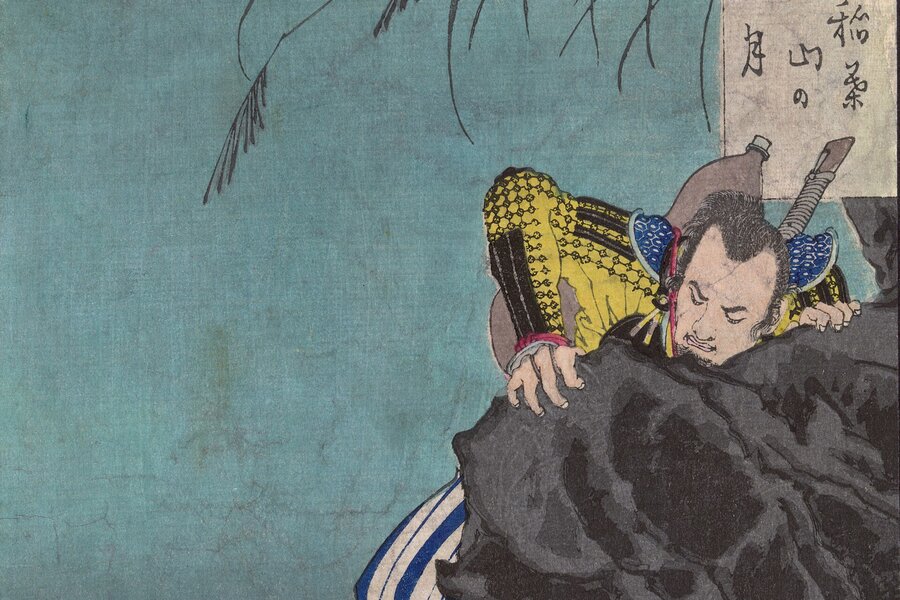
The teachings on seizing the initiative — including Munenori and Takuan’s answer to the shogun Iemitsu, the parable of the fly on the paper screen — then no-mind and no-sword, practice and transmission, and the short sword.
Hibiki, Menkage, Ki, Hyōri, Kizen
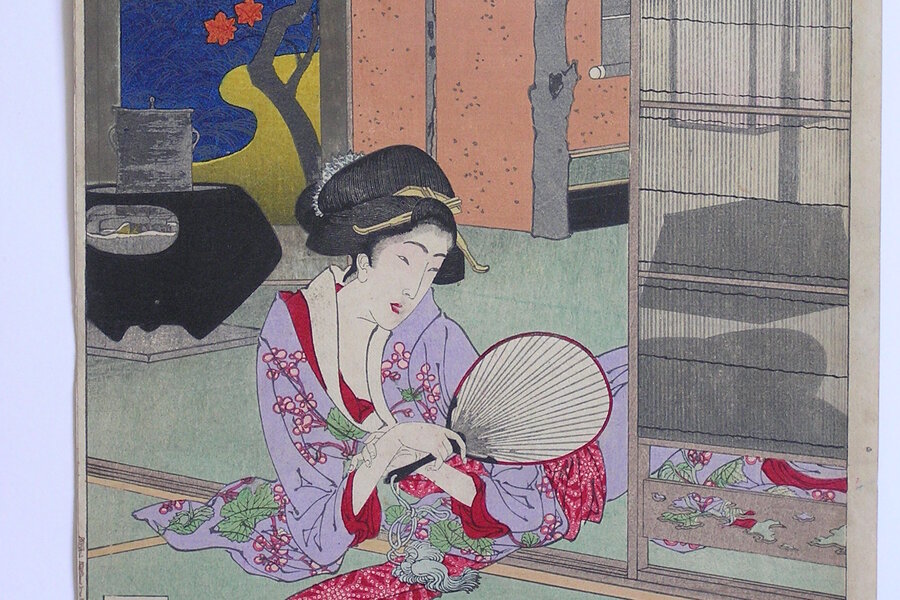
Matching and resonance (合スル・響), the reflected image (面影), where the ki and the mind are placed, and the deception and pre-trigger gokui (表裏・機前) — with two findings that bear on the import fingerprint.
Closing
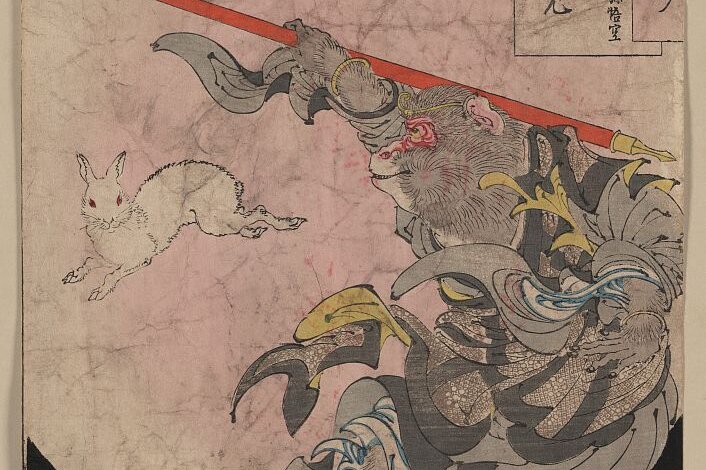
The closing pages: the final mind-set entries, Takuan’s story of the school’s origin in Aisu Ikōsai’s cave revelation, the nine-syllable rite, the West River, the transmission oath and Mitsuyoshi’s 1642 colophon.
Takuan
Drifting East, Mooring West
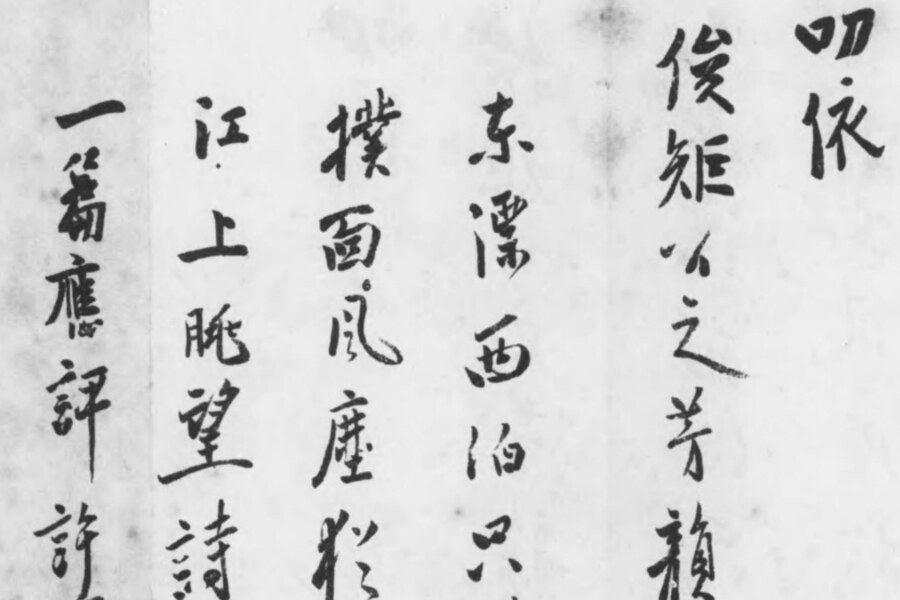
A short translation of a matching-rhyme quatrain, brushed on a slip and bound into the front matter of the 1898 Takuan Zenshū, likely by Takuan, that turns on Zen imagery of drifting with conditions and remaining untouched by the world.
The Taiaki
An original translation of Takuan Sōhō’s Taiaki (太阿記) from the kanbun of the Bujutsu sōsho (1915), with reading and notes drawing on that edition’s Edo vernacular commentary.
The Fudōchi Shinmyōroku
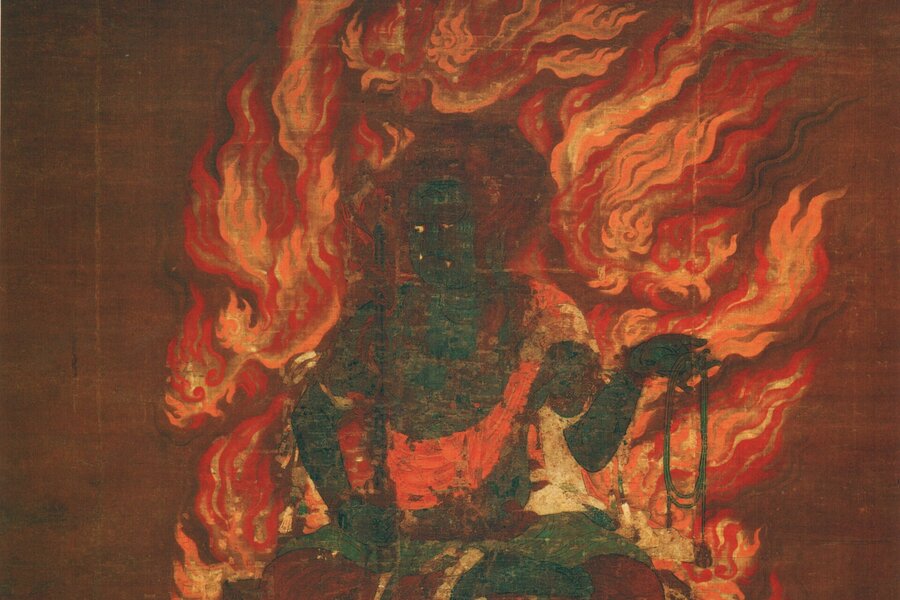
An original translation of Takuan Sōhō’s letter to Yagyū Munenori — The Fudōchi Shinmyōroku (不動智神妙録; ‘The Marvelous Record of Immovable Wisdom’) — from the Meiji Takuan Zenshū witness, read against the Tsuki no Shō. A companion to the Taiaki.
The Later Tradition
Owari Shinkage Yagyū-ryū
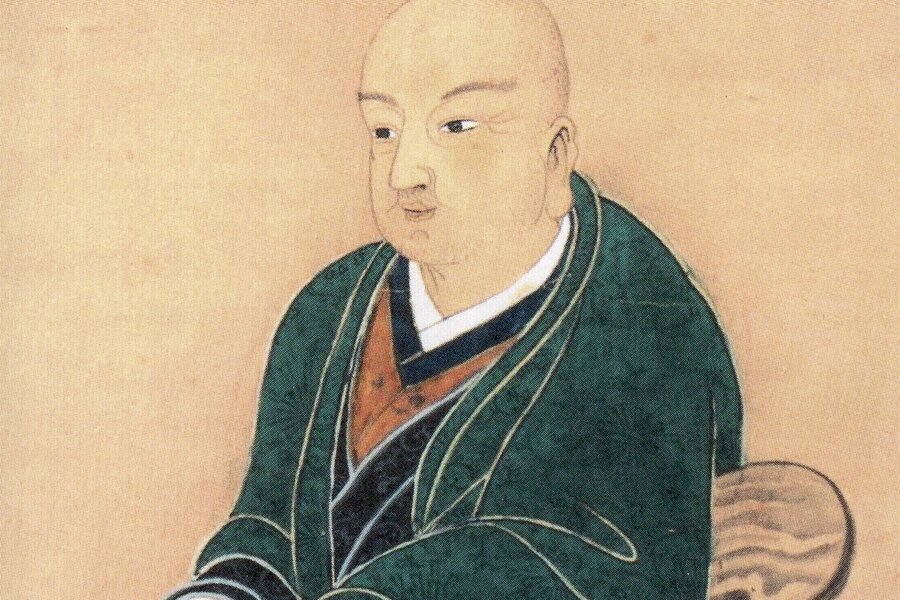
Katō Jun’ichi’s two studies of the Owari line of Yagyū Shinkage-ryū: how it took shape as Shinkage Yagyū-ryū (1989) and how its sword methods shifted from armored to unarmored practice (1990); then some cognate arts.
Seikōsui in the Honshiki Sanmondō
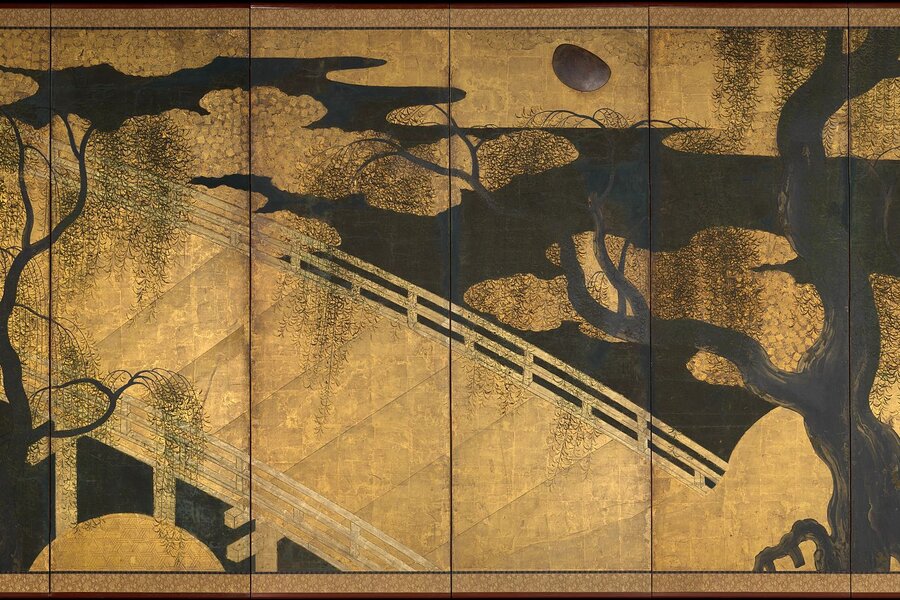
The West River water (西江水) as the apex teaching of Edo Yagyū Shinkage-ryū, from the Honshiki Sanmondō (本識三問答) in the Bujutsu sōsho — with the willow image, the ‘swallow in one gulp’ waka, the 無刀 identification and the syncretic gloss equating 西江水 with 空理/天理/本來の面目/明德.
Unchū-ryū
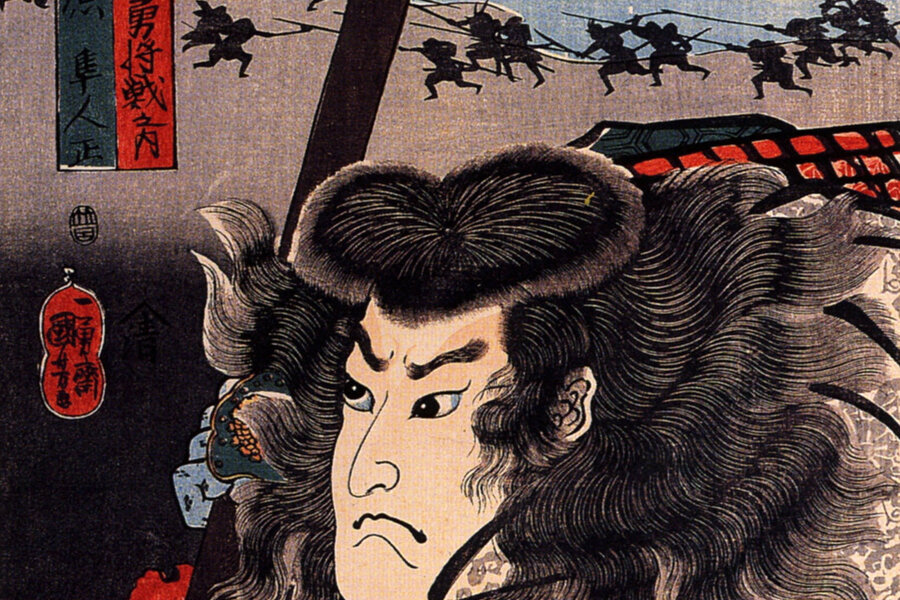
An Unchū-ryū (運籌流) spear document from Itō Kii Nyūdō Suketada’s teaching in Ōshū, which added kenjutsu over time; Unchū-ryū was a name used by non-family students of early Edo Yagyū.
The Edo Yagyū-ryū Shinpishō
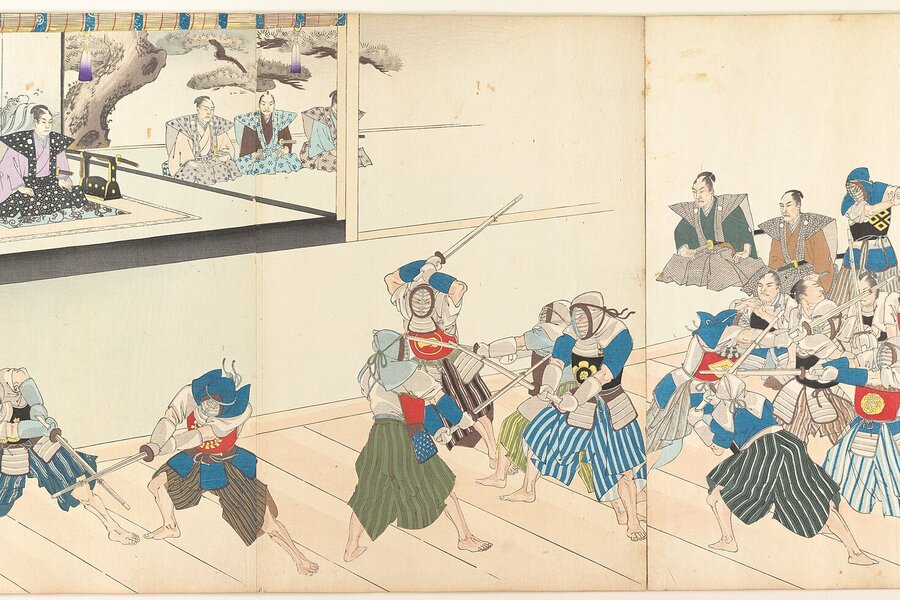
We examine the 1915 Bujutsu sōsho (武術叢書) (images 159–166, printed pp. 297–312) content, where Sano Kanai (佐野嘉内), uji Minamoto, imina 勝舊 (reading unestablished), later tsūshō (1721) Sano Yojizaemon (佐野與次左衞門) provides a later window on the Edo line of Yagyū.
Shinkage-ryū in Kyushu
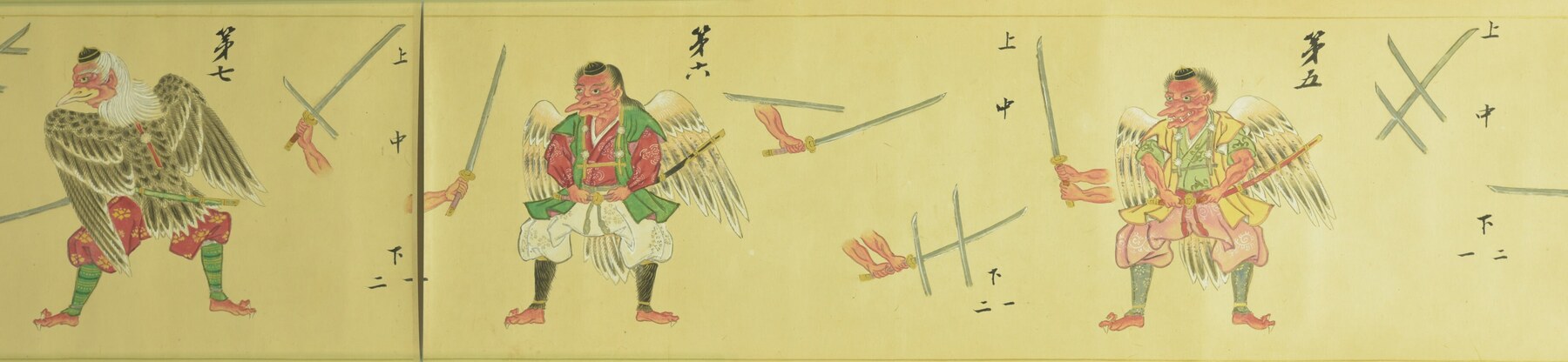
The Kyushu area Shinkage-ryū densho and the Tsuki no Shō of Yagyū Mitsuyoshi both provide descriptions of gokui and kuden level Shinkage-ryū teachings, the first in the form of makimono that list topics and the second in commentary by Mitsuyoshi.
The Shinkage-ryū Sotomono of Nabeshima Naotomo (1705)
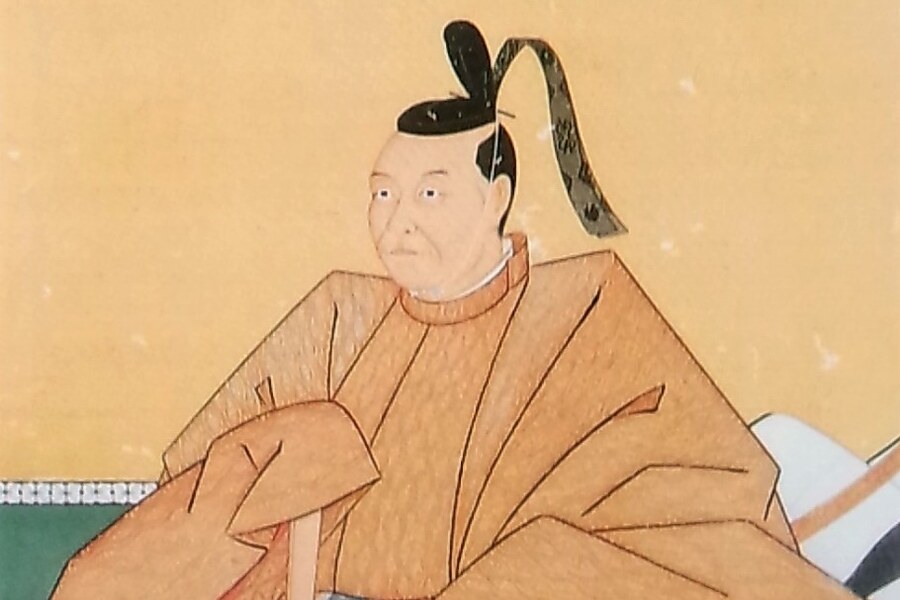
We provide a translation of a text on military strategy by Nabeshima Naotomo, as related to Yamazaki Jinzaemon in 1705 when Nabeshima was ninety years of age. From Fukui 1937’s multi-volume work on the Tokugawa.
Yamada Ippūsai Mitsunori (opens in a new tab)
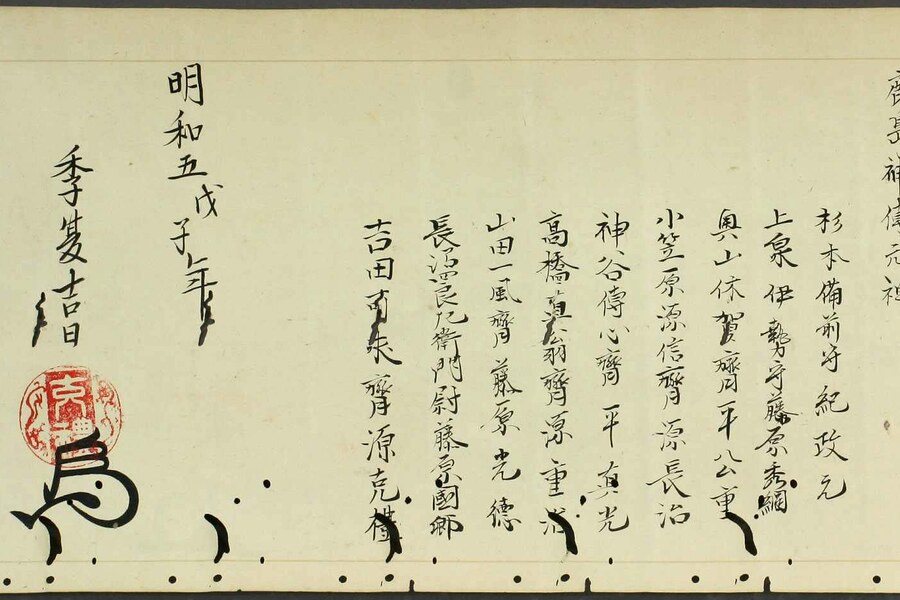
Yamada Ippūsai Mitsunori (山田一風斎光徳) studied Jikishin Seitō-ryū as a youth and then studied Yagyū Shinkage-ryū heihō in a faction of the Edo line of that art. Later in life he returned to his first training, and eventually inherited that line of practice.