Kashima-shinden Jikishinkage-ryū (opens in a new tab) (鹿島神傳直心影流) is the school of Japanese swordsmanship train inf — it is a focal point of my continued practice and research. I studied at the Hōbyōkan dōjō under Dr. David Hall, which preserves a practice of that art as taught by Namiki Yasushi and Itō Masayuki in the early 1980s. Since 2018 I have mentored a small group in Seattle that works on the study and analysis of the traditional kata of Jikishinkage-ryū. In 2026 I reconnected with the inheritors of the line of practice my teacher studied with in Japan to further deepen my understanding.
The Correct Shinkage-ryū: Volumes I and II
In 2025, my kenjutsu instructor passed away suddenly. Later that year, I started collating and expanding my writing on Jikishinkage-ryū (opens in a new tab) kenjutsu, which resulted in my first book, which I dedicated to his memory. Its sequel examined the history of the late Tokugawa martial institution called the Kōbusho, its instructors, and how kenjutsu evolved into the Meiji era in the institutions that followed it.
Volume I: The Truth of the Calm Spirit
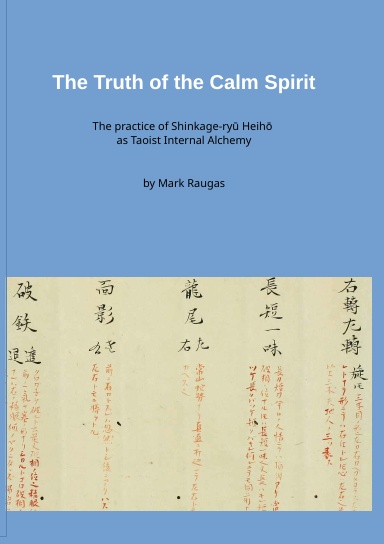
The Truth of the Calm Spirit (opens in a new tab), Inner Dharma, 2025. 368 pages. An examination of the practice of Jikishinkage-ryū kenjutsu through the lens of internal martial arts.
This work contains my research and notes on Jikishinkage-ryū through the end of 2025, including a summary of its early history, including the travels of Ogasawara Genshinsai to Ming China, its kata, and descriptions of its philosophical content drawn from available Japanese language scholarship and library holdings. Its title is inspired from an earlier name of the art used by Ogasawara Genshinsai: Shin (True) no Shin (Spirit) In (Calm/Still/Yin) Heihō.
Contents Includes: Introduction (Origin Myths, Broader Context of Transitional Arts, Free Practice), Lineage, Philosophical Context (A-Un Kokyū and Shunkashūtō, Unpō, Kiai, Kuraidori), Kata (Hōjō, Tō no Kata, Kodachi, Habiki, Older Kata), Advanced Matters (Koto, Gokui), and the Ryū no Maki.
This work was revised in May 2026.
Volume II: From the Kōbusho to the Butokukai
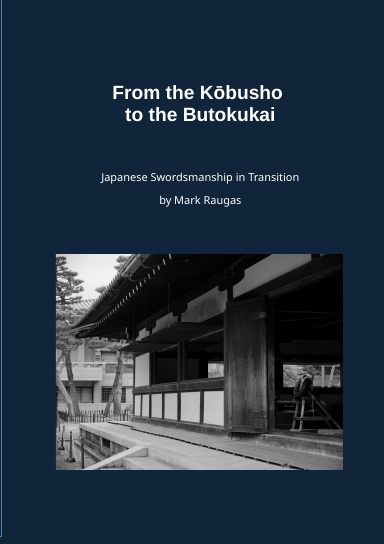
From the Kōbusho to the Butokukai: Swordsmanship in Transition (opens in a new tab), Inner Dharma, 2026. 402 pages. The late Edo period Kōbusho, the martial academy of the Tokugawa, its swordsmen and their styles, and the institutions that followed it into the modern era.1
The work covers over 20 traditions and 45 practitioners from this time period.
In this work, I examine details of many late Edo practitioners of Jikishinkage-ryū, the bakumatsu Kōbusho many of them taught at, and important traditions that had lasting impact as Japan modernized, including important 19th and 20th century Japanese martial figures.
The Kōbusho itself ran roughly a decade. Preparations began in 1854 (Ansei 1) under the rōjū Abe Masahiro after Perry; it was formally opened as the Kōbusho in the 4th month of 1856 (Ansei 3) at Tsukiji Teppōzu, with master-instructors and kyōju-kata appointed in swordsmanship, spearmanship and gunnery, and with archery, jūjutsu and swimming also being taught. Kōbusho trainees were selected from skilled martial artists drawn from the hatamoto, gokenin, and the domains.
A selection of the practitioners and the schools I discuss in the book can be read here: selected kenshi and selected ryūha. The records for all of them are also available on GitHub as the kobudo-register (opens in a new tab), for ease of access and search, instead of maintaining complete indices here.
Essays and Articles
Excerpts from the books above, as well as later research on the Bakumatsu martial world, can be found below.
A-Un, Gogyō, Godai and Beyond
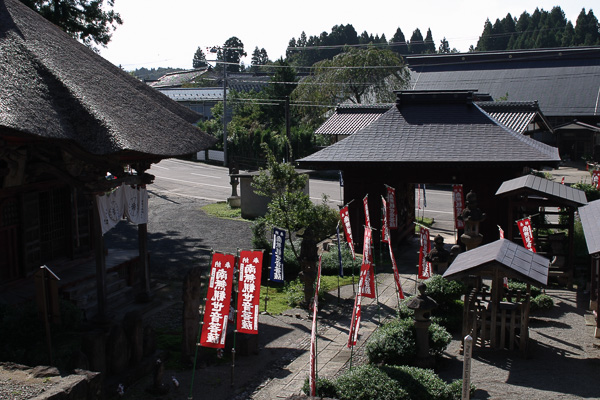
A brief discussion of the seasonal mappings of kata in Jikishinkage-ryū kenjutsu and how those relate to Daoist complementarity, five phase theory, and partially to Mikkyō concepts.
Late Ming Chinese Influence on Ogasawara Genshinsai
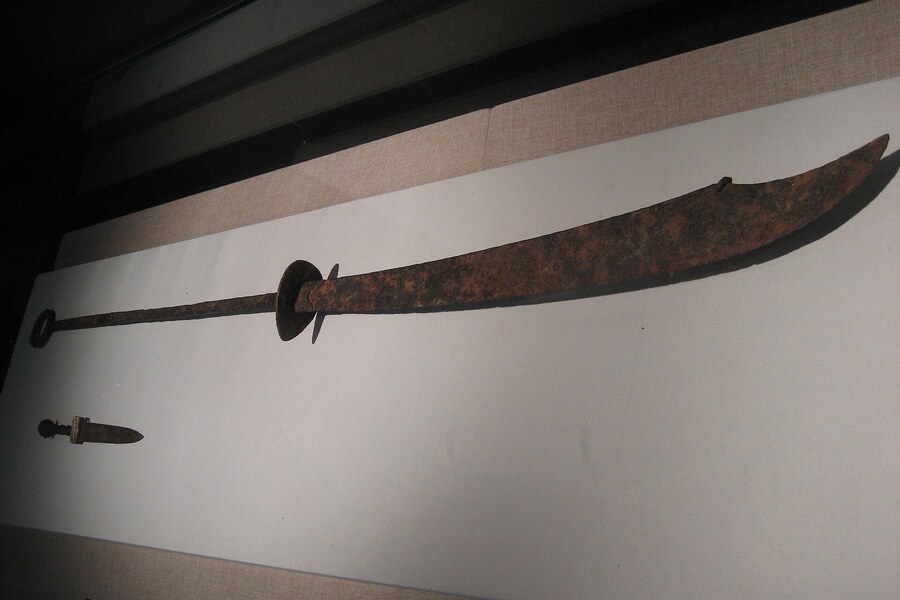
The writings and practice of Ogasawara Genshinsai, his travels in late Ming China, and what Wú Shū’s 1662 preface shows about the direction of sword transmission between Japan and China.
Kodachi: The ura of Hōjō
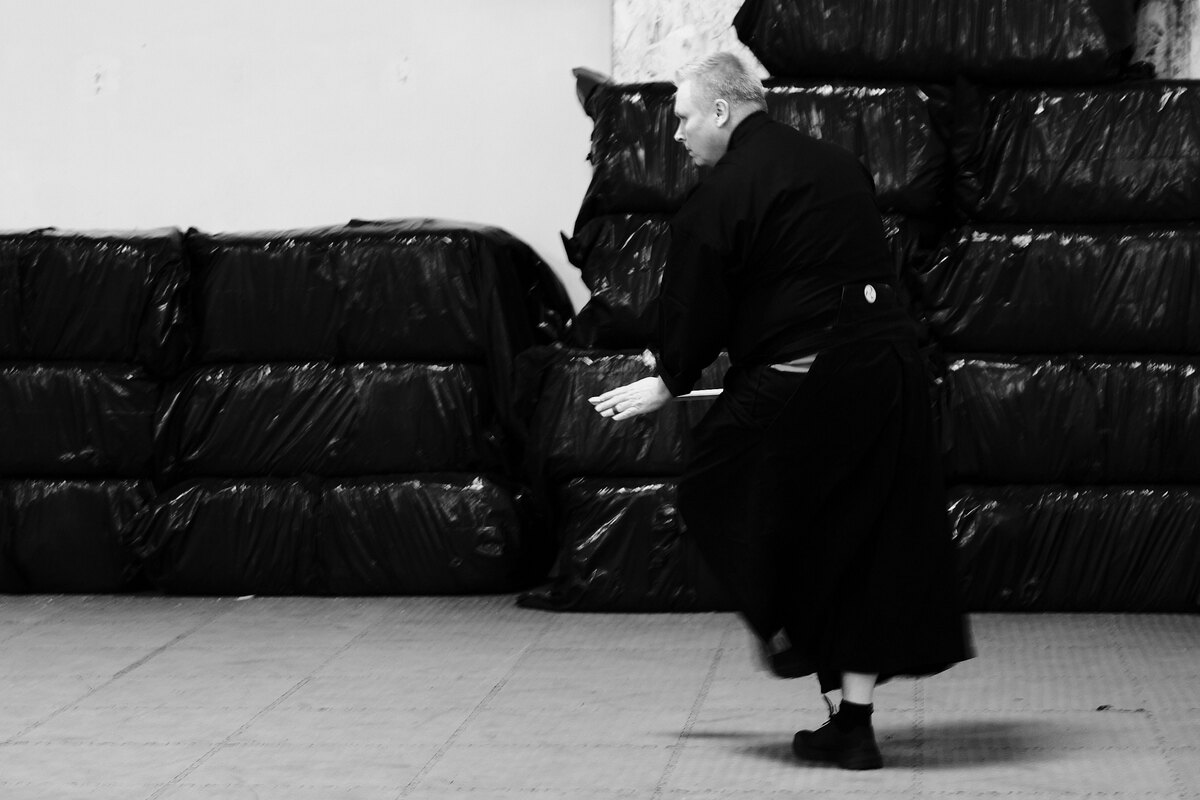
Discussion of kodachi and habiki practice in Jikishinkage-ryū Seitō-ha as informed by an examination of Saitō Akinobu (1901) Gokui Kyōju Zukai, explaining brief oral teachings.
Eight Phases and Eight Extremes
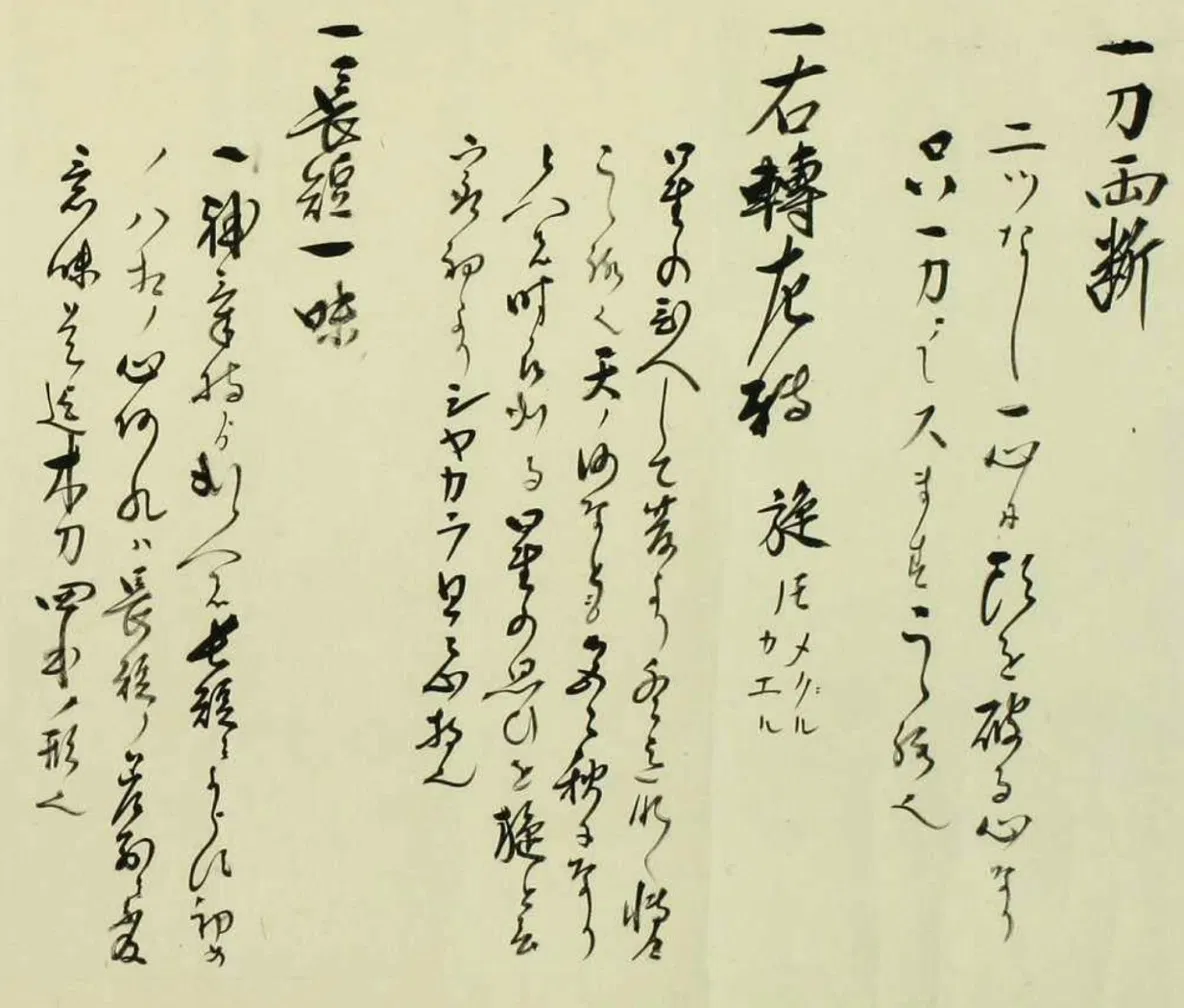
Detail of Hassō Happa from the 1800 Kashima-shinden Jikishinkage-ryū Hōjō densho of Naganuma Tadasato, copied by Ogawa Yashichi, its place in Hōjō swordsmanship, and how the eight phases may relate to the eight extremes of Daoist Huainanzi geography.
Fixed measurement and the three accordances
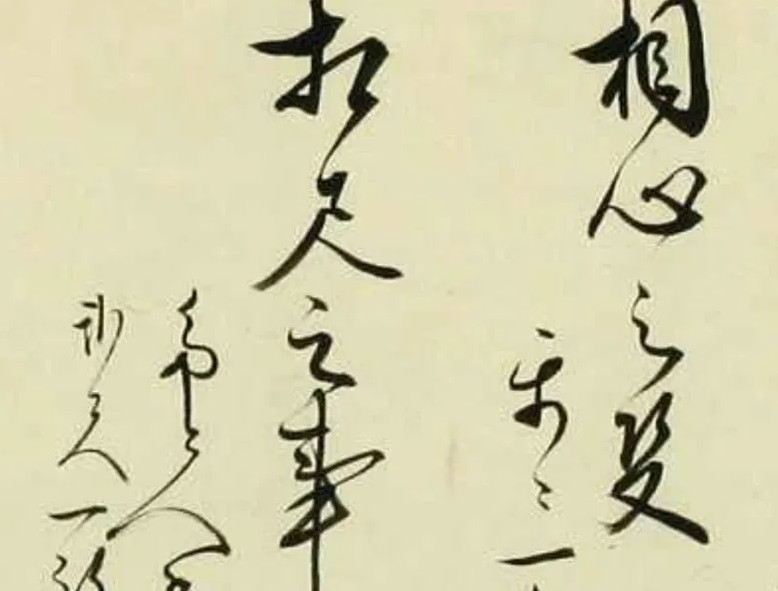
Sōjaku-no-koto (相尺之事; mutual distance or measure) is one of the formal matters listed in historical mokuroku of Jikishinkage-ryū kenjutsu. We examine its relationship to Sino-Japanese philosophical concepts.
Overview of the Kōbusho
The Kōbusho was the late Tokugawa martial academy that operated between 1856 and 1867 just before the disestablishment of the samurai (haitōrei 廃刀令, 1876; chitsuroku shobun 秩禄処分) when kenjutsu nearly died. Its senior teachers were instrumental in the later survival of Japanese swordsmanship, which persisted through two separate channels, one civil and one martial, that then later converged: Gekken-kōgyō and the Battō-tai.
Ibaraki area Jikishinkage-ryū
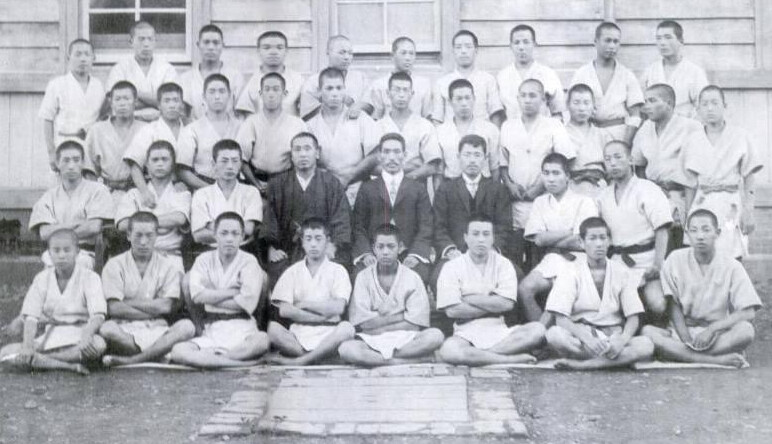
Hakomori Yosaburō (箱守与三郎祐郷) taught Jikishinkage-ryū in Makabe-gun, Ibaraki, founded the Genbukan at Shimotsuma in 1904 and was the later Jikishinkage-ryū teacher of Nakayama Tatsusaburō (中山辰三郎).
Matsuzaki Namishirō and Katōda Shinkage-ryū
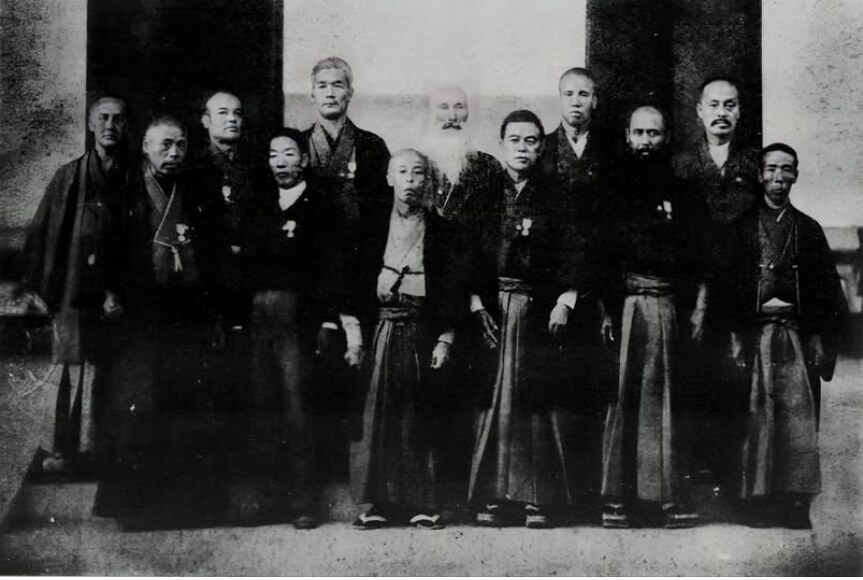
Matsuzaki Namishirō (松崎浪四郎, 1833–1896) of Kurume: his training in Katōda Shinkage-ryū, his musha shugyō and gekken years, the Shunpūkan, and his place in the early kendō world.
The Dai Nippon Butokukai
The Dai Nippon Butokukai (大日本武徳会), founded in 1895, is where the two survival channels of the preceding sections — the commercial gekken-kōgyō and the state police-gekken — terminate in a single standardized kendō, and where the office, not license, logic traced through the Kōbusho and the Keishichō reaches its institutional form as a national shōgō (称号) system of grades and titles that led to modern budō.
Memorial Steles of Jikishinkage-ryū
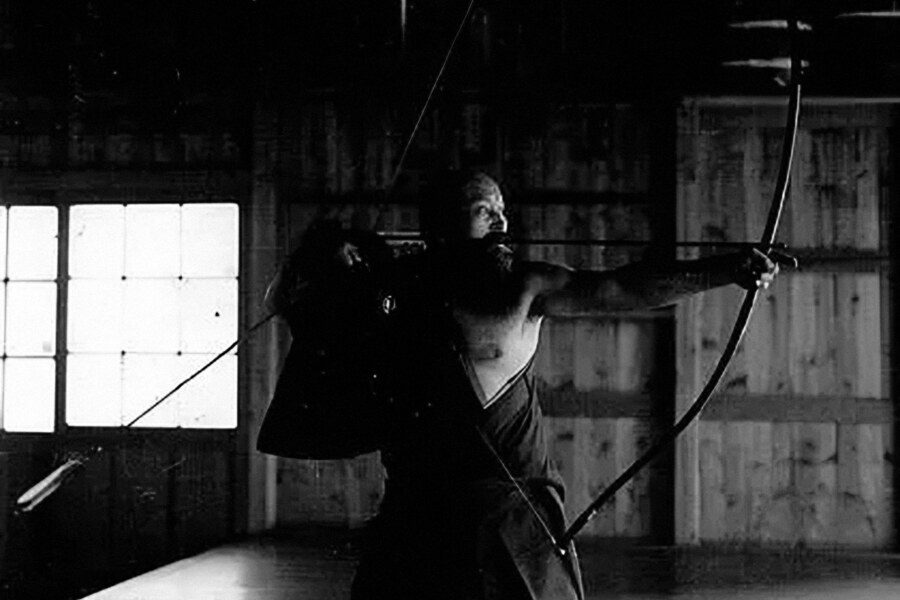
A survey of Jikishinkage-ryū memorial steles across Kashima Jingū and Chiba — their texts, and the succession dispute they record.
From Ming to Meiji: The Declining Status of Chinese Influence in Japanese martial culture from 1600-1900
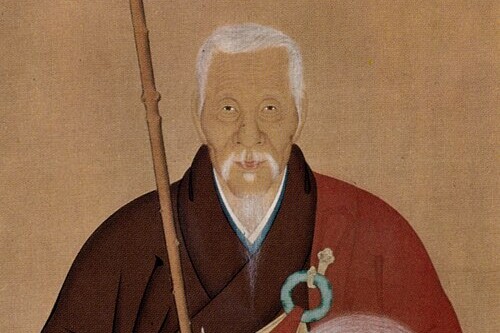
One thread that affects multiple articles here, whether on kobudō or Japanese religion, is the early Edo importance of Ming Dynasty culture in Japan as being desirable as an influence and the mid-to-late Edo scorn for Qing Dynasty China. This is only amplified in Meiji and beyond.
From Kokugaku to the Ketsumeidan: Nativist Shintō and the Budō World
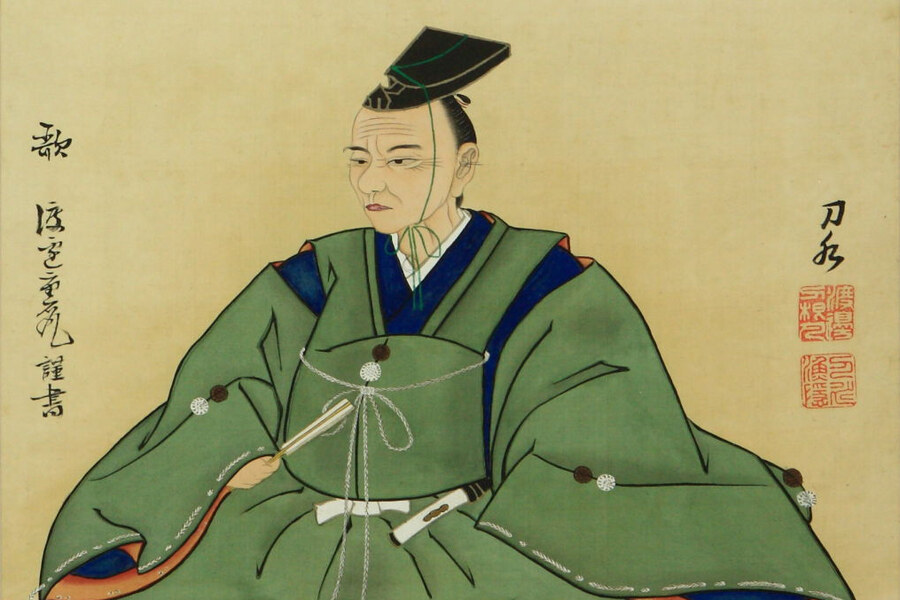
How the nativist undertow inside Edo Sinophilia grew through kokugaku — Motoori Norinaga and Hirata Atsutane — into the kokutai/Kōdō ideology of Imaizumi Sadasuke and the early-Shōwa nationalist milieu of the Ketsumeidan Incident that the budō world brushed against.
Evolution of Jikishinkage-ryū Densho
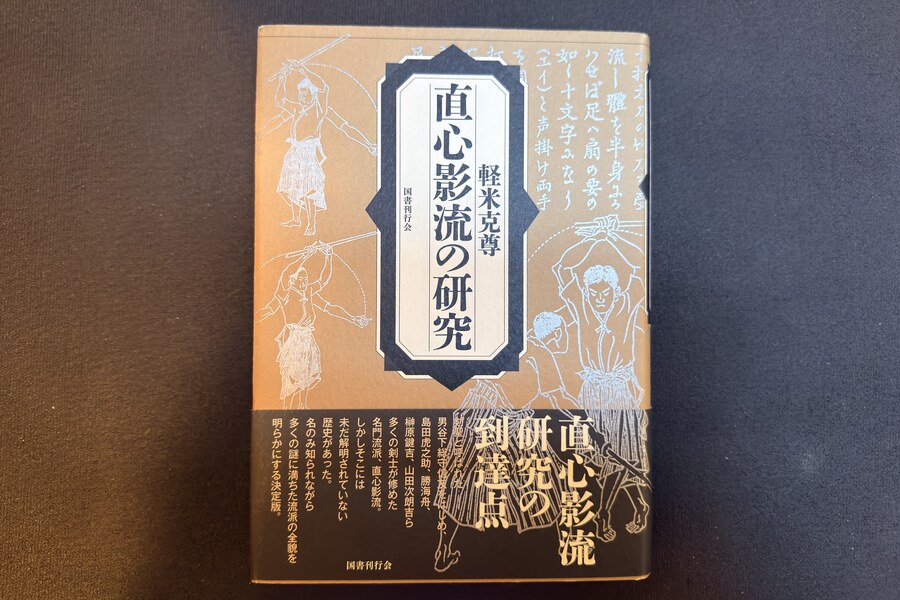
Summarizing Karukome’s research into the composition of written densho of Jikishinkage-ryū, especially where Kashima-centric claims enter the art.
The Kenpō Ryakki of Kubota Sugane
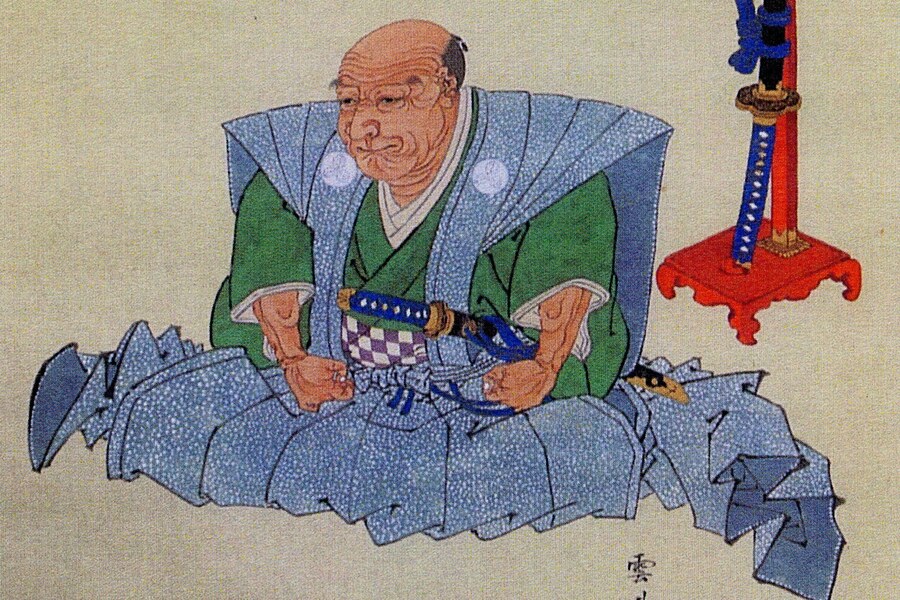
We provide a translation of eight technical sections detailed from the Kenpō ryakki of Kubota Sugane (1839), with an extended note on the nagamaki.
Late Bakumatsu Military Units
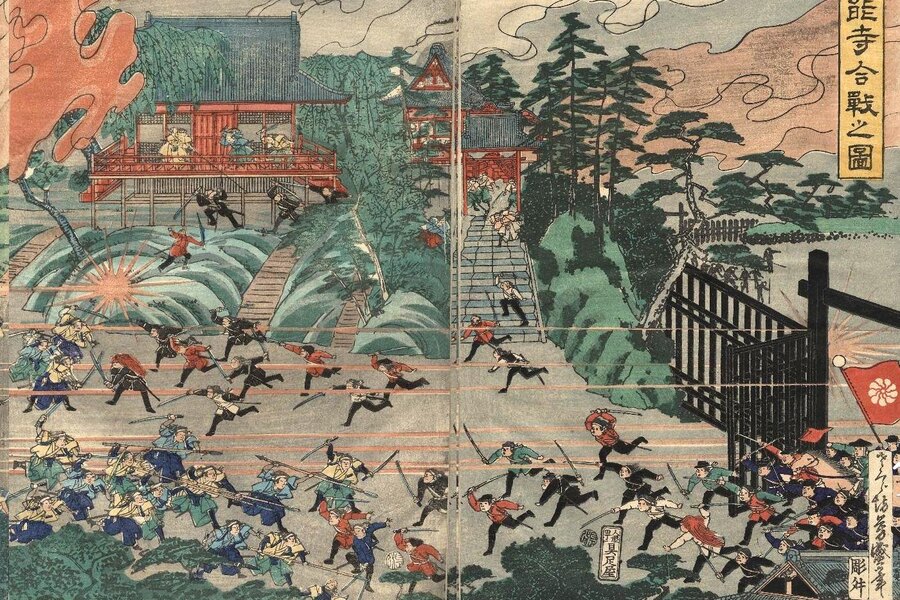
Some details on the Yūgeki-tai, Seiei-tai, and Shōgi-tai, late Bakumatsu military units that some Kōbusho figures were attached to.
Finding Jikishinkage-ryū Swordsmen in the Bakufu Registers
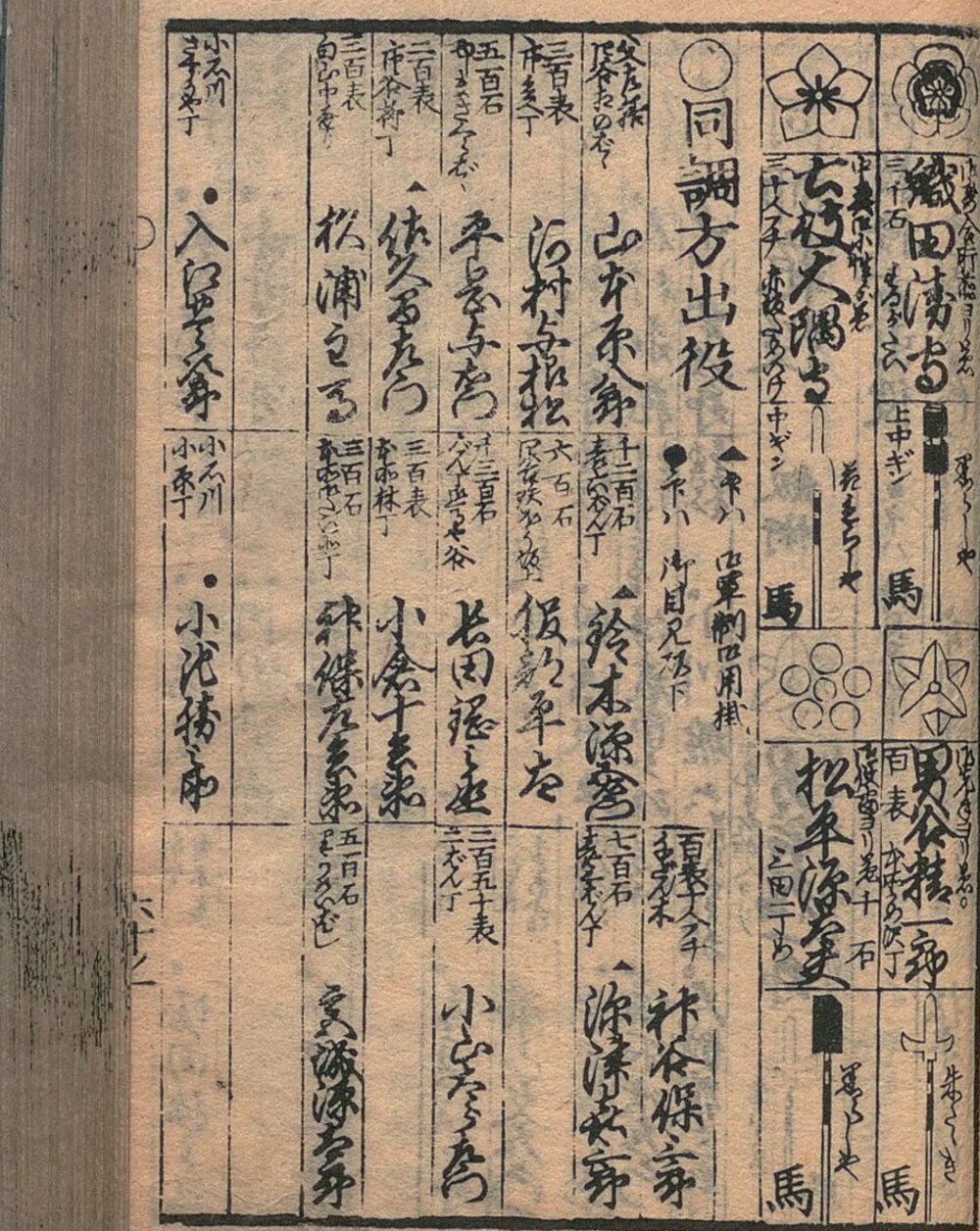
Three documents for Odani Seiichirō and Amano Shōshō, and a worked example of finding Jikishinkage-ryū swordsmen in the printed bakufu registers of 1860 to 1864 held by the National Diet Library.
Late Tokugawa and Early Meiji Kenshi
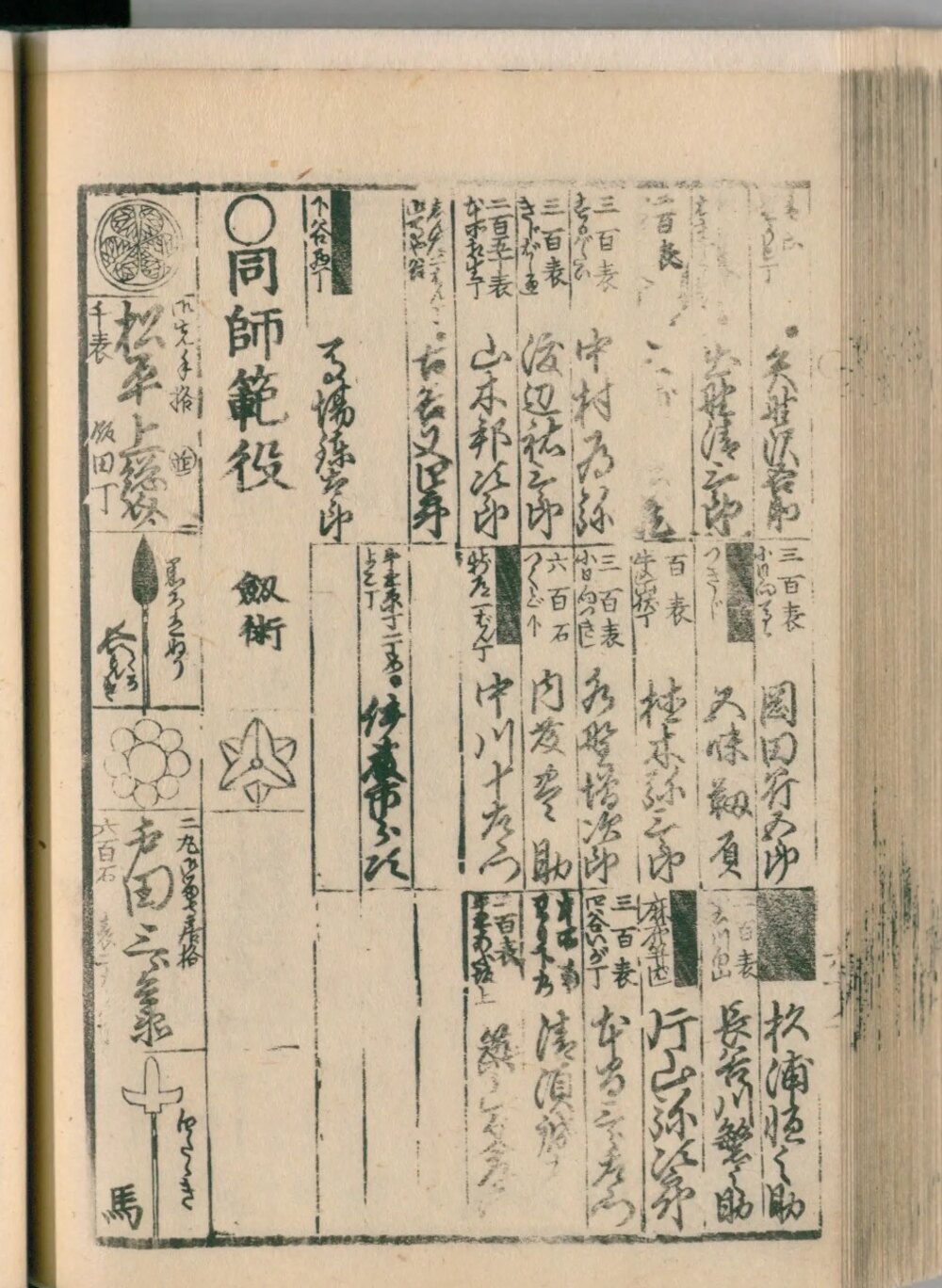
Swordsmen, spearmen and jūjutsu teachers of the late Edo, Meiji and early Shōwa periods: the fuller records from my register of practitioners, with pointers to the rest.
Ryūha associated with the Kōbusho or Butokukai
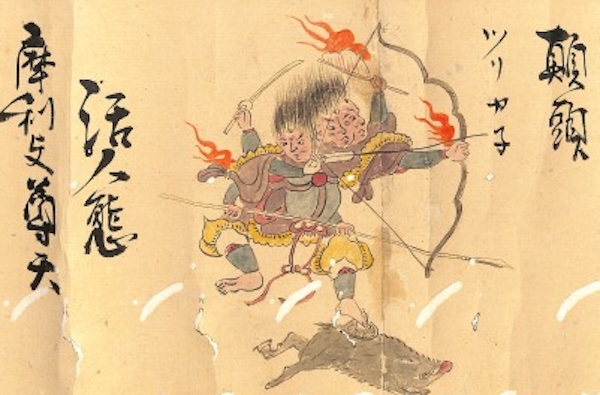
Schools of sword, spear and jūjutsu taught at the Kōbusho or carried by its men into the modern era: the fuller records from my register of schools, with pointers to the rest.
End Notes
-
These volumes attempt to be precise but are not academic histories. Instead they are close readings of historical sources. In doing so, we relate the statements made about many older martial traditions by their witnesses and practitioners, but each surviving faction or group will have their own in-tradition orthodoxy ↩