writing by Mark Raugas

Inner Dharma is a writing project maintained by Mark Raugas that is concerned with classical and traditional martial arts and culture. It has resulted in several publications. I want to thank all those who provided feedback and encouragement over the last twenty years. I continue my training in the Pacific Northwest.
Essays & Updates
Reverse chronology – please use the filters below to view by topic.
Site Planning and Book Updates

An update on my writing activities.
2026 Pilgrimage

Reflections on recent travel to Japan to visit sacred sites in Kumano and Mie and reconnect with formal Jikishinkage-ryū practice.
Kūkai’s Secret Key to the Heart Sūtra
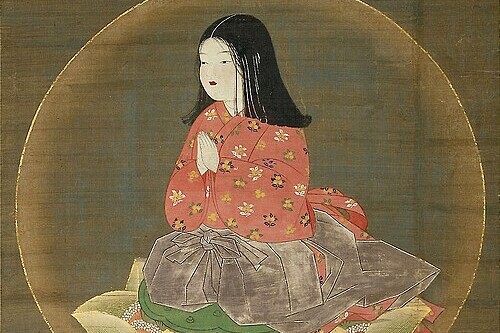
A working translation of Kūkai’s Hannya-shingyō hiken (般若心經祕鍵, 818) — the esoteric reading of the Heart Sūtra as the mantra-samādhi of Prajñā Bodhisattva, divided into five sections each keyed to a bodhisattva.
Haguro Shugendō
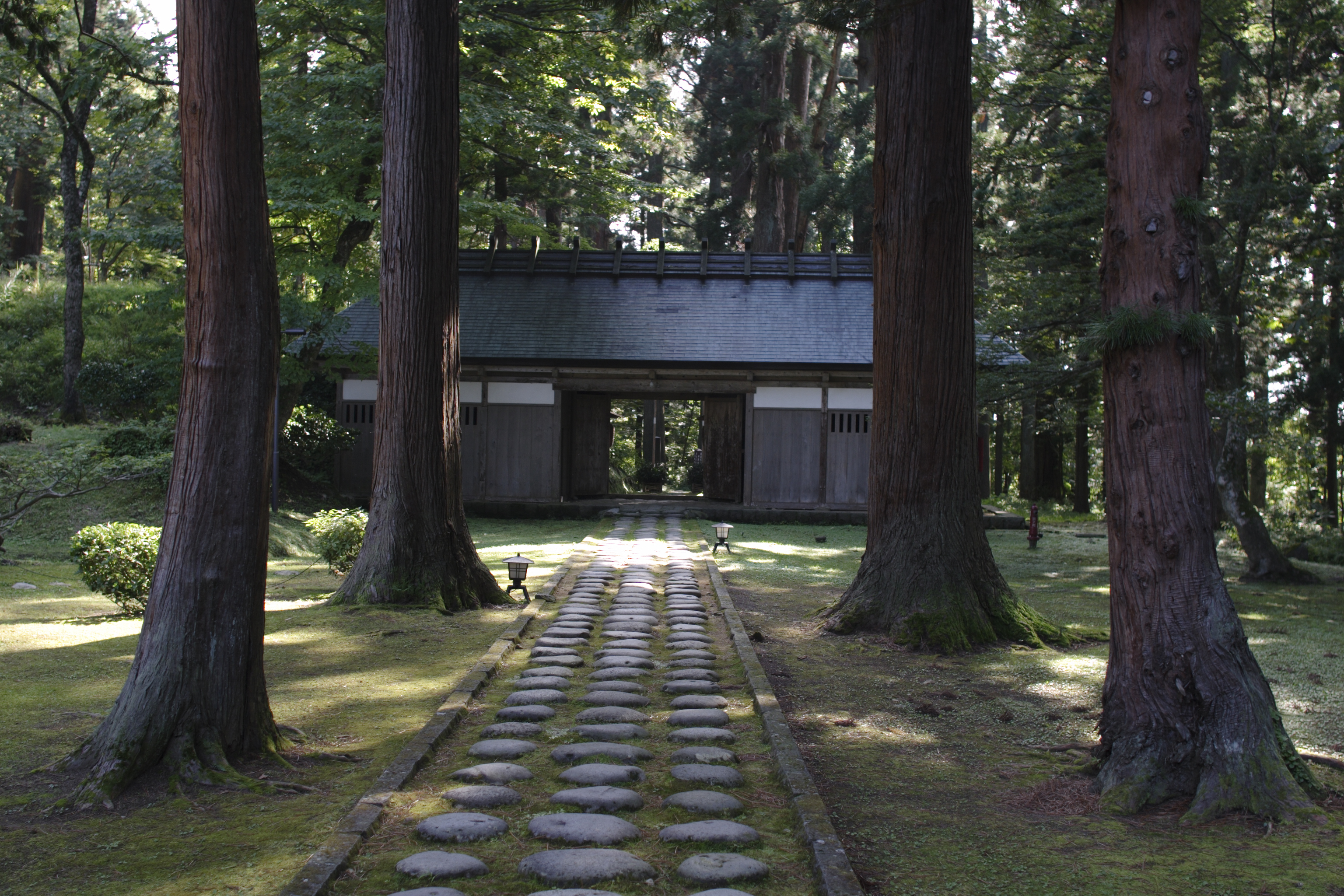
Haguro Shugendō, its Tengu and Gongen, and the Dewa Sanzan area.
Taisha-ryū, Denrinbō Raikei, and Hikosan Shugendō
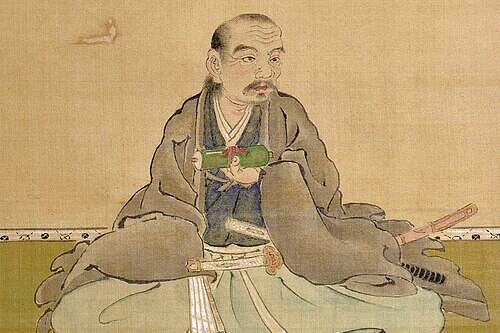
Ming Chinese master of Taisha-ryū and Shugendō practitioner. Some contrasts between Hiko Shugendō and Dewa Shugendō and a digression to a famous school of sword smiths.
Teaching Internal Ideas
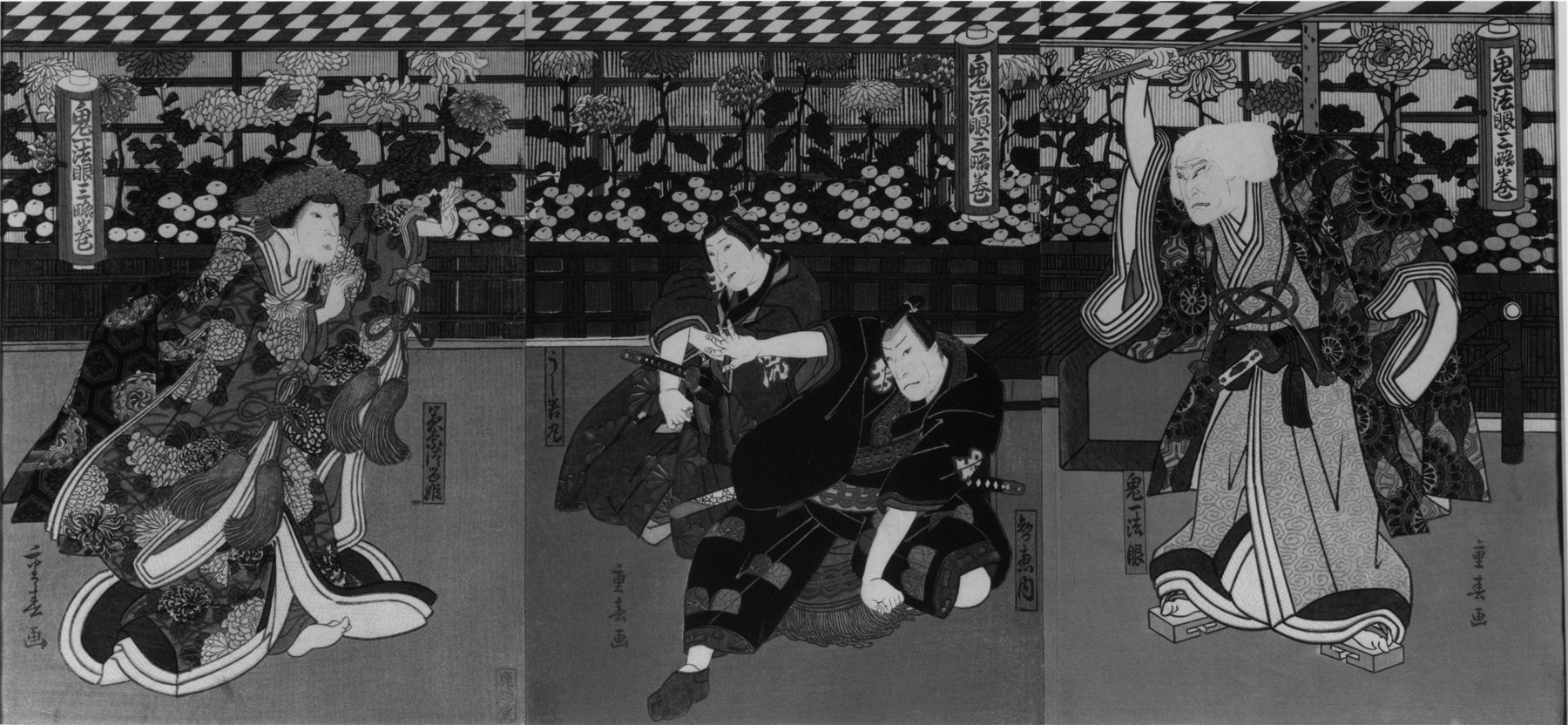
A poem by Yu Xin (513-581) evokes some thoughts on training and teaching — the importance of solo practice, the results of different experiments in teaching, why it is best to be cautious before taking on new obligations.
On Researching Gokui
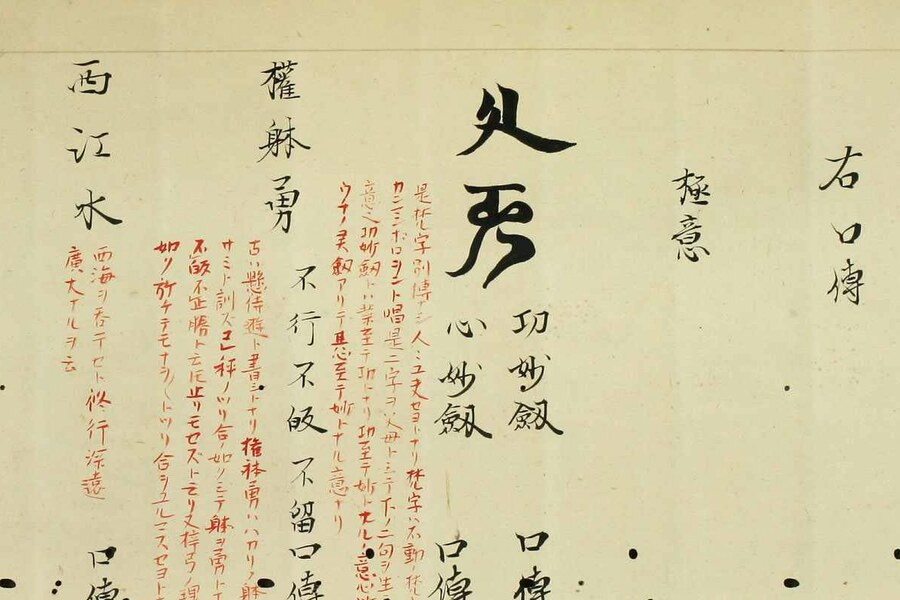
Reflections on researching and writing about inner principles of Japanese swordsmanship and relating those back to philosophical topics.
An Overview of Wú Tàijíquán Practice

Tàijíquán, along with Xíngyìquán and Bāguàzhǎng, forms the core of the internal martial arts, distinguished by their grounding in Daoist philosophy and Nèigōng practices.
Kiai is not a sound
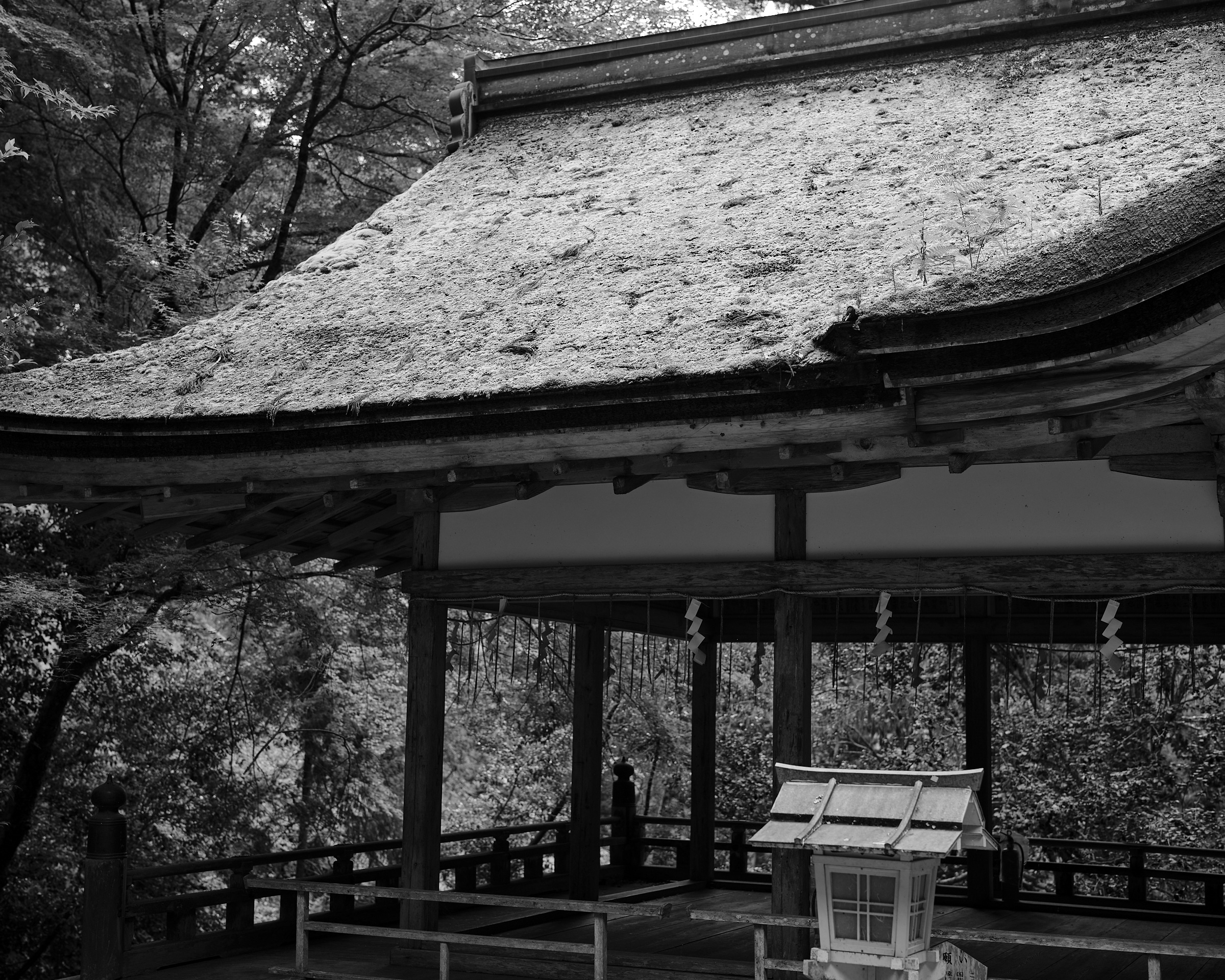
Reflecting on twenty years of writing on martial arts, the integration of internal principles into classical swordsmanship, and a concluding pilgrimage to Japan.
The Evolution of Kata
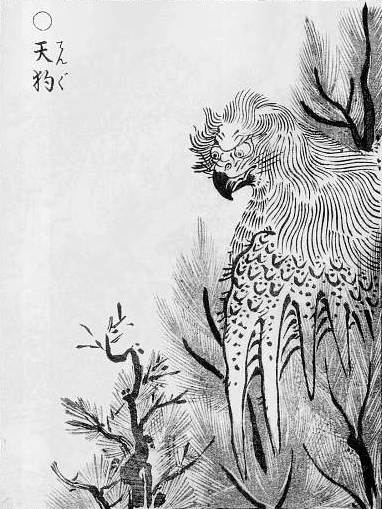
A short essay adapted from some correspondence where I examine the evolution of kata over time and how that relates to free practice, and the original combative intent of older martial traditions.
Contrasting Modern and Classical Mindsets
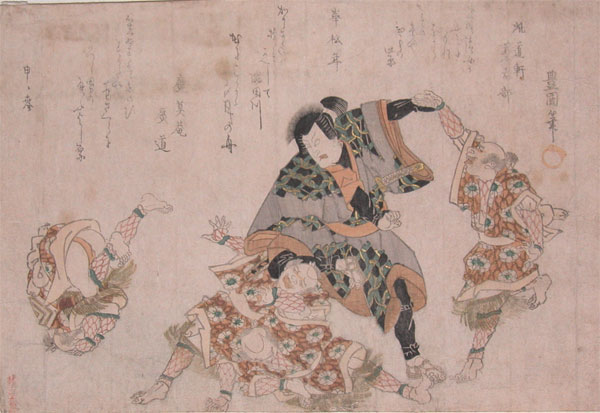
We examine some features of armed and unarmed grappling and small weapon styles from the medieval period to modernity and draw some parallels and distinctions between them, especially as related to combat sport and contemporary military practices.
In Memoriam: David A. Hall (1947-2025)
On 26 July 2025, the world lost one of its most knowledgeable teachers and scholars of classical Japanese martial culture.
Layers of Training
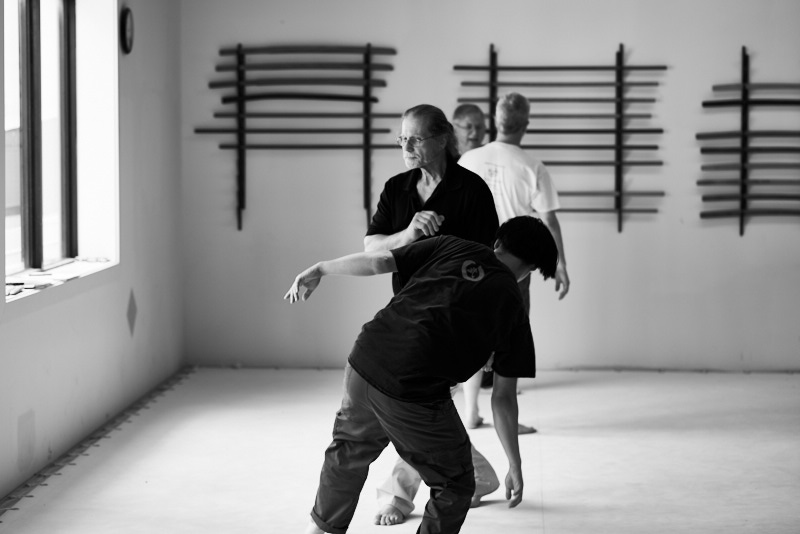
Stages of training and how that relates to internal martial arts principles and the organization of older martial traditions.
Comparing Patañjali’s 8 Limbs with Buddha’s Noble 8-fold path

Last year I began additional training in the union of Yoga and Buddhism offered through Tibet House. A short essay comparing the Astanga of Patañjali with the Buddhist Noble Eightfold path.
Divergence and Unification in Shinkage-ryū (opens in a new tab)
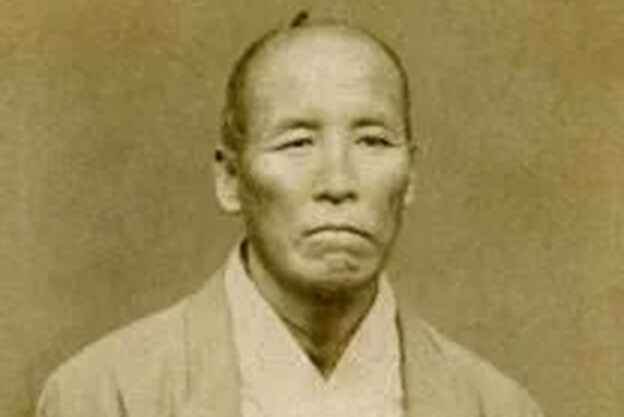
An essay on kata, heihō and shugyō, comparing and contrasting different surviving lines of Shinkage-ryū, with reflections on my own practice.
General Qi Jiguang’s Jixiao Xinshu and Reflections on Claims of Martial Virtue (opens in a new tab)
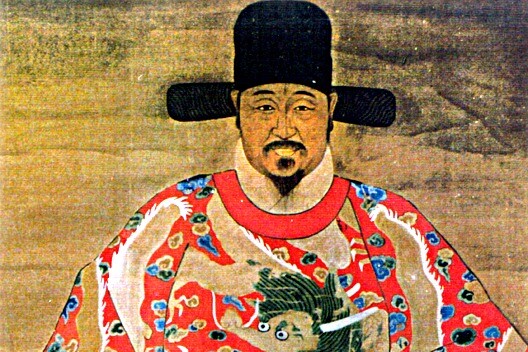
A look at some older writings from Japanese koryū that reference classical Chinese military treatises, and how the practices described in those works may be represented in arts surviving today.
Rationales for Training
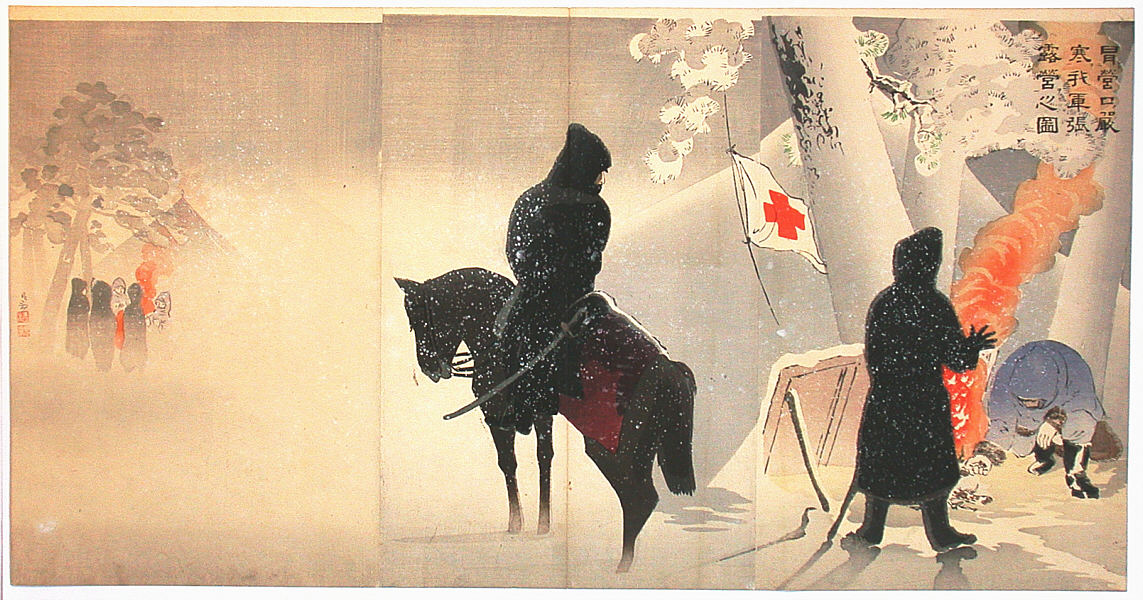
I’ve written about intensity in training and the role pressure testing can play in personal development, but what about the cultural aspects of older martial arts? They are fascinating, inspiring, and important — but secondary to the mental and physical components of training.
YCGF Weapons Practices
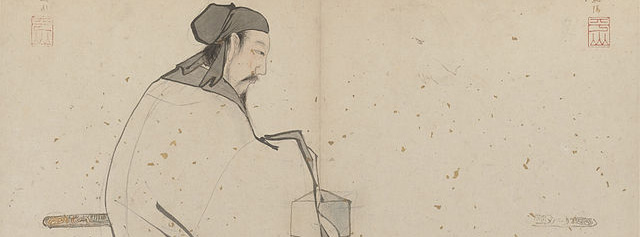
The Tàijí, Bāguà and Xíngyì taught as part of Yin Cheng Gong Fa includes an extensive curriculum of jian (sword), dao (saber), and qiang (spear).
Pressure Testing in Classical Budō
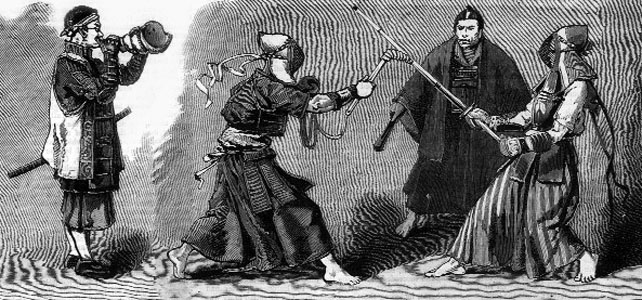
On solo practice, free sparring, entering HEMA competition, and the waning intensity of classical martial arts. Reflections on what it means to keep kenjutsu practice alive.
Gogyō Exegesis

Reflections on a decade of practice in Tenshin Shōden Katori Shintō-ryū and an analysis of what may lie hidden beneath its surface.
Proper Training Intensity in Traditional Martial Arts

A discussion of what constitutes proper training intensity in traditional martial arts.
Tàijí Classics
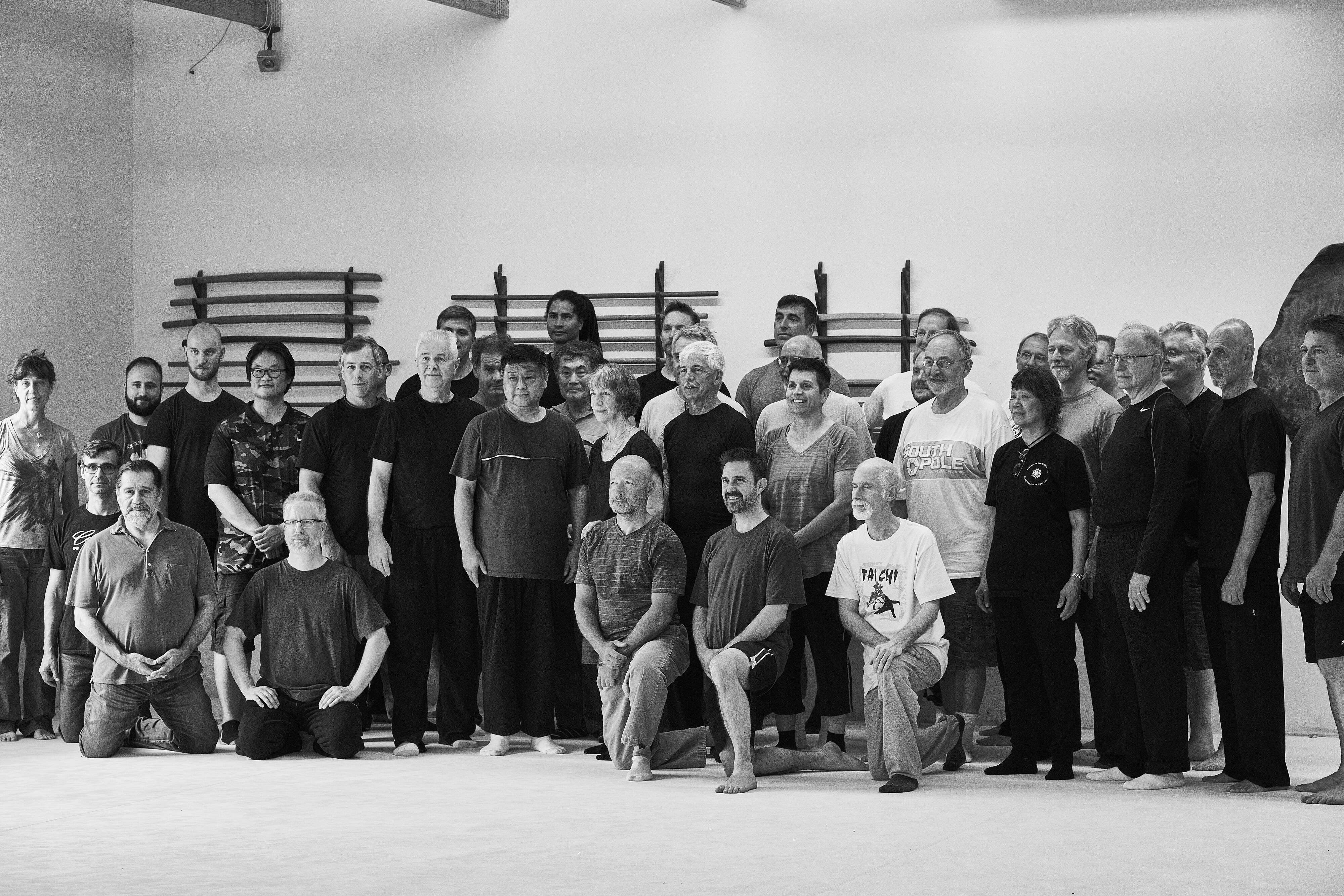
An important translation of the Tàijí Classics has been published. Highly recommended.
Aiki and Internal Training
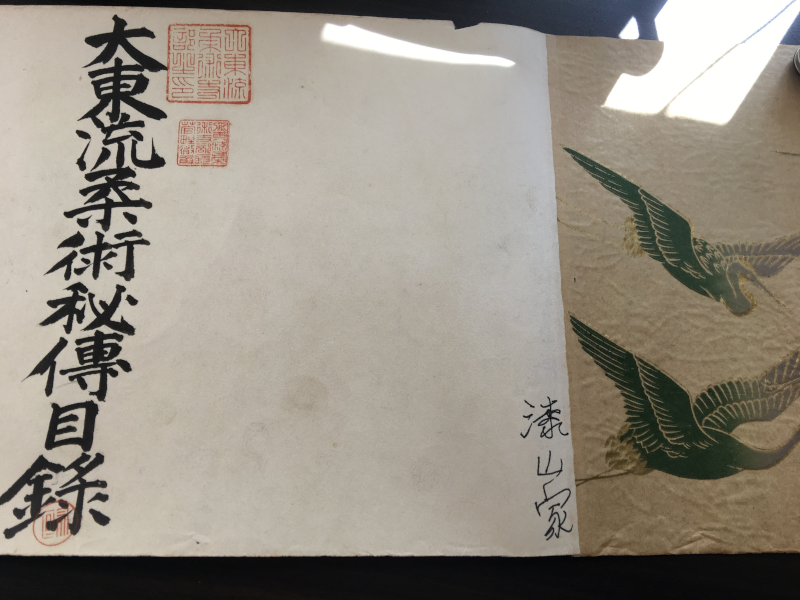
Collected thoughts on the historical influence of Chinese martial arts on Japanese jūjutsu and how they relate to the topic of aiki in Aikidō and Daitō-ryū.
NAMT Night of Budō 2013
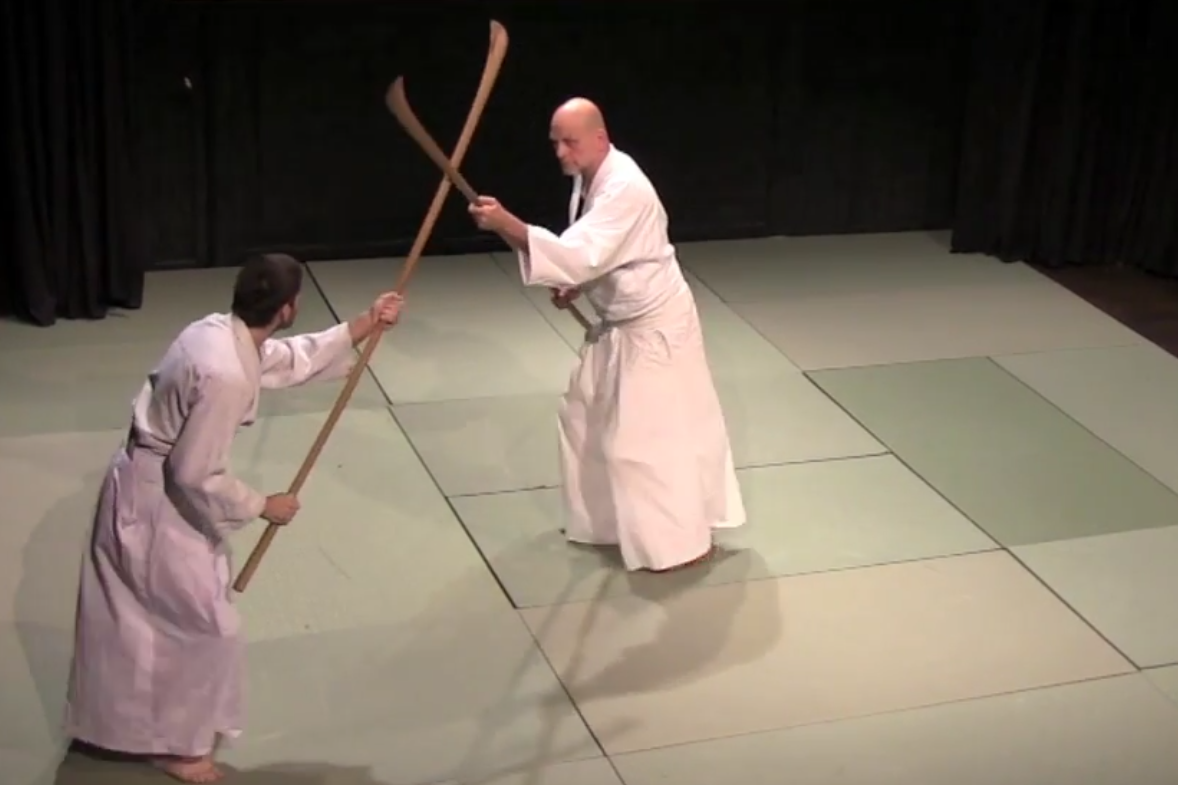
Reflections on a demonstration of Araki-ryū and Tenshin Bukō-ryū at the NAMT 2013 Night of Budo by Ellis Amdur.
On the cultivation of skill
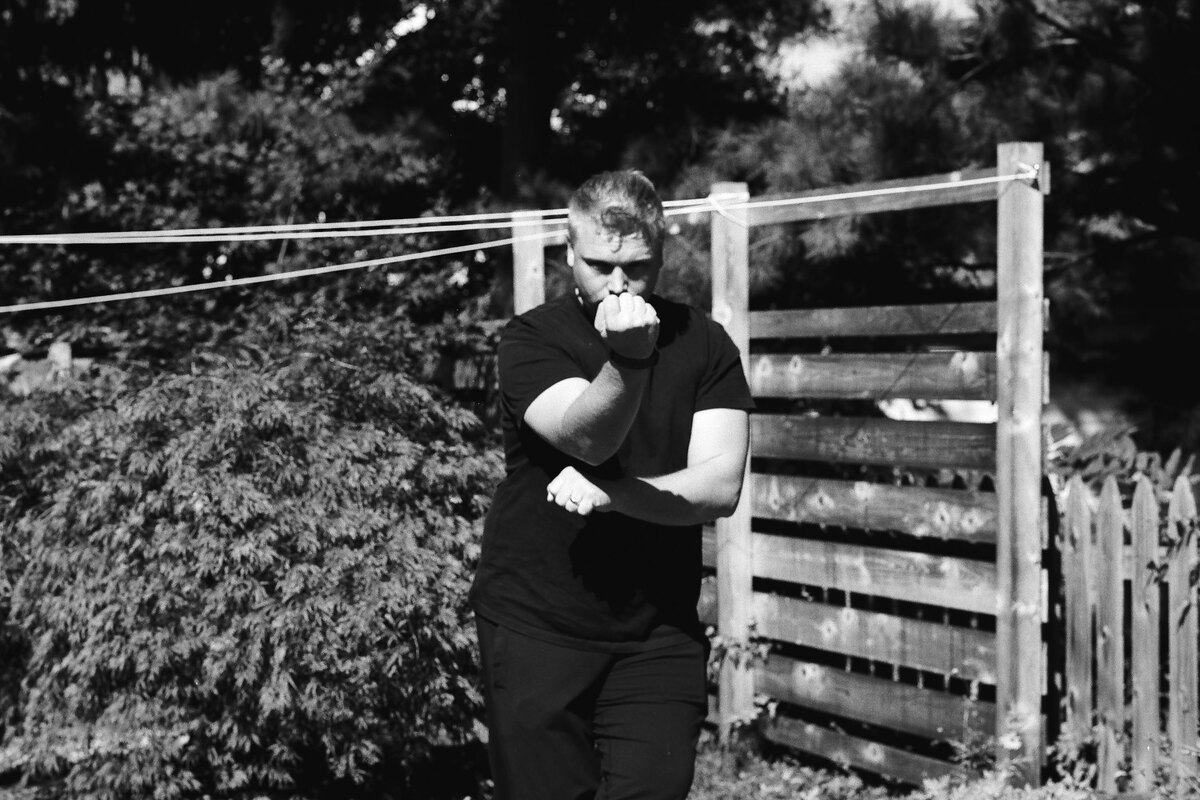
A brief discussion of power generation in internal martial arts.