Atsuta Taikai
I was in Japan for much of October, first in Kyoto and Nagoya, where I attended the 45th enbu taikai of the Nippon Kobudō Shinkokai:
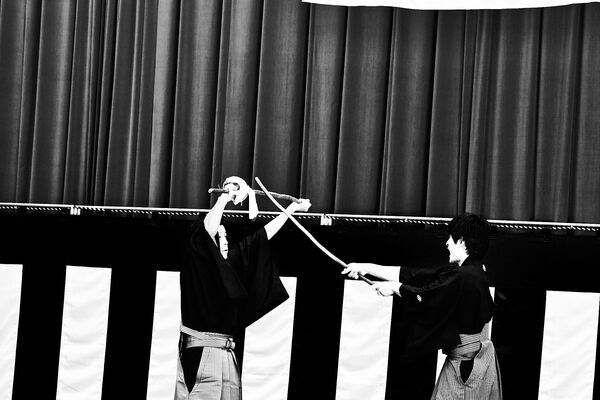
The groups I saw at the enbu were quite good and at a much higher level of practice than we generally see. I was glad to see them all in person as video online for me does not convey the same feeling of precision and intensity. If you have the chance to watch such an event in Japan, I highly recommend doing so. Some pictures that I hope convey the intensity of practice can be found above.
Kumano Kodō
I then traveled to Ise, down the coast through Onigajō, to the Kumano area. The Kumano Kodō pilgrimage trails held a strong sense of being and nature that have inspired people for over a thousand years. I really like doing photography as a hobby and that was a good theme for me during the trip as I visited many shrines and temples that each had a unique feeling.
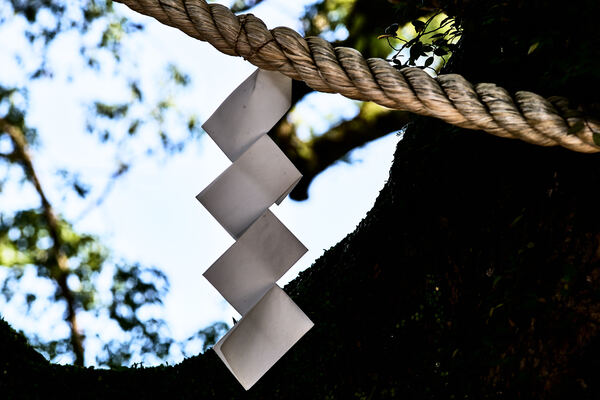
It was especially meaningful to visit the Kinpusen-ji Shugendō temple as it was the first day of the year their main statues of Zaō-gongen are viewable. Kinpusen-ji was somewhat remote, but exciting to visit as I was able to practice meditation and mantra in an old Shugendō environment that was relatively unaffected by the late 19th century split between Shintō and Buddhism in Japan.
Jikishinkage-ryū
The next day in Tokyo, it was a very special experience for me to be able to visit and interact with the lineage David Hall trained under in Japan and meet the current leaders of the practice handed down within the Namiki family. It was very meaningful to be able to practice Hōjō with one of Dave’s sempai and get feedback on my practice from the Kūunkai leadership. It was a blessing to be able to train with people who are much better than me at Jikishinkage-ryū, to see first-hand what very high-level practice of the art is like.
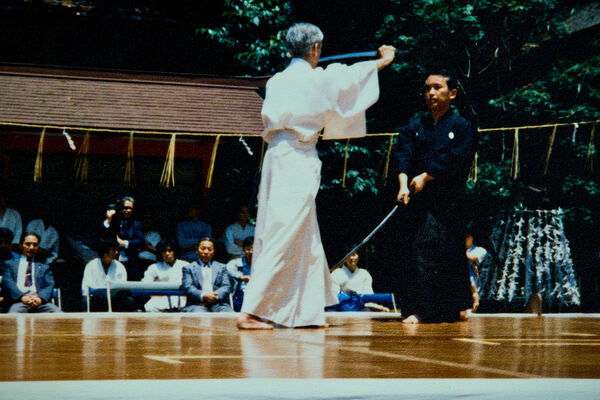
Our practice was held in the form of a hōnō embu to Kawashima Takashi, Shida Utanosuke, Namiki Kazuya, and Namiki Yasushi. Afterwards, I was able to ask questions of the group and get details that are very helpful to my practice.
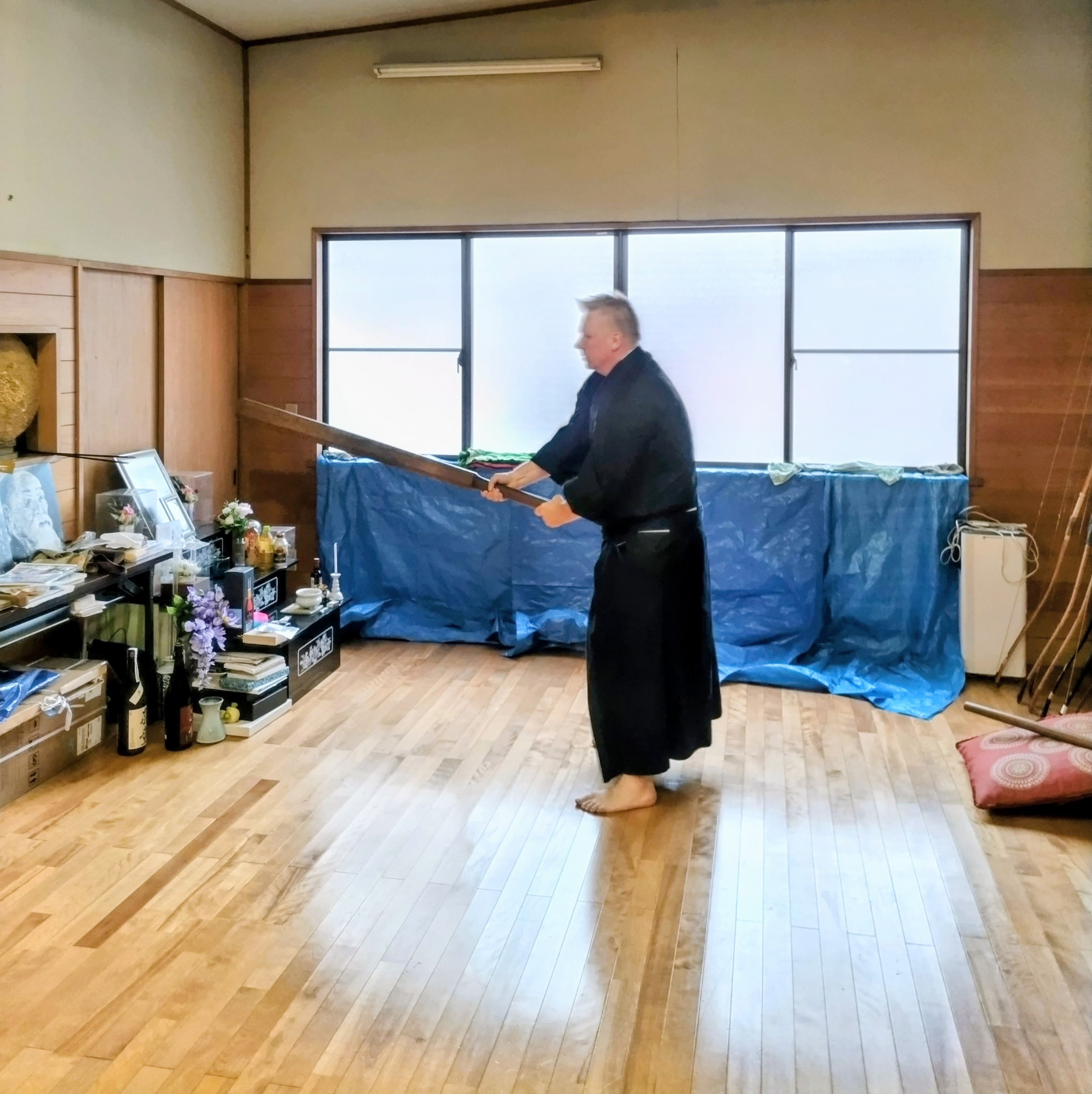
Later, we exchanged stories and examined old pictures of training in Japan. I am very grateful to Mr. Ōmachi Ryōsuke for arranging the visit with Mr. Katsuragi Hiroki, Mr. Namiki Hiroyuki, and Mr. Ozawa Tsutomu. I am extremely grateful for all of their feedback as well for the gift of old photos of David Hall while he was training under Namiki Yasushi in Japan, some of which can be found above.
I look forward to my next trip to Japan and training again with the Kūunkai members. Training is often lonely, and it has been difficult for me since my teacher died. We can always wish we were better, but the only way to improve is through training, pressure testing, reflection, and feedback.
I wound up learning a bit more about JSKR history while I was there, which led me to read on important figures such as Shida Utanosuke (opens in a new tab). At the end of my trip, after rejoining my family and visiting Kanazawa, I was able to get pictures of the memorial stones of Yamada Jirōkichi and Ōnishi Hidetaka at Kashima Jingū and visit Yamaoka Tesshū’s grave in Tokyo.