I practice traditional Taiji, Bagua, and Xingyi, placing a special emphasis on classical tàijíquán and traditional weapons as part of Yin Cheng Gong Fa North America. Internal martial arts training develops a subtle understanding of force and balance in the practitioner and is a long progression that continues to both challenge and reward over time. My teacher Zhāng Yún and three of his senior students spent ten years on a translation of the Tàijíquán Classics, the core writings of the art, which I recommend highly.
Essays and Updates
Teaching Internal Ideas
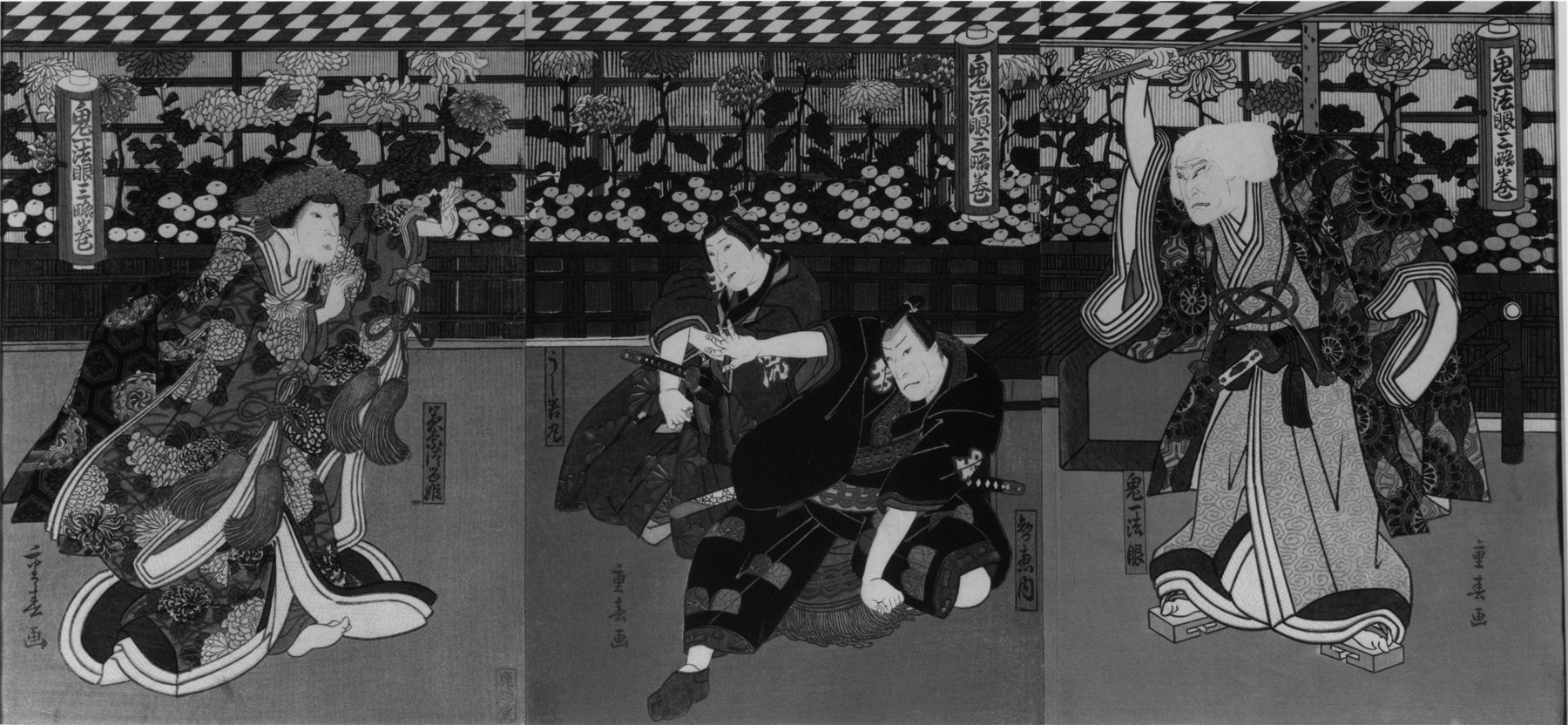
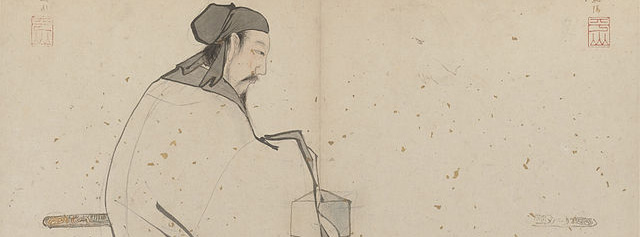
A poem by Yu Xin (513-581) evokes some thoughts on training and teaching — the importance of solo practice, the results of different experiments in teaching, why it is best to be cautious before taking on new obligations.
An Overview of Wú Tàijíquán Practice

Tàijíquán, along with Xíngyìquán and Bāguàzhǎng, forms the core of the internal martial arts, distinguished by their grounding in Daoist philosophy and Nèigōng practices.
Layers of Training
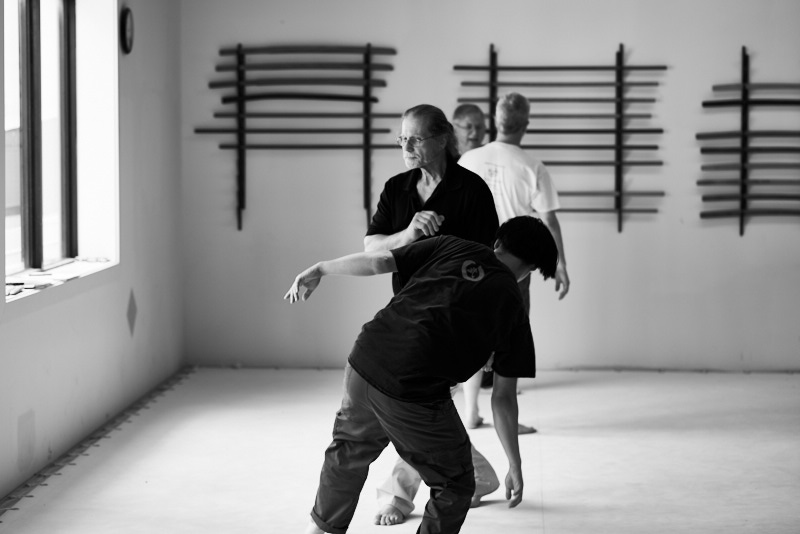
Stages of training and how that relates to internal martial arts principles and the organization of older martial traditions.
General Qi Jiguang’s Jixiao Xinshu and Reflections on Claims of Martial Virtue (opens in a new tab)
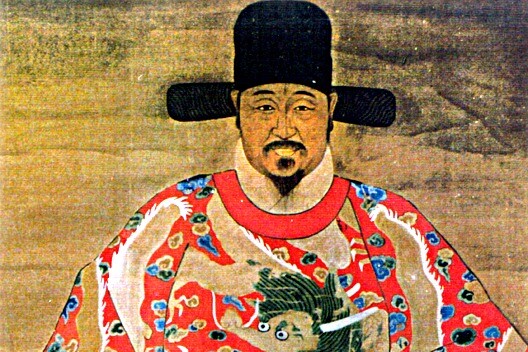
A look at some older writings from Japanese koryū that reference classical Chinese military treatises, and how the practices described in those works may be represented in arts surviving today.
YCGF Weapons Practices
The Tàijí, Bāguà and Xíngyì taught as part of Yin Cheng Gong Fa includes an extensive curriculum of jian (sword), dao (saber), and qiang (spear).
Tàijí Classics
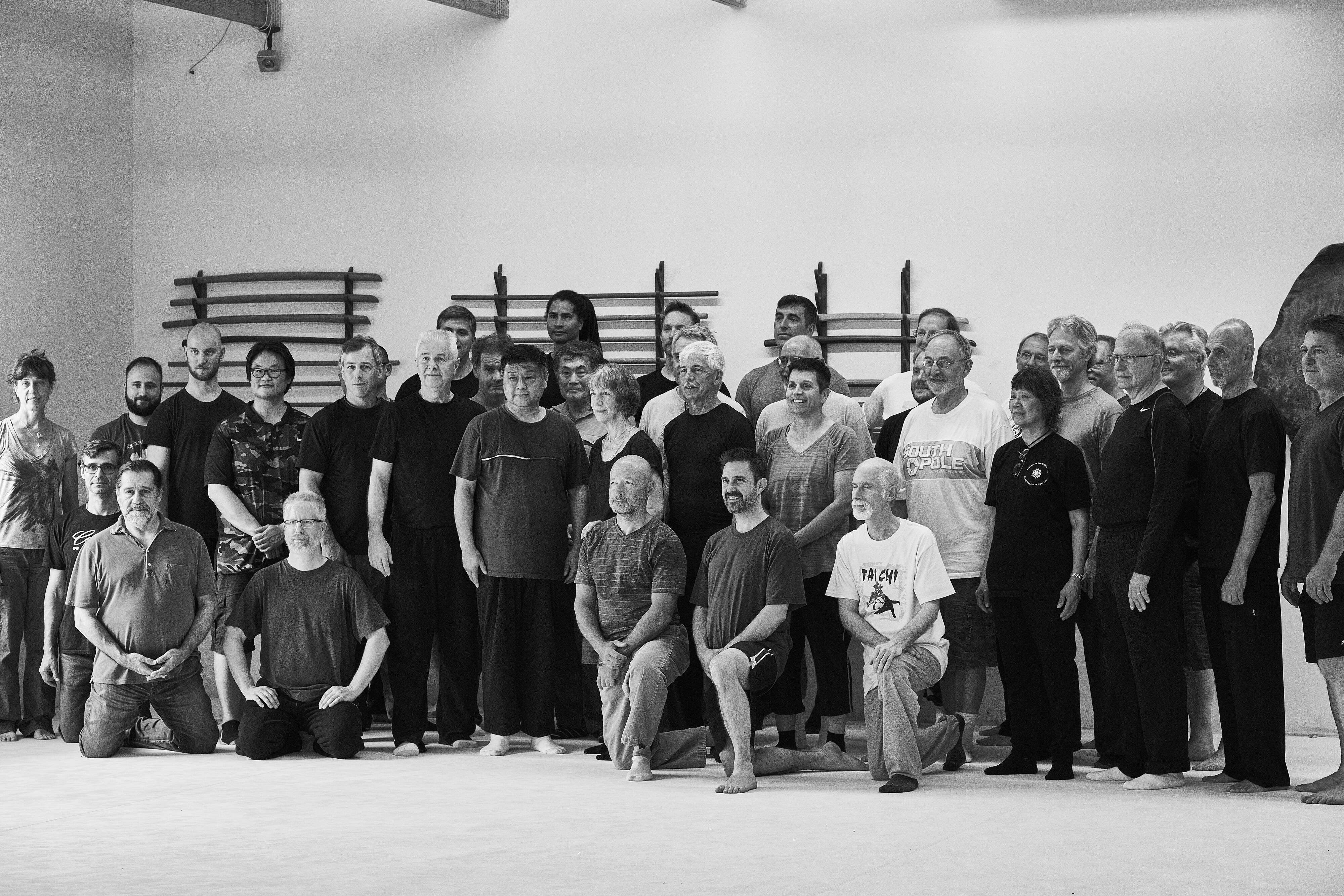
An important translation of the Tàijí Classics has been published. Highly recommended.
Aiki and Internal Training
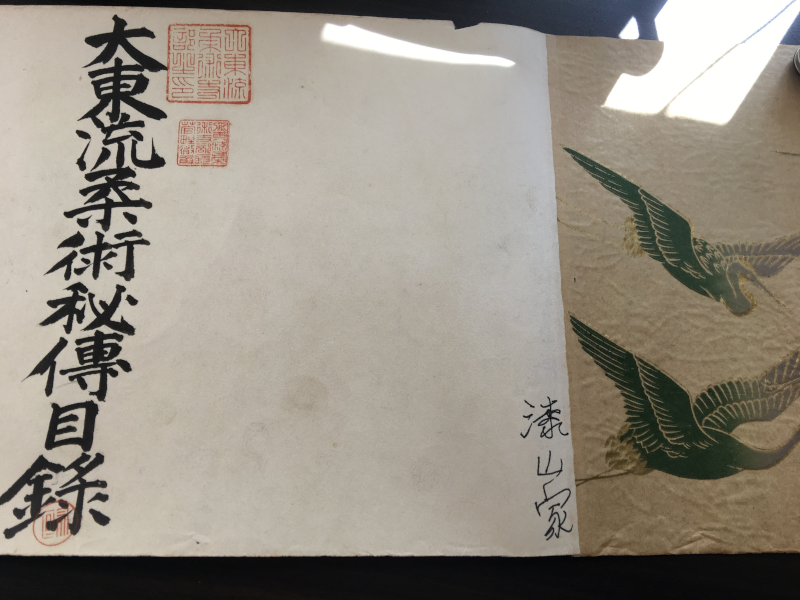
Collected thoughts on the historical influence of Chinese martial arts on Japanese jūjutsu and how they relate to the topic of aiki in Aikidō and Daitō-ryū.
On the cultivation of skill
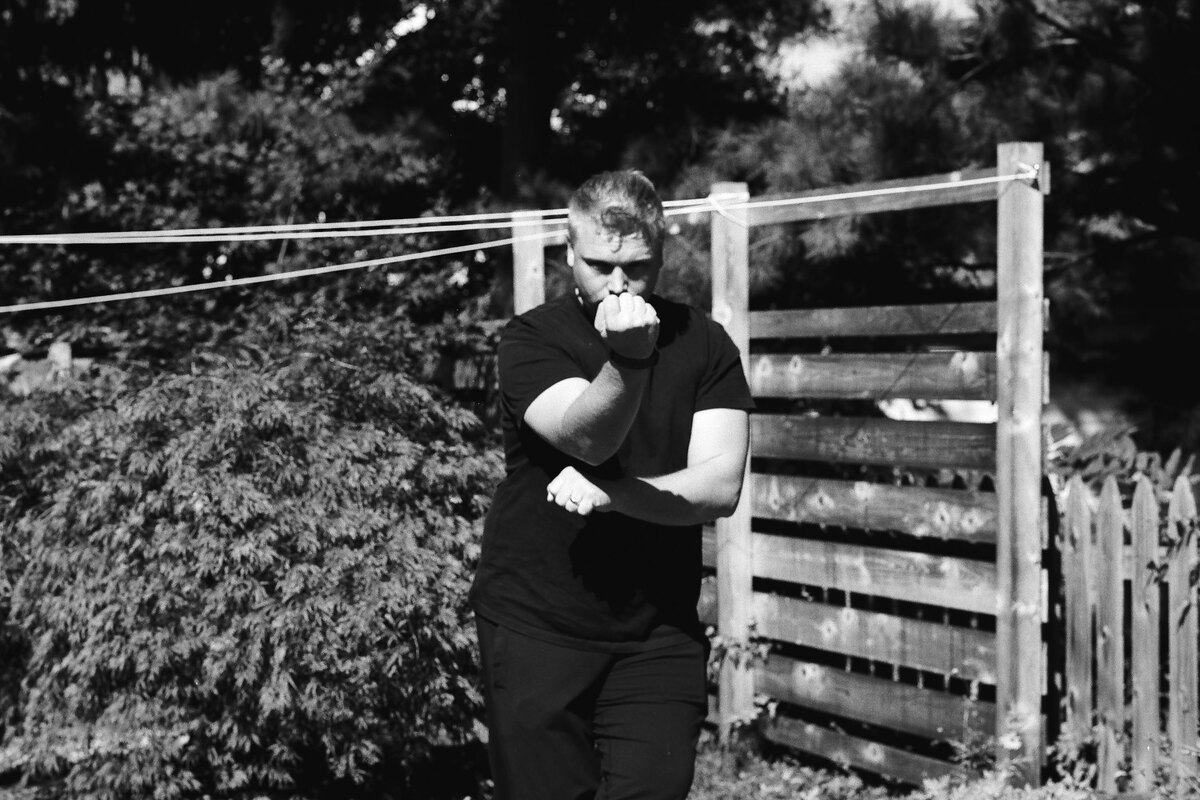
A brief discussion of power generation in internal martial arts.