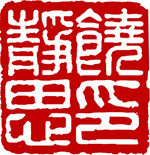
A description of the late Tokugawa Kōbusho martial academy, its teachers, levels, and related styles.
The Kōbusho ran roughly a decade. Preparations began in 1854 (Ansei 1) under the rōjū Abe Masahiro after Perry, starting with a small drill ground and a facility called the Kōbujō (講武場); it was formally opened as the Kōbusho in the 4th month of 1856 (Ansei 3) at Tsukiji Teppōzu, with master-instructors and kyōju-kata appointed in swordsmanship, spearmanship and gunnery, and with archery, jūjutsu and swimming also taught. It moved to a new site at Kanda Ogawamachi in 1860 (Man’en 1). Then the military-reform pressure toward a Western-style army hollowed out the classical side: archery and jūjutsu instruction were dropped in 1862 (Bunkyū 2), and in the 11th month of 1866 (Keiō 2) it was renamed the Rikugunsho (陸軍所), thereafter concentrating on gunnery.
The final dissolution came in the 6th month of 1867 (Keiō 3), when a three-arms officer school was established within the Rikugunsho and the Kōbusho ceased to exist in name and substance.
Many of its instructors and former students were recruited into late Tokugawa elite units such as the Yūgekitai, Seieitai, and Shōgitai.
The opening roster of 1856 appointments to the academy instructor cadre are recorded in the Wakadoshiyori Mōshiwatashi (若年寄申渡), in “Ansei 3 Gosho-tsukemen 7” (安政三年御書付面 七), held in the 東京大学 史料編纂所 (Historiographical Institute, University of Tokyo) database. There were eleven initial kenjutsu kyōju-kata (剣術教授方), with Odani Seiichirō of Jiki Shingyōtō-ryū as head (頭取):
- Toda Hachirōzaemon of Tamiya-ryū
- Matsushita Seiichirō, Iba Sōtarō, and Mitsuhashi Torazō of Shingyōtō-ryū
- Sakakibara Kenkichi and Honme Yarijirō of Jiki Shinkage-ryū
- Fujita Taiichirō of Shintō Munen-ryū
- Matsudaira Chikaranosuke of Ryūgō-ryū
- Kondō Yanosuke of Ittō Chūya-ryū
- Inoue Hachirō of Hokushin Ittō-ryū
- Imahori Chiiozō of Shinkage-ryū
The 4th Momoi Shunzō was added aencs a kenjutsu kyōju-kata shutsuyaku from 1863.
There were ten initial Kōbusho sōjutsu (spear) instructors in 1856. These included Tahakashi Deishū who practiced Jitokuin-ryū. He who led the department as shihan-yaku beginning in 1860 and in Keiō 2 (1866), held the post of sōjutsu kyōju-tōdori (槍術教授頭取; director of instruction) while he led the Yūgekitai.
Several of the Kōbusho members also were licensed in the Hōzoin-ryū of sōjutsu, famous for its crescent moon kama-yari. Other important sōjutsu approach favored by the Tokugawa houses included the Kan-ryū kudayari (管槍; tube-spear) of Owari and the 3.6m suyari (素槍) Ōshima-ryū of Kii and Kishū.
Beyond the Tokugawa houses, spear ryūha that mattered nationally were Saburi-ryū (佐分利流, a kagiyari/hook-spear line), Fūden-ryū (風傳流), and Taneda-ryū (種田流, another kudayari school) — Kan, Saburi, Fūden, and Hōzōin Takada-ha being the four that survived into the present.
Kubota Sugane (窪田清音) was a Kōbusho tōdori and held the shihan-yaku post in heigaku (兵学; military science) rather than in the spear department, though he personally held licences in Hōzōin-ryū (宝蔵院流) and Muhen Mugoku-ryū (無辺夢極流) spear – it is not clear if he taught spear as well as strategy and tactics.
Kōbusho Jūjutsu shihan-yaku instructors included Totsuka Hikosuke Hidetoshi of Totsuka-ha Yōshin-ryū and Motoyama Shōō and Iikubo Tsunetoshi of Kitō-ryū. Totsuka-ha Yōshin-ryū jūjutsu was taught at the Kōbusho and lasted only about a year and five months before being dropped, possibly due to the number of injuries sustained during its practice.
The Kōbusho itself did not confer ryūha ranks. The Kōbusho offered instead institutional advancement up its own appointment ladder — closer to an academic-rank progression than to either a school license or a diploma. Below the directors (sōsai) and head (tōdori, Odani), each discipline had one master-instructor (shihan-yaku) with kyōju-kata beneath him.
Trainees (修業人 / 修行人) who distinguished themselves in the cross-school bouting the Kōbusho fostered could be promoted to assistant grades — sewa-kokoroe (世話心得), sewa-yaku (世話役), then kyōju-kata shutsuyaku (教授方出役) and ultimately kyōju-kata. These were bakufu offices carrying stipends and status (Sakakibara’s kyōju-kata post came with 100 hyō and a 10-man allowance, and he later rose to shihan-yaku), awarded on demonstrated merit. That appointment ladder — not a paper credential — was the recognition.
Matsuoka Katsunosuke is an example of a Kōbusho trainee appointed by the Kuroda-han, who was promoted to assistant grade in jūjutsu. He went on to found his own Shindō Yōshin-ryū of jūjutsu in Hitachi after the Kōbusho was decomissioned.
Rryūha identity was not dissolved by the institution. The specialist scholarship still catalogs Kōbusho personnel explicitly by school — for instance, the study of Toda Hachirōzaemon’s diary listing the kyōju-kata, sewa-kokoroe and trainees with their ryūha (武道学研究 14(2), 1982). So a man was simultaneously “a Jiki Shinkage-ryū menkyo holder” (his school’s certification) and “a Kōbusho kyōju-kata” or “a Kōbusho sewa-yaku” (his institutional office), and those two were tracked independently.
Sources are tiered by evidentiary weight. Encyclopedic and Wikipedia entries serve as starting references for these well-documented figures; the monographs below are recommended for firmer footing on contested points.
Reference works & encyclopedias
- “Totsuka Hikosuke” (戸塚彦介), Nihon Daihyakka Zensho (Nipponica), via Kotobank. — Dates (1813–1886), Numazu-han, “father of early-modern randori,” Kōbusho jūjutsu.
- “Kanō Jigorō” (嘉納治五郎), Nihon Daihyakka Zensho, via Kotobank. — Iikubo Tsunetoshi as his Kitō-ryū teacher.
Kōbusho Scholarship
- Wakadoshiyori Mōshiwatashi (若年寄申渡), in “Ansei 3 Gosho-tsukemen 7” (安政三年御書付面 七), held in the 東京大学史料編纂所 (Historiographical Institute, University of Tokyo) database.
- Nakamura Tamio (中村民雄) — the scholar you already use. Beyond the Fukushima Daigaku papers (the “幕末関東剣術流派伝播形態の研究” series, (1) no. 61 1996 and (2) no. 66 1999), his Kendō Jiten: Gijutsu to Bunka no Rekishi (剣道事典 技術と文化の歴史, 島津書房) is the standard reference for this milieu.
- Enomoto Shōji (榎本鐘司), Nanzan University — Budōgaku Kenkyū papers on bakumatsu shinai-match kenjutsu and the formation of modern kendō, which treat the Kōbusho’s role directly.
- Watanabe Ichirō (渡辺一郎) — Bakumatsu Kantō Kenjutsu Eimeiroku no Kenkyū (幕末関東剣術英名録の研究), built on the Man’en 1 (1860) register of Edo swordsmen, and editor of Kendō no Rekishi (剣道の歴史, 全日本剣道連盟編). The 英名録 is close to a census of the Kōbusho-era Edo kenjutsu world.
Japanese Wikipedia (starting references)
- 「榊原鍵吉」「彰義隊」「上野戦争」 — Sakakibara’s career; Shōgitai formation (Shibusawa / Amano), Ōmura’s assault, Kōbusho-style dress.
- 「戸塚彦介」「楊心古流」「戸塚派楊心流柔術」 — Totsuka-ha character; the 56-technique Hisatomi randori set.
- 「嘉納治五郎」「起倒流」 — Iikubo (Takenaka-ha, menkyo 1856); Kitō-ryū as throw-centric.
- 「島田虎之助」 — the 松平忠敬 patron detail (read against the chronology note in the Shimada section above).
Government / museum records
- Chiba City / Chiba Prefecture cultural-property pages for the Totsuka Yōshin-ryū founders’ graves (戸塚彦介英俊). — Totsuka biography and lineage.
Monographs
- For the Iikubo / Motoyama detail: a Kōdōkan-published Kanō history, or Maruyama Sanzō (丸山三造), Dai Nippon Jūdō Shi (『大日本柔道史』) — corroborate Motoyama Shōō (本山正翁) as Kōbusho Kitō-ryū kyōju-kata.
- Regarding Shinsengumi: Shinsengumi Nagakura Shinpachi: Ko Sugimura Yoshie no Sōnen Jidai (新撰組永倉新八:故杉村義衛の壮年時代), edited by his son Sugimura Gitarō (杉村義太郎) in Otaru,