In 2004 and 2005, while visiting the Dewa Sanzan (
Much of my earlier writing on Inner Dharma was concerned with that specific transition: shifting toward the cultivation of internal skill. As I learned more of Bagua, Xingyi, and Taiji, I reflected on the relationships between the concept of aiki and traditional internal martial arts training. I also began learning classical weapons arts from China and Japan around the same time.
Chief among these was an unofficial line of Kashima-shinden Jikishinkage-ryū maintained at the Hōbyōkan following the teachings of Namiki Yasushi and Itō Masayuki. Inner Dharma served as a place where I could write down my thoughts, contrasting older arts like Shintō-ryū and Shinkage-ryū with modern methods. Over the years, I continued traditional katageiko, conducted analyses of kata in a process called kuzushi, and performed combative pressure testing called tameshi-ai.
In doing this, my practice became increasingly influenced by my continued study of internal martial arts. One challenge I faced, particularly after moving to Seattle in 2016, was deciding exactly what to preserve from my training. While I had short correspondence with masters of Jikishinkage-ryū in Japan, I never succeeded in developing a strong enough social connection to approach them to learn more of the art than I had first been exposed to. Instead, I incorporated free-practice into my kenjutsu and attempted to bring the insights I had obtained through internal martial arts into the sword. This, naturally, made the barrier to joining an orthodox group higher.
The defining aspect of my kenpō (
Emphasis is placed on developing a connected body that integrates force with each action in an optimal manner, remaining relaxed and able to adapt suddenly when needed. I practice this kenpō as part of the cultivation of shugyō (
Almost twenty years after this project began in Dewa, I spent time visiting Kyoto and Nara. I visited the seat of Honzan-ha Shugendō not far from the Kyoto Budōkan (the site of the Meiji-era Butokukan), the shrines and temples at Kuramadera associated with historical figures such as Yoshitsune and Kiichi Hogen, and the Todaiji in Nara. Doing so, I thought deeply about my continued martial practice.
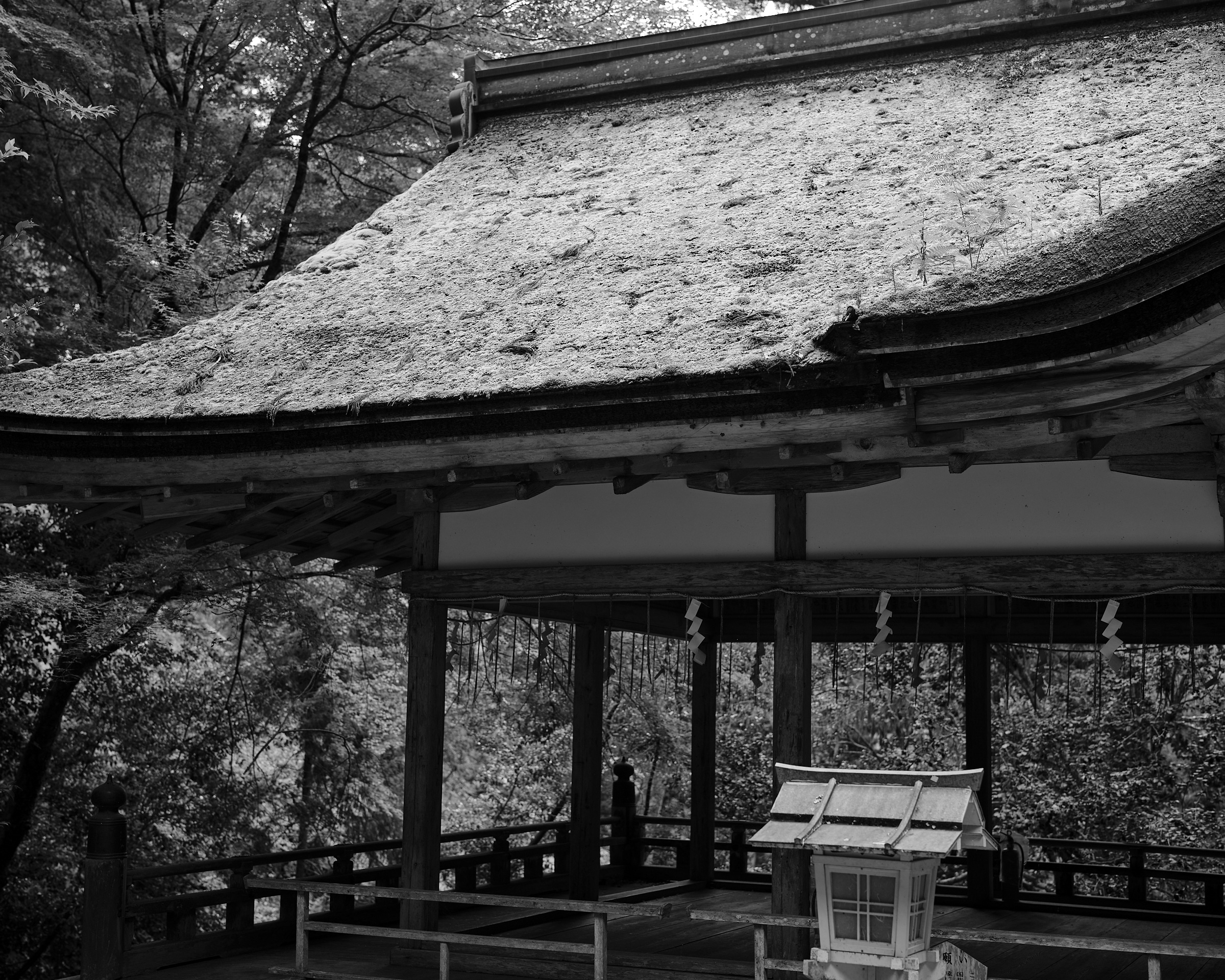
I came to the realization that I needed to focus entirely on continuing to develop my skill at traditional internal martial arts, rather than attempting to normalize my Japanese swordsmanship with existing official lines of practice. I have decided I am not willing to give up on my integrated path, so I will continue to train independently. I still practice the kata of Jikishinkage-ryū, but I draw a clear distinction between my own continued practice and the efforts of others who hold formal lineages. I maintain a personal practice, not a new line of transmission.
While I think I still attempt to cultivate the spirit of Shinkage-ryū in my kenpō, I am taking a more withdrawn approach to my study. I am reminded that the final level of practice of Jikishinkage-ryū, called marobashi or marubashi (
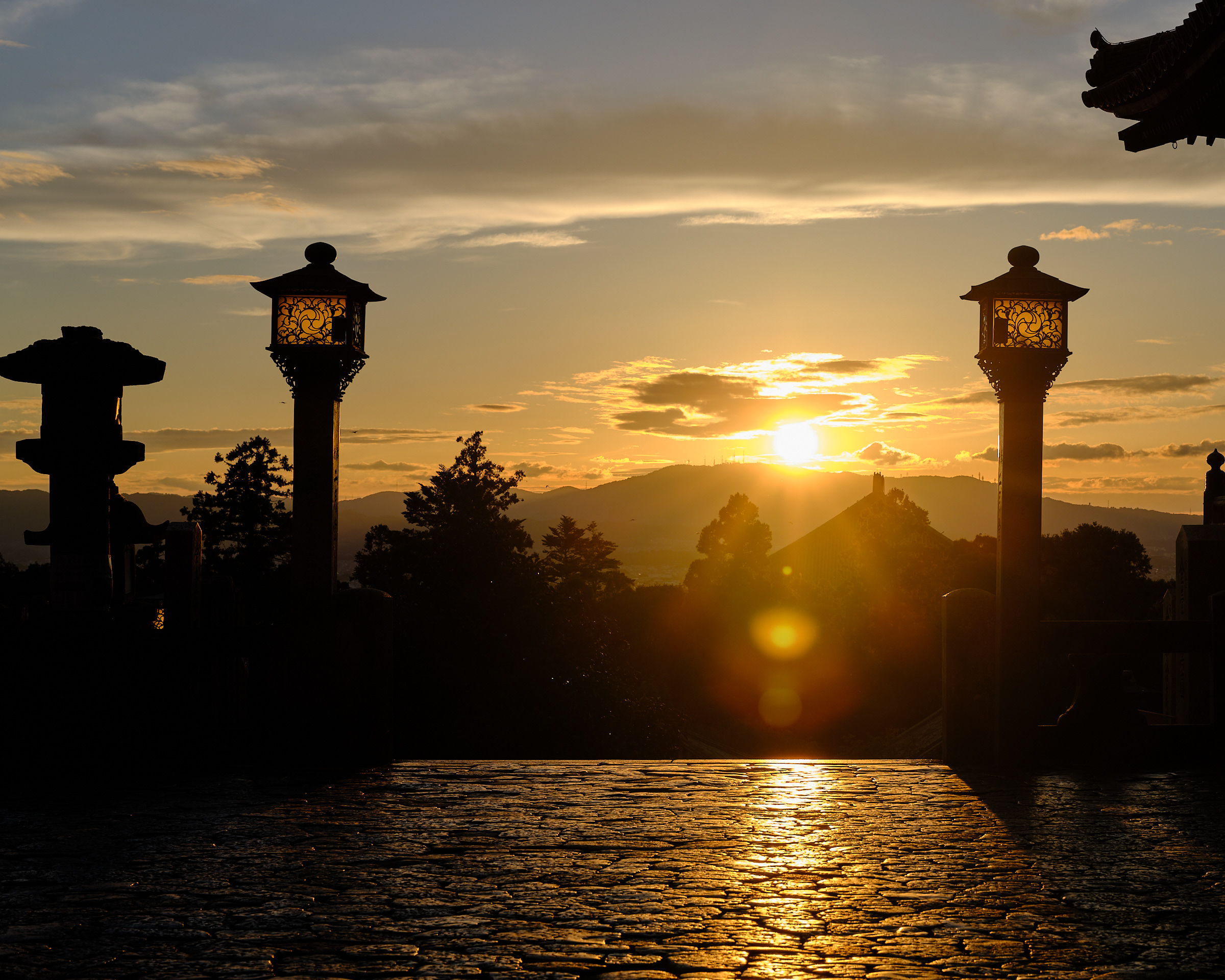
The phrase hyakuren jitoku (
Over time, I more strongly feel that each person needs to walk their own path and come to their own decisions about where and how best to train. Looking out from the veranda of the Nigatsu-do, above Todaiji in Nara, I came to the realization that I had completed the journey that started with Inner Dharma in Dewa twenty some odd years ago.
I want to thank the readers of this blog for their feedback and encouragement, and wish you all the best with your training.
End Notes
- My students continue formal Jikishinkage-ryū katageiko in the manner I taught them, which is representative of the practice maintained at the Hōbyōkan in the line of Namiki Yasushi and Itō Masayuki.