Discussing my study of Japanese swordsmanship in the context of internal martial arts principles and esoteric Buddhist practice. Reflections after making pilgrimage to Japan, the death of one of my teachers, and pulling together something lasting for the future.
Making Pilgrimage
I studied several approaches to classical Japanese swordsmanship before moving to Seattle in 2016. Chief among them was an unofficial line of Kashima-shinden Jikishinkage-ryū maintained at the Hōbyōkan following the teachings of Namiki Yasushi and Itō Masayuki.
Since that time I have continued traditional katageiko, conducted analyses of kata in a process called kuzushi and performed combative pressure testing called tameshi-ai. In doing this, my practice has become increasingly influenced by my continued study of internal martial arts. Time spent making pilgrimage to sacred sites in Japan has refined my thinking, to the point where I feel strongly my approach is something unique.
Visiting sacred places has been an important component of my
martial arts training over the years.
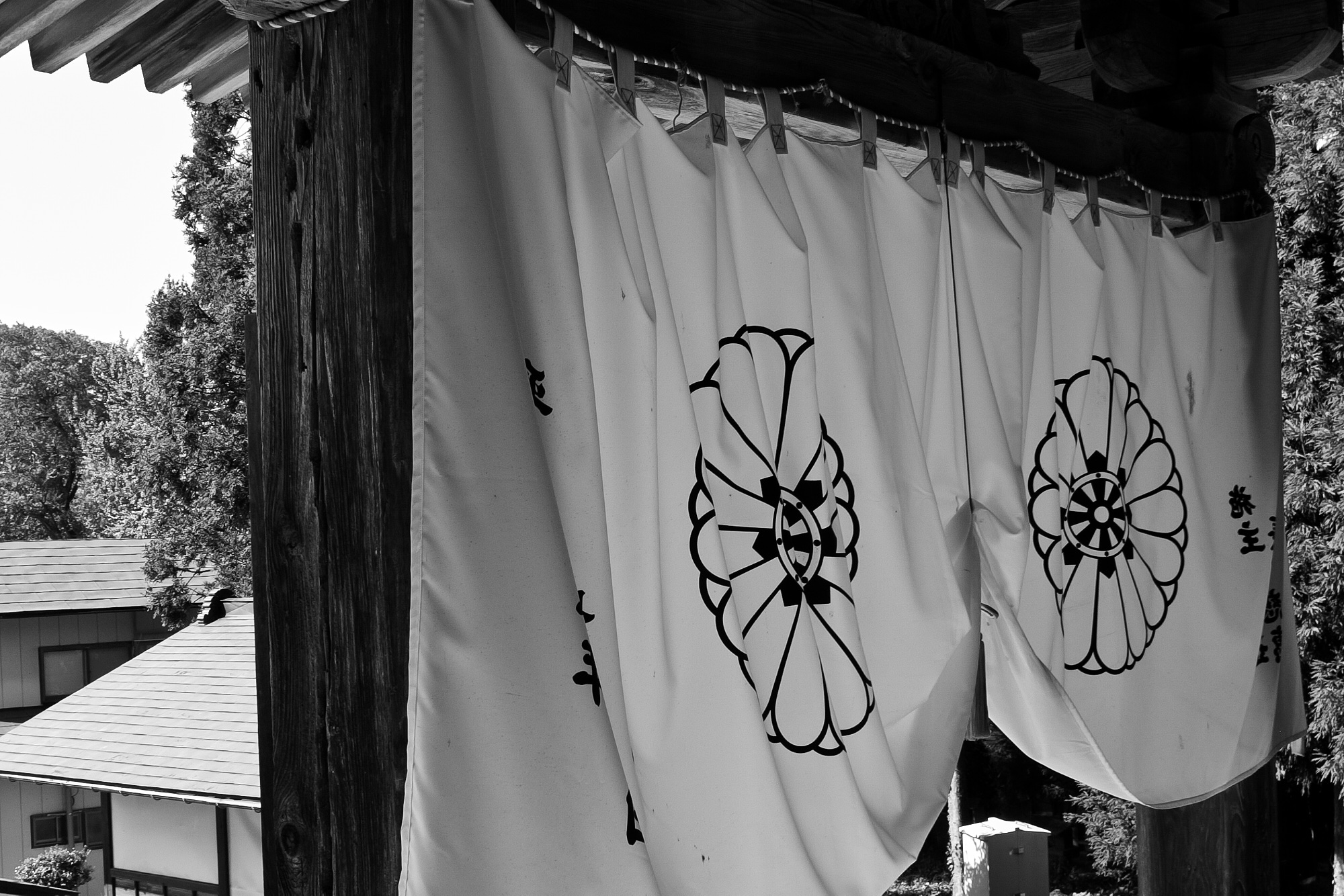
In 2005, while visiting the Gassan Dai Jinja (
One challenge I have faced over the last ten years is, having moved to Seattle, what exactly to preserve from my training. I've done my best to continue my internal martial arts training, and I wound up sharing some of my knowledge of kenjutsu with a small number of people. While I have had short correspondence with masters of Jikishinkage-ryū in Japan, I never succeeded in developing a strong enough social connection with any of them to approach them to learn more of the art than I had first been exposed to at the Hōbyōkan. I instead incorporated free-practice into my kenjutsu and attempted to bring the insights I had obtained through internal martial arts practice into the art. This made the barrier to joining an orthodox group higher.
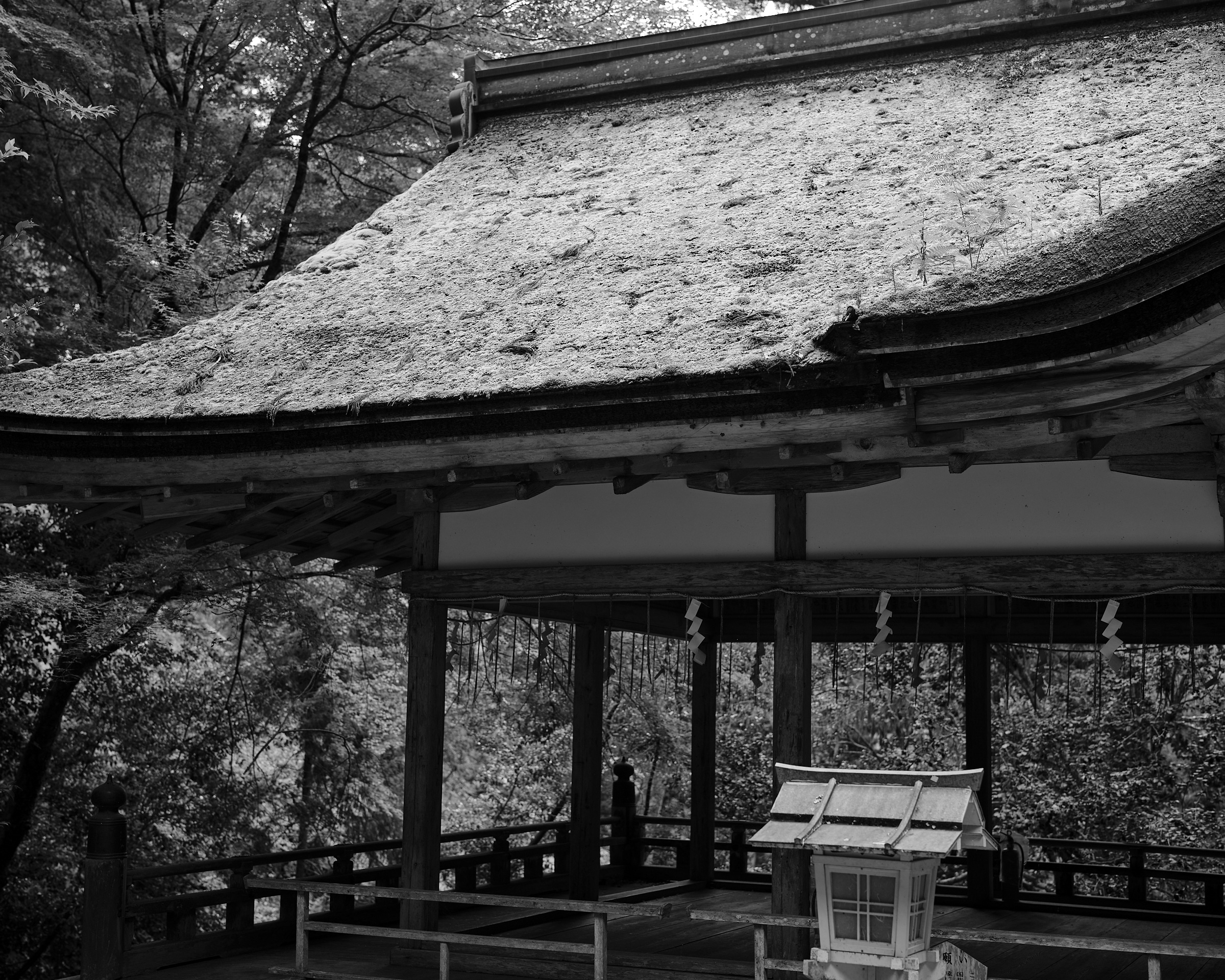
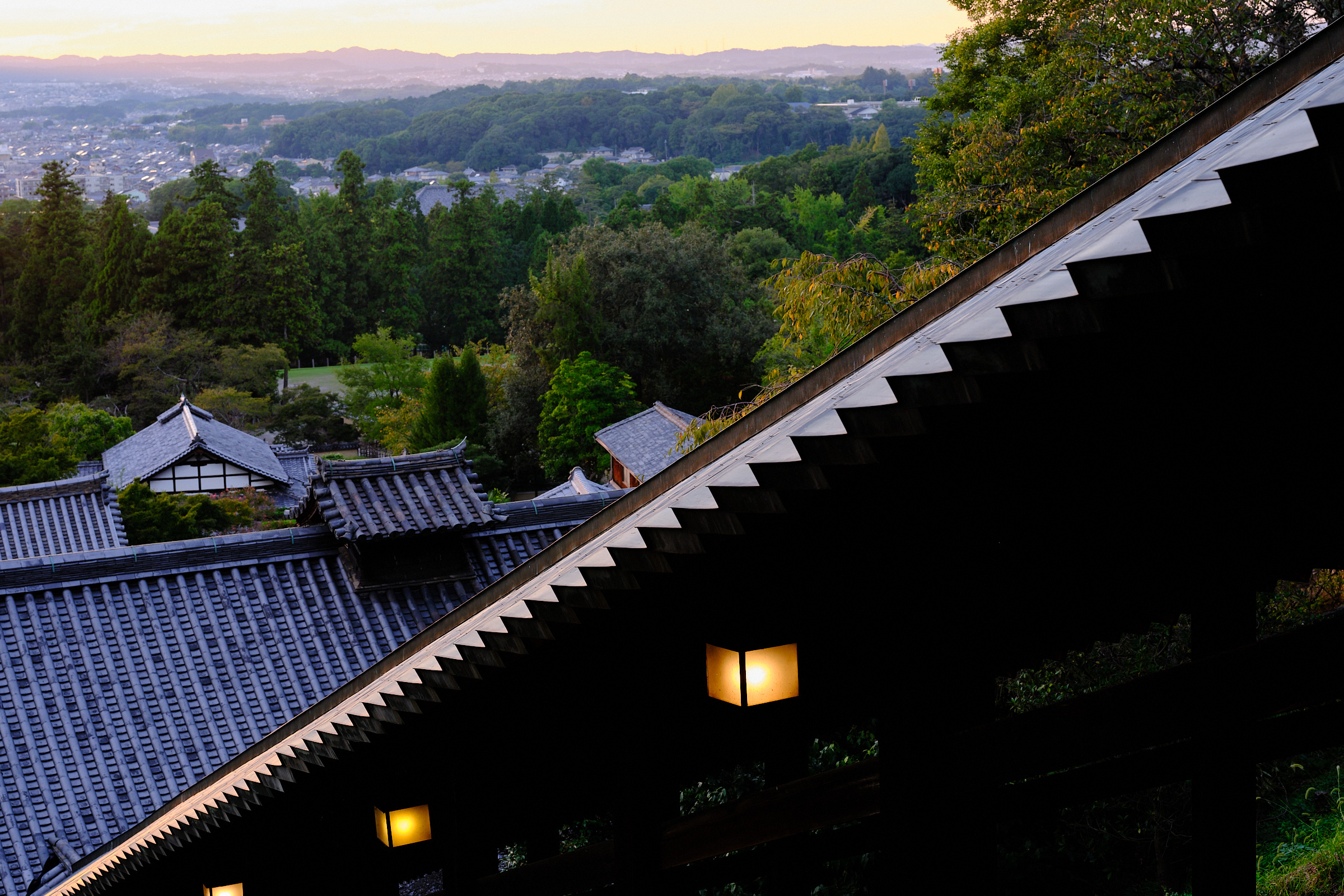
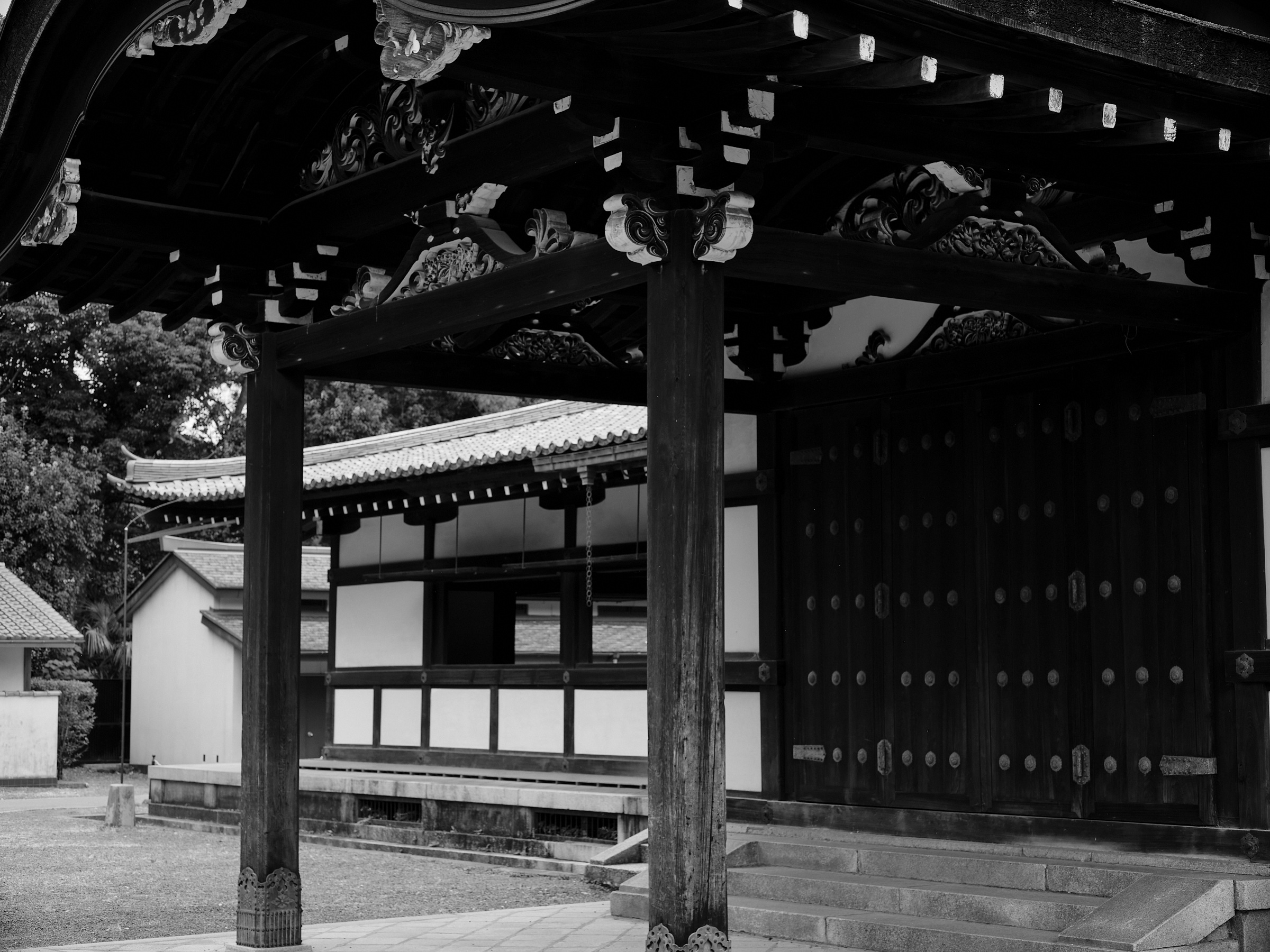
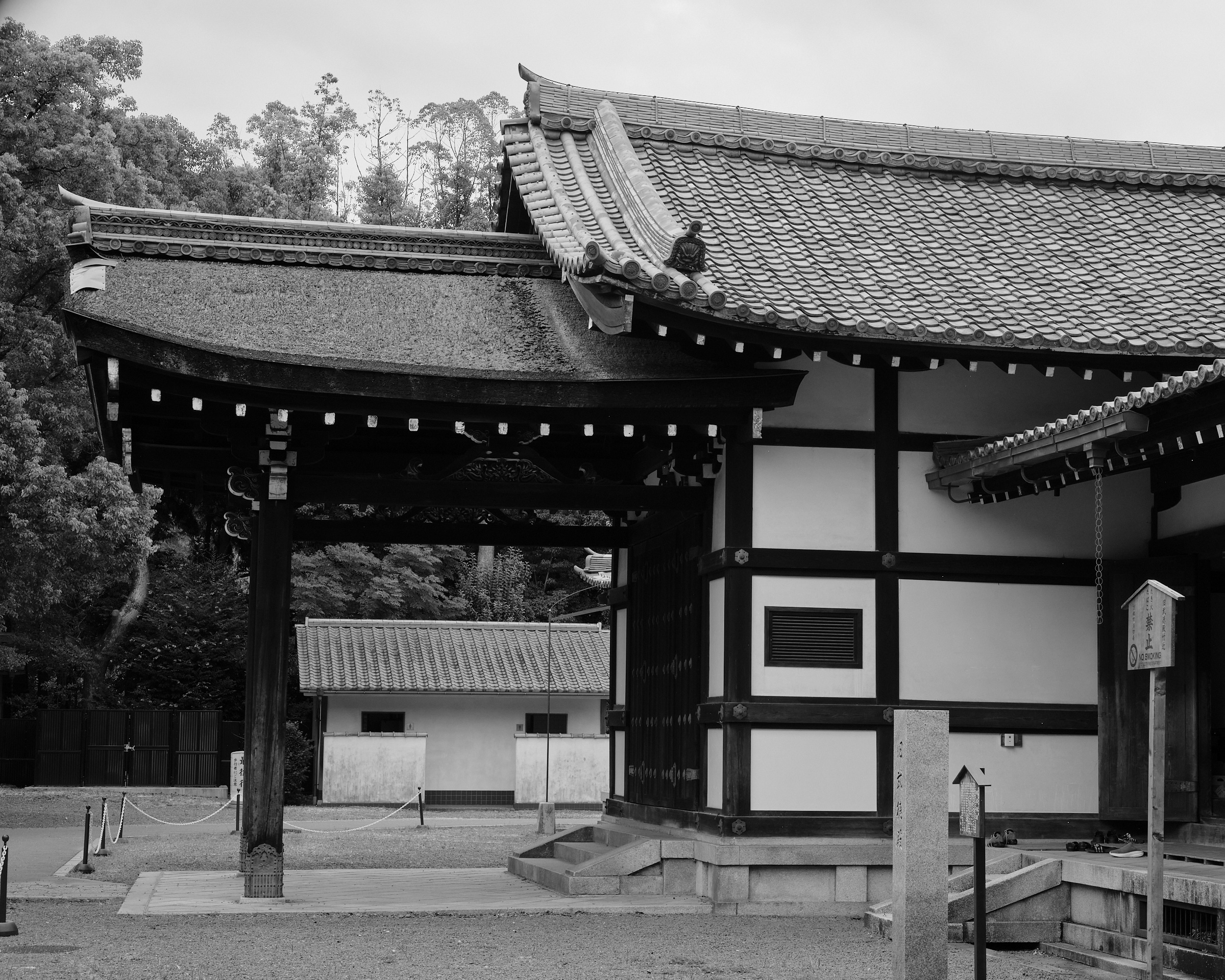
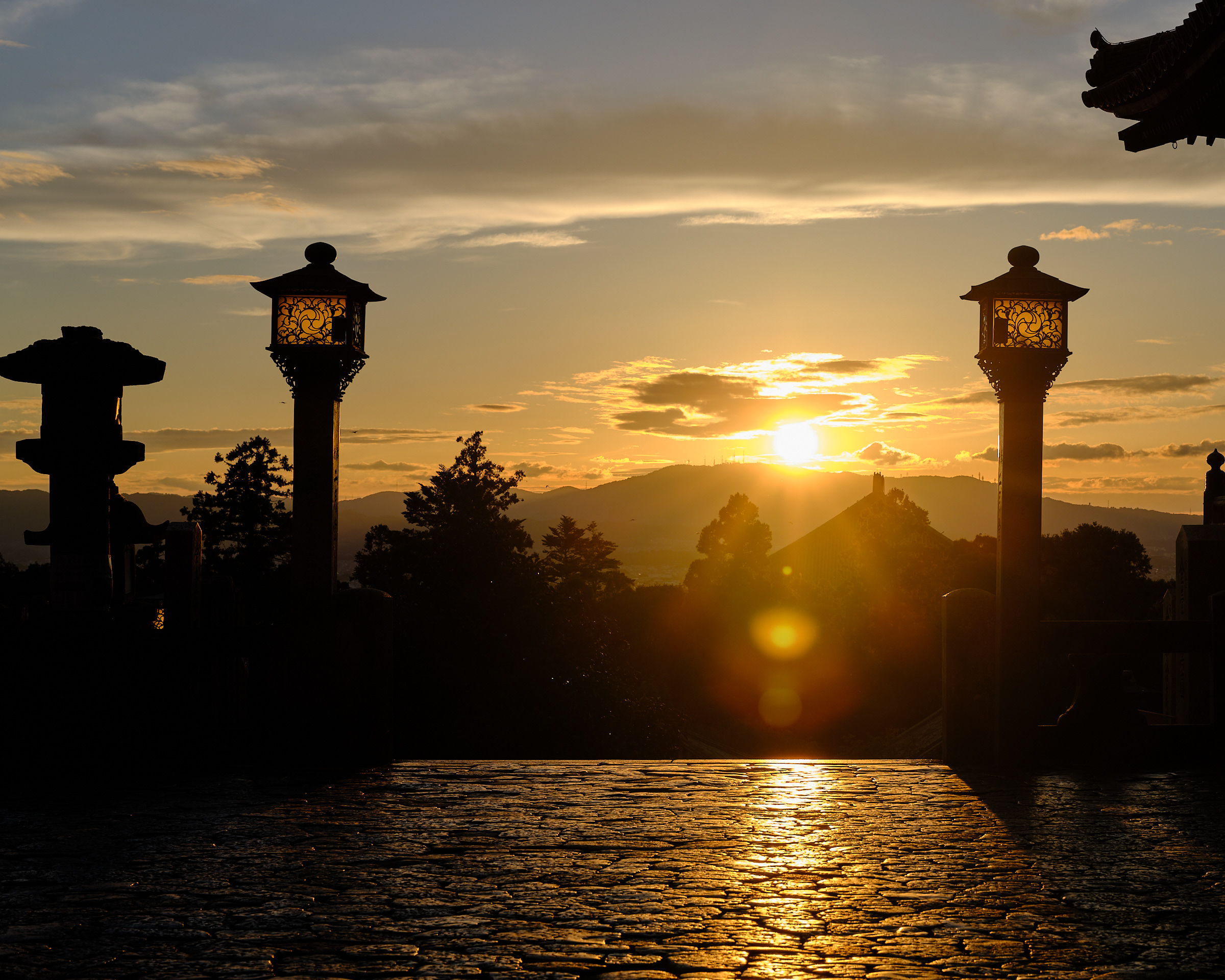
Almost twenty years later, I spent time visiting Kyoto and Nara, including the seat of Honzan-ha Shugendō, not far from the Kyoto Budōkan (the site of the Meiji-era Butokukan), the shrines and temples at Kuramadera associated with historical figures such as Yoshitsune and Kiichi Hogen and the Todaiji in Nara. Doing so, I thought deeply about my continued martial practice.
I considered my continued endeavors and came to the realization I needed to focus on continuing to develop my skill at traditional internal martial arts instead of attempting to normalize my Japanese swordsmanship, which had evolved since the pandemic to become increasingly influenced by the former, with existing official lines of practice.
Mindset
The defining aspect of my kenpō is the integration of internal martial arts
principles into my practice. I have decided I am not willing to give up on that path,
so continue to train independently.
I still practice the kata of Jikishinkage-ryū but I want to draw a clear distinction between my own continued practice
and the efforts of others who hold formal lineages of these and related arts.
I maintain a personal practice and not a new line
of transmission — I practice kenpō (
In my training, I emphasize Taoist aspects of the art, including complementarity (yin and yang) and five element theory and draw inspiration from esoteric Buddhism and Shugendō when I view my practice as a form of shugyō:
I have evolved my practice to constrain my expression of kiai to be more akin to the vocalizations found in internal martial arts: flowing from, or aligned with, a movement, rather than driving a movement.
I no longer forcefully coordinate breathing with each movement, but instead keep my breathing relaxed and steady and utilize sophisticated reverse breathing methods from Tàijíquán instead of the ibuki style of breathing often used during traditional aun kokyu.
Emphasis is placed on developing a connected body that integrates force with each action in an optimal manner while remaining relaxed and able to adapt suddenly when needed.
Curriculum
I begin with formal katageiko (form practice) that includes methods of walking, cutting,
breathing and foundational methods called Hōjō [
- Hassō Happa (
八相発破 ) - Ittō Ryōdan (
一刀両断 ) - Uten Satten (
右転左転 ) - Chōtan Ichimi (
長短一味 )
Once proficiency is developed with foundations,
an austere set of tactical forms called Tō-no-kata (
- Ryūbi (
龍尾 ) - Menkage (
面影 ) - Teppa (
鉄刃 ) - Matsukaze (
松風 ) - Hayafune (
早舟 ) - Kokushaku (
曲尺 ) - Enren (
圓連 )
Hōjō is practiced in a continuous fashion, modeled after the four seasons, using a heavy Japanese white oak bokken. Enren used to be the fifth kata in Hōjō, making one kata for each Taoist element (Wood, Fire, Metal, Water, and Earth), but was moved to the end of Tō-no-kata by the mid 18th century. Hōjō was likely arranged in its current form by Yamada Ippūsai, who also practiced in the Edo line of Yagyū Shinkage-ryū.
Tō-no-kata is said to have been developed by Ogasawara Genshinsai after his time spent teaching and training in Ming Dynasty China at the beginning of the Edo period — however, it has evolved since that time due to the efforts of Ippūsai and others.
Hōjō is directly related to the Shinkage-ryū practice called Sangakuen [
We then conduct pressure testing called tameshi-ai and introduce methods of the small sword called kodachi. Those methods serve as a point of departure for armored grappling methods called kogusoku. The formal kodachi kata are:
- Fusei (
風勢 ) - Suisei (
水勢 ) - Kissaki Gaeshi (
切先返 ) - Tsuba Tori (
鍔取 ) - Toppi Oppi (
突非押非 ) - Enkai (
圓快 )
Older versions of the foundational practice are later examined with steel swords called habiki-tō. Over time, the focus of practice increasingly becomes on cultivating shugyō rather than collecting additional techniques.
While I think I still attempt to cultivate the spirit
of Shinkage-ryū in my kenpō, I am taking
a more withdrawn approach to my study. I am
reminded that the final level of practice of
Jikishinkage-ryū, called marobashi or marubashi (
The phrase hyakuren jitoku (
2025 Updates
During the summer of 2025, my kenjutsu instructor suddenly died. Not only did I not have my own connection to Japan, I lost the one resource I could go back and ask questions of and get feedback from within Jikishinkage-ryū.
As part of sorting out my thoughts on kenjutsu after that tragic event, I began collating my notes and diving into the historical documents and Japanese books I had access to. I wanted to write a summary of my understanding of the art — that understanding eventually became a small book:
The Truth of the Calm Spirit: The Practice of Shinkage-ryū Heihō as Taoist Internal Alchemy, M. Raugas, 2025.
In it, you can get a glimpse of my view of what was at one point in time a quite deep martial art that had great influence. This is a fitting place to pause and take stock of my own efforts and progress.
My hope is that work might serve as a point of departure that inspires talented individuals to learn more of the art than I have been able to. Jikishinkage-ryū, as I discovered over time, was clearly a deep and rich body of teachings. Its echoes reverberate in several arts, both old and new.
End Notes
- My students continue formal Jikishinkage-ryū katageiko in the manner I taught them, which is representative of the practice maintained at the Hōbyōkan in the line of Namiki Yasushi and Itō Masayuki.